Category
Articles on anxiety, depression, trauma, dual diagnosis, and the mental-health side of addiction recovery.
100 articles
Resilience and post-traumatic growth are both part of recovery, yet they work differently. Learn how each one plays a role in healing from addiction.
When words were no longer enough, a counselor picked up his guitar. A powerful story about music and addiction recovery.
Five gentle mental reframes for the hardest thoughts in early recovery, from "I should be further along" to "I have to figure this out alone."
Rebound anxiety after Xanax is real. Learn why benzodiazepines like Xanax can make anxiety worse over time, the risks of mixing with alcohol, and how to detox safely.
Shame, stigma, and silence keep most people from ever reaching out for addiction help. What the barriers look like, and what changes the conversation.

Mental Health Awareness Month is one month of the year. Seven habits to carry through all twelve, especially when recovery is part of the picture.
Why meth hooks the brain so fast, why willpower alone rarely works, and what a real meth recovery timeline looks like.
Five plain-language signs of alcohol use disorder and what to do next. Cutting back feeling impossible is not a personality trait. It's a sign.
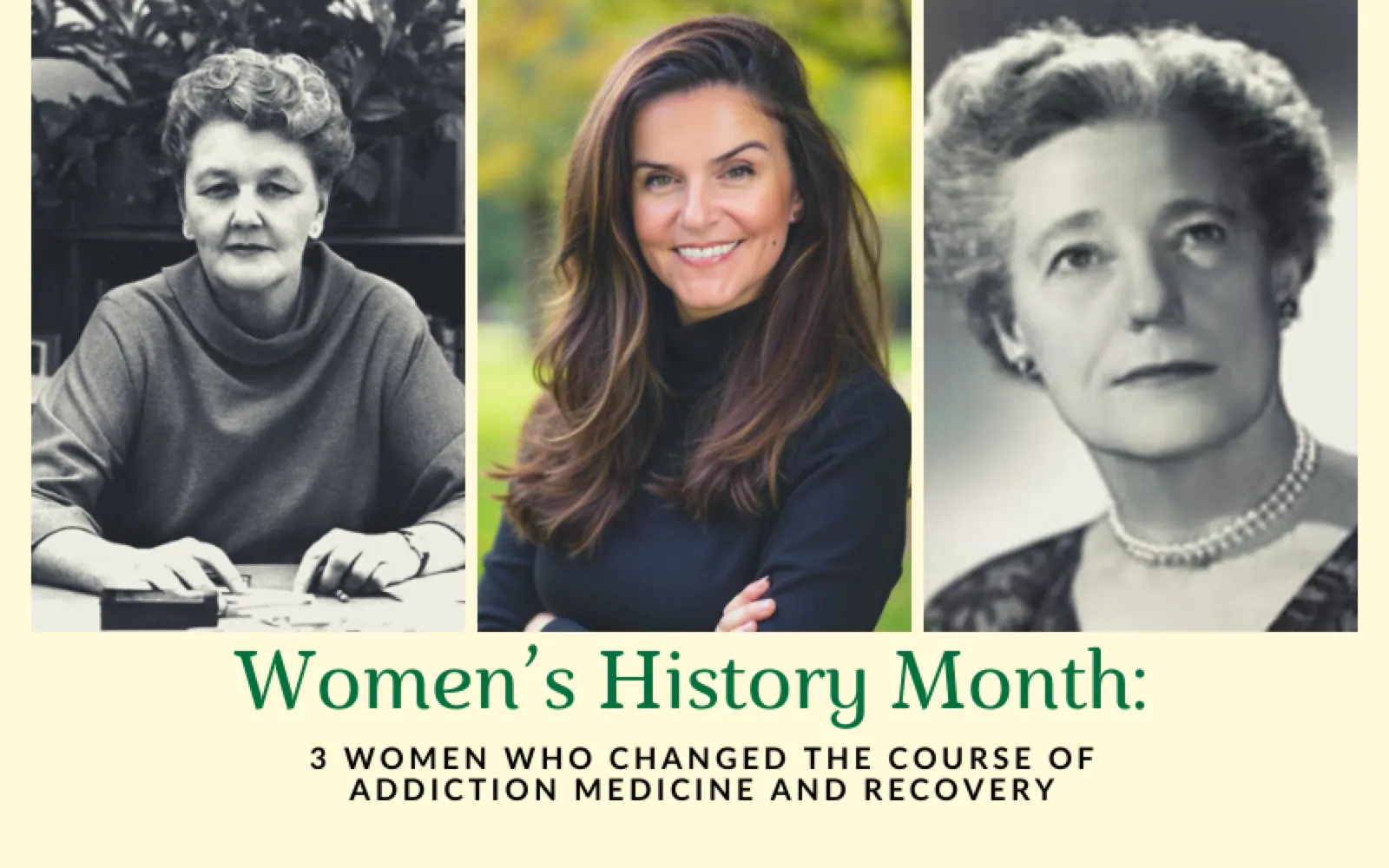
Marty Mann, Dr. Ruth Fox, and Jessica Hulsey. Three women whose work reshaped how the world treats and talks about addiction.
Dr. Jason Powers on three of the most damaging myths about addiction, and what the research actually shows about who recovers and how.
The hardest relationship to rebuild in recovery is often the one with yourself. How self-trust is built back, one consistent day at a time.
Dr. Robert Ulrich on the 2026 dietary guideline updates around alcohol, what the research actually shows, and why one-size-fits-all rarely fits anyone.
What Dry January teaches you about your relationship with alcohol, the good news and the harder truths, and what to do with the insight.
Not every breakthrough is a burning bush. The quiet "aha" moments in recovery are often the ones that change everything.
Julie DeNofa on the curiosity it takes to ask the alcohol question. Physical and emotional shifts from a 30-day reset, and when to ask for support.
Dr. Jason Powers on protecting your peace, planning your exit, and giving yourself permission to say no through the holiday season.
Three honest reminders about why boundaries matter through the holidays, and how the right "no" makes room for the right "yes."
Why combining benzodiazepines and alcohol is far more dangerous than people realize, and what to watch for in yourself or a loved one.
The walls we build to protect us in addiction are the same ones that keep us stuck. Why asking for help is courage, not weakness.
Sobriety is just the beginning. Learn what emotional sobriety means, how the brain heals in long-term recovery, and why integrity matters more than time.
When someone you love is in active addiction, lies become part of the dynamic. Learn how to respond with boundaries, compassion, and self-care that protects you both.
Spirituality in recovery is not always about religion. Learn how connection, identity, and values shape lasting recovery.
National Recovery Month has spent 36 years turning silence into community. Why visibility still matters in 2025.
Musician Skyler Ray on rebuilding life after addiction, using art to inspire recovery, and why small steps matter most.
Addiction feeds on isolation; healing happens in connection. Why hearing your own story told back to you changes everything.
Recovery means leaving old environments behind and building a new circle. How to find people who get it, and why your story matters.
Addiction is a family disease. Why interventions begin and end with the family, and how connection breaks generational patterns.
Relapse is part of how chronic conditions are managed. Why shame keeps people stuck, and how to come back stronger.
Recovery shifts you from surviving to flourishing. Small daily choices that turn intention into a real life.
Why letting go of the perfect upward trajectory makes recovery sustainable, not weaker. Cravings, setbacks, and second chances.
Use a mid year check in to reflect on your recovery, reconnect with what is working, and recommit to your goals. Practical steps for the second half of the year.
Collegiate recovery programs give college students safe community, sober housing, and peer support. Why they matter and how leaders like John Shiflet are building them.
A sober 4th of July is possible and worth celebrating. Four practical tips to plan your day, lean on support, navigate triggers, and build new traditions.
Mixing Adderall and Xanax is dangerous. Learn the red flags of stimulant misuse, why ADHD self-medication leads here, and how dual diagnosis treatment helps.
Recovery was never meant to be a solo effort. Brett Bagley of The Phoenix on movement, allyship, and why we heal stronger when we heal together.
The MEEF Twins on Men's Health Month: why mental fitness matters as much as physical, how 1% better daily creates lasting change, and fitness as a recovery tool.
Grif Palmer on rediscovering yourself in recovery: how humility, presence, and reconnecting mind, body, and spirit help you find who you really are.
Motivation runs out. These seven practical strategies help you keep moving in recovery when the easy version of
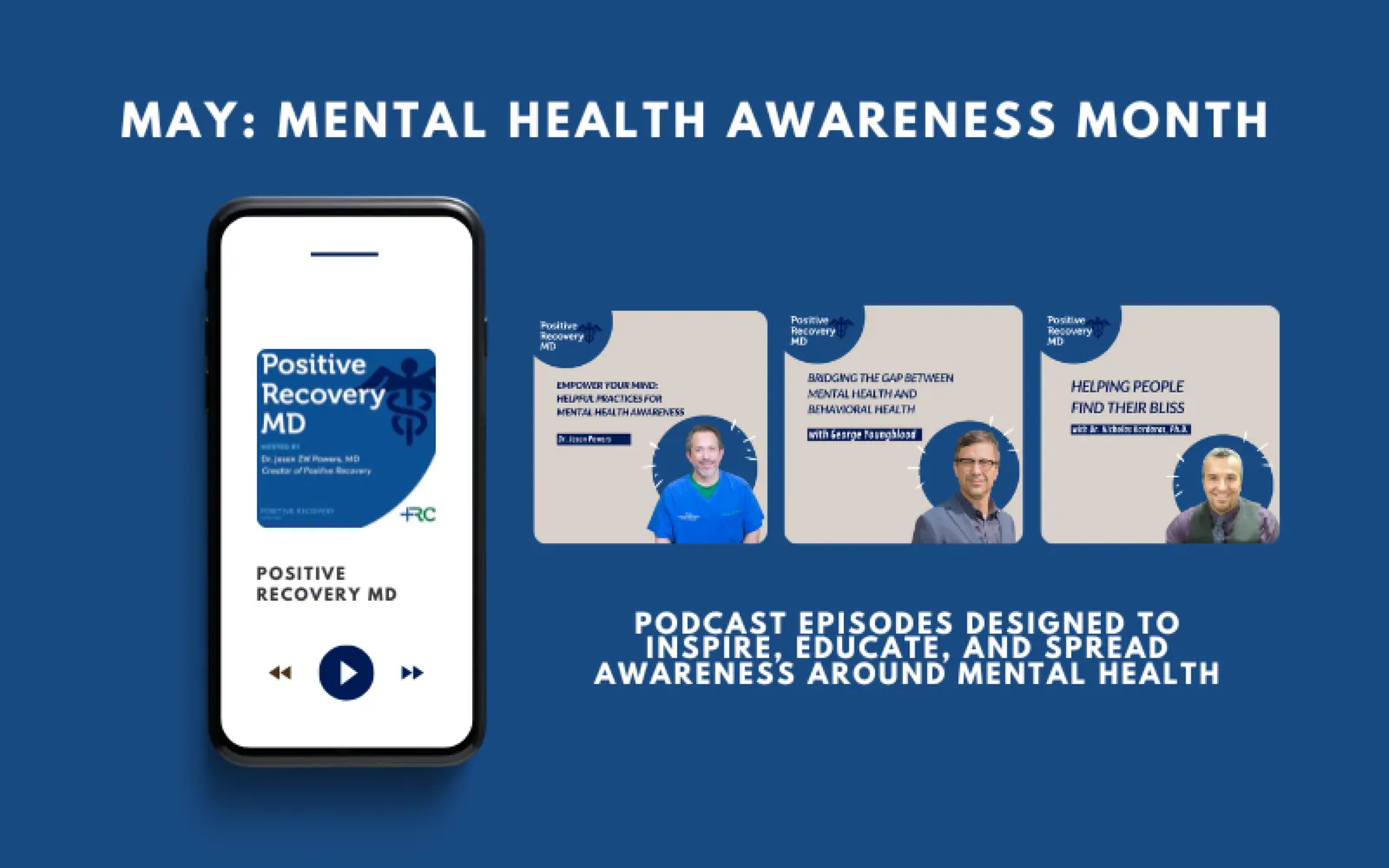
Three Positive Recovery MD podcast episodes for Mental Health Awareness Month: practical tools, integrated care, and rediscovering joy in recovery.
Post-traumatic growth is real. How a strength-based recovery model helps clients turn adversity into purpose, deeper relationships, and a fuller life.
Mental Health Awareness: why emotional wellness is central to long-term recovery, how co-occurring disorders are treated, and why reducing stigma changes lives.
Tom Dodson on the kind of connections that hold recovery together: vulnerability as courage, belonging over isolation, and growth that lasts past discharge.
Five recovery quotes worth keeping somewhere visible: from Martin Luther King Jr. to J.K. Rowling. Short reminders for the days that feel longer than they should.
A reflection on the small moments that recovery makes visible: positive mindset, presence, real relationships, and what it means to feel seen and to see others.
Mindfulness in early sobriety creates space between you and your thoughts. Tools, common misconceptions, and how PRC builds mindful practice into treatment.
Shame is a relapse driver. Self forgiveness in sobriety is not letting yourself off the hook, it is choosing to keep moving. Five ways to practice it.
Addiction lies about what you deserve. A reminder that self-worth in recovery is not earned, and how to start peeling back the shame.
Healthy conflict is a recovery skill. Three practical tips for working through hard conversations without falling into old patterns.
Three quotes that reframe self-compassion as a recovery skill, not a soft idea. How to actually practice it day to day.
Harvard's 80-year study found relationships are the strongest predictor of health and happiness. What that means for recovery and how to build it.
Five practical ways to support mental well-being in recovery. Built for World Mental Health Day but useful any day of the year.
Negativity bias is the brain over-weighing the negative. How it affects recovery, and how to retrain the brain toward a healthier perspective.
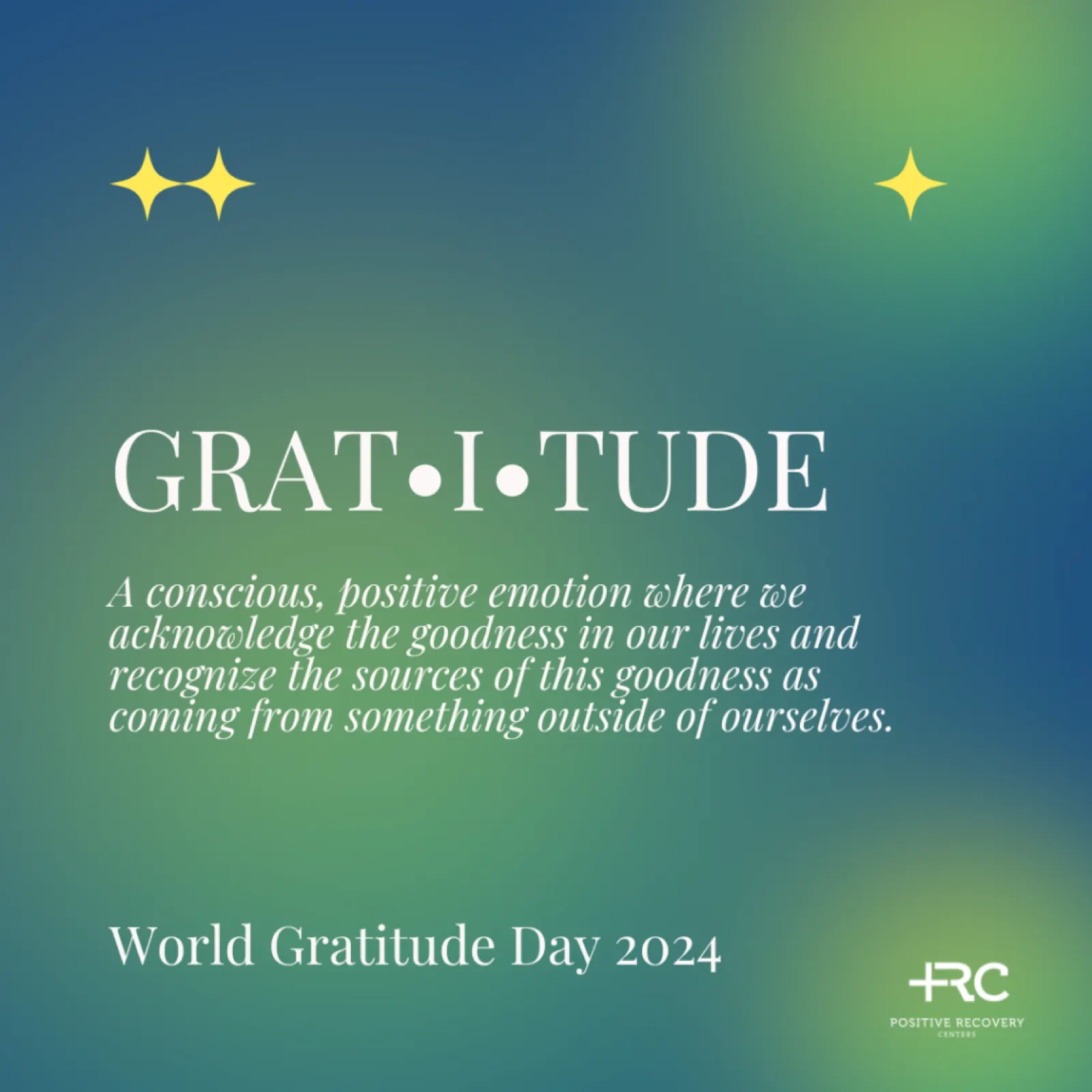
World Gratitude Day is September 21st. Here are five meaningful ways to celebrate gratitude, from journaling to giving back, and the mental health benefits behind each one.
Knowing when you are ready to live independently after addiction recovery is personal. Here are the signs that suggest you are ready, plus why sober living can be the bridge.
Long-term recovery requires a personalized toolkit. Here are the sobriety tools that work: 12-step fellowships, spirituality, meditation, exercise, and professional therapy.
College drinking culture is normalized, but the long-term consequences are real. Statistics, marketing pressure, and how parents and colleges can address the underlying problem.
After treatment ends, independent living begins. Sleep, nutrition, character strengths, purpose, and relationships are the five pillars that keep recovery steady.
Recovery is not about flawless execution. It is about consistent forward motion. Why
Life after addiction is a complete lifestyle shift. How to embrace acceptance, turn pain into purpose, build community, and set goals for a meaningful future in recovery.
Alcohol disrupts sleep, weakens immunity, and clouds mental clarity. A look at how alcohol affects the body and four principles of longevity that thrive without it.
Living sober transforms physical health, mental clarity, and spiritual fulfillment. A look at the three biggest benefits of sustained sobriety and how each one builds on the last.
15 positive affirmations grounded in positive psychology to support addiction recovery. Plus a guide for crafting your own personalized affirmations.
Pausing is a skill. A guide to building daily reflection practice that strengthens resilience, manages stress, and supports sustained recovery.
Gastric bypass surgery changes how the body processes alcohol and increases addiction transfer risk. What every bariatric patient should know about alcohol after surgery.
Sobriety reshapes physical health, mental clarity, relationships, finances, and personal growth. Five tangible benefits that make recovery worth the work.
Xanax provides fast anxiety relief, but rebound anxiety, dependence, and nervous system disruption are real risks. Why benzodiazepines can make anxiety worse over time.
Men's Mental Health Month spotlights short-term pleasure vs. long-term recovery, why men struggle to show emotion, and the healing power of community and nature.
Nine key signs of alcohol addiction, the consequences of unchecked drinking, and a self-assessment to help you decide whether to seek professional help.
Rebuilding life after addiction starts with five strategies: professional help, a support network, healthy habits, SMART goals, and breaking the shame cycle around relapse.
Mindfulness and meditation reshape the brain, support recovery, and help treat the co-occurring mental illness that often drives substance use disorders.
Five mental health reminders for sustained recovery: focus on what you can control, surround yourself with the right people, be gentle, accept mistakes, and take breaks.
Cravings are waves to watch, not commands to follow. A practical guide to managing alcohol cravings with mindfulness, healthy diversions, and a strong support system.
Resilience in recovery is built through relationships. A conversation with Dr. Robert Hilliker on self-reflection, post-traumatic growth, and the power of community.
Relapse often happens during good times. Why complacency, unresolved issues, and positive stress can all trigger old coping mechanisms, and how to plan for it.
Self-love is the foundation of recovery. Three practical ways to extend self-love today: give yourself grace, engage in positive self-talk, and celebrate your progress.
Love is the antidote to addiction. A Positive Recovery MD conversation on self-worth, asking for love, and why connection breaks the shame cycle.
Joy in recovery comes from small daily moments. Practical tools, character strengths work, and progress-over-perfection thinking to find joy in sobriety.
Andrew Soren on positive psychology, gratitude, the W.W.W. (What Went Well) practice, and choosing to show up even on the hard days.
Inpatient vs outpatient addiction treatment explained by the clinical team at Positive Recovery Centers. When each fits, what to expect, and how PRC builds them.
Holistic therapy treats the whole person, not just symptoms. PRC's clinical team on autonomy, self-determination, hope, and why this approach works in recovery.
From detox to outpatient, therapy is integral to every stage of recovery. PRC's clinical team on individual, group, and family therapy in addiction treatment.
Aftercare is the year of continuing support that comes after detox or residential treatment. PRC's clinical team on why aftercare is built into every plan.
PTSD is not the end of the story. Post-traumatic growth turns pain into strength, forgiveness, and new perspective. From the clinical team at Positive Recovery.
Mental Health Awareness Month and addiction recovery. PRC on destigmatizing mental health, the HALT method, and breaking the cycle of self-medication.

Mindfulness, physical wellness, and kindness as daily habits in recovery. Practical tools from Positive Recovery Centers for protecting your sobriety.
Seasonal Affective Disorder, spring renewal, and recovery. How longer days, sunshine, and outdoor community support sobriety.
Practicing self-love, loving the people closest to you, and extending kindness to strangers. A look at love in recovery from Positive Recovery Centers.
Forgiveness, ownership, and healthy boundaries in recovery. A Positive Recovery MD conversation with Joseph Gorordo on releasing guilt and shame.
When we recover out loud, we speak life to those suffering in silence. Kristin Landrum on freedom, ownership, and giving others permission to choose recovery.
Inner child work in recovery. A Positive Recovery MD conversation with Heather Ogburn Stokes on grief, joy, and healing your earliest self.
Mental, social, and physical wellness during recovery. A Positive Recovery MD conversation with George Youngblood on bridging mental and behavioral health.
Positive psychology focuses on strengths instead of weaknesses. Learn how this approach helps people in recovery build meaning, purpose, and lasting change.
Recovery restores agency, healing, and connection. Learn how addiction recovery gives people a real second chance at the life they want.

Yoga supports sobriety by calming the mind, restoring the body, and replenishing the soul. Learn three transformative benefits of yoga in recovery.
Recovery is built in small daily steps. Learn how acknowledging the challenge, finding the root cause, and seeking the big picture move you forward.
Resilience can be learned. Six practical strategies for building a stronger response to stress and life's hardest moments, especially in recovery.
Spring is a season of renewal. Three practical ways to lean into recovery: chase the sunlight, find creative outlets, and join a support community.
Is addiction genetic or environmental? Both play a role. Learn how developmental age, co-occurring mental illness, and family dynamics shape addiction risk.
Post-pandemic re-entry anxiety and early recovery share a lot in common. Three coping strategies that apply to both: own your feelings, build skills, lean on loved ones.

Substances are often credited with fueling creativity. The truth runs the other way: addiction shrinks the world. How recovery rebuilds the room to create.
A look at how public conversations about addiction shifted from punishment to treatment, and why that shift matters for everyone touched by substance use.
A look at marijuana legalization through the eyes of a former user turned addiction physician. Health effects, gateway concerns, and the case for caution.