Articles tagged Alcohol Recovery

The Stigma Around Alcoholism: Why Addiction Deserves Treatment
The stigma around alcoholism leaves many individuals navigating shame and fear. Yet, through compassion and understanding, recovery is possible.

Are Gas Stations the Original Drug Dealers? Kratom, Alcohol, and the Addictions Nobody Warned You About
From cigarettes and cheap beer to ephedra pills and kratom shots, gas stations have quietly sold addictive substances for decades. What that means for recovery.

Why Am I More Anxious After Xanax? What You Need to Know About Xanax Dependence
Rebound anxiety after Xanax is real. Learn why benzodiazepines like Xanax can make anxiety worse over time, the risks of mixing with alcohol, and how to detox safely.
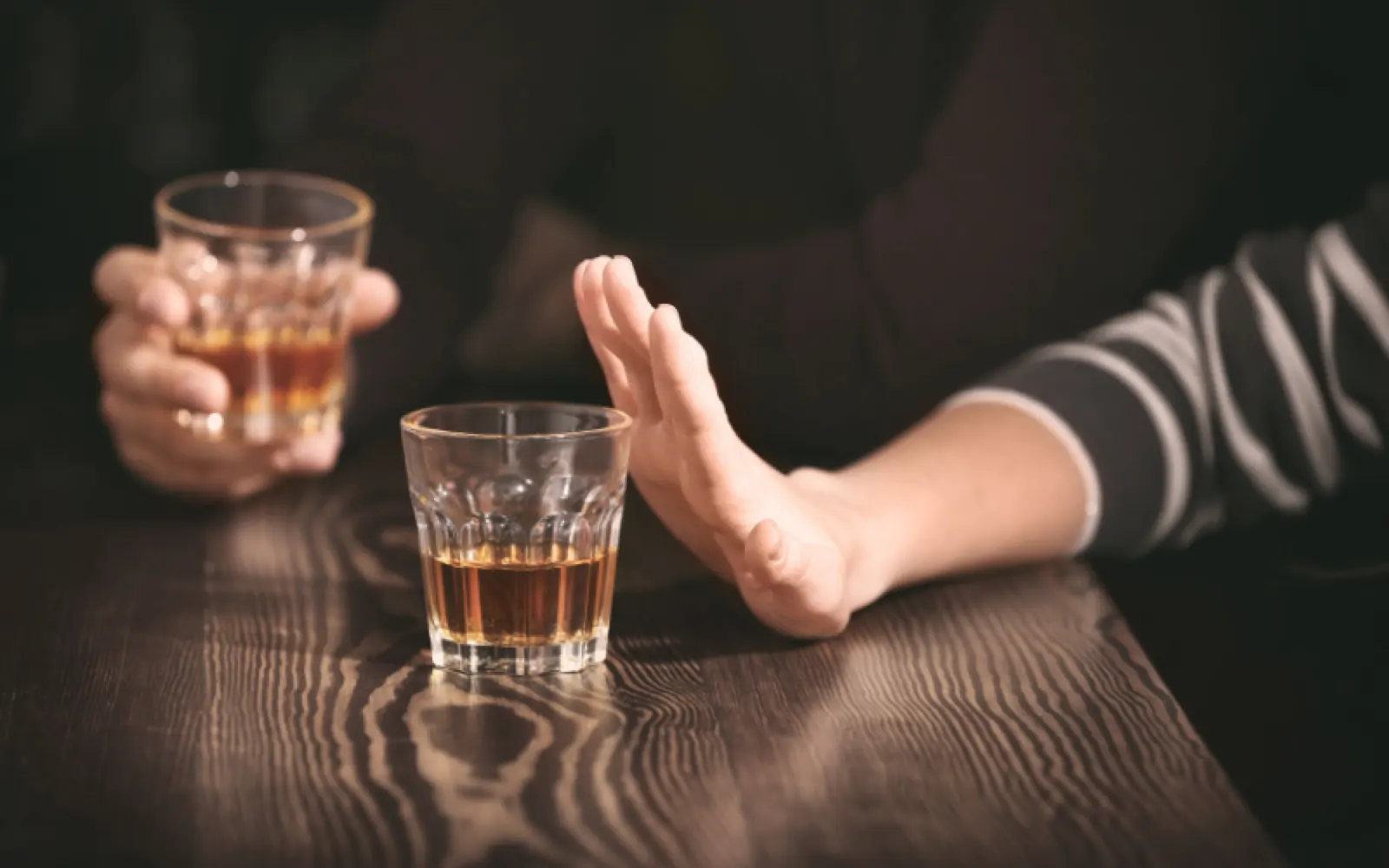
What Happens During Alcohol Detox? 3 Things You Should Know
What alcohol withdrawal actually feels like, why DTs are dangerous, and why medical supervision is the right call for the first 72 hours.
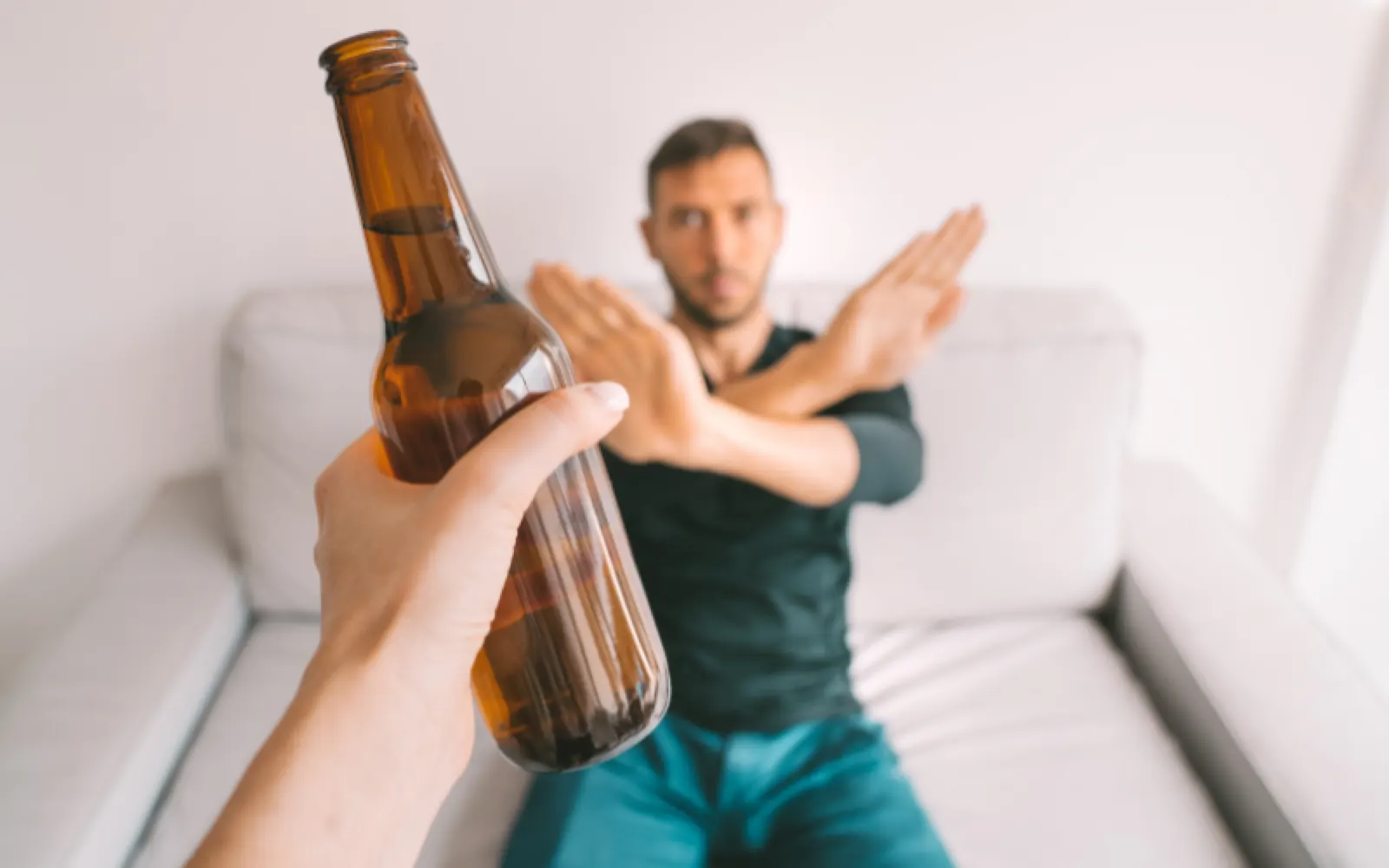
Alcohol Awareness Month: 5 Signs It's Time to Seek Help for Alcohol Use Disorder
Five plain-language signs of alcohol use disorder and what to do next. Cutting back feeling impossible is not a personality trait. It's a sign.
As Alcohol Guidelines Change, How Should We Think About Alcohol Use?
Dr. Robert Ulrich on the 2026 dietary guideline updates around alcohol, what the research actually shows, and why one-size-fits-all rarely fits anyone.

3 Positive Things You've Noticed After Dry January (and 3 Negative Things You Wish You Hadn't)
What Dry January teaches you about your relationship with alcohol, the good news and the harder truths, and what to do with the insight.

30 Days Alcohol-Free: How a One-Month Reset Can Transform Your Year
Julie DeNofa on the curiosity it takes to ask the alcohol question. Physical and emotional shifts from a 30-day reset, and when to ask for support.

The Dangers of Mixing Benzos and Alcohol
Why combining benzodiazepines and alcohol is far more dangerous than people realize, and what to watch for in yourself or a loved one.

Alcoholism in the Workplace: What Supervisors Can Do to Help
Dr. Jason Powers on spotting alcoholism at work, why denial is the standard barrier, and how to start the conversation without crossing a line.

Why Relapse Doesn't Mean Failure
Relapse is part of how chronic conditions are managed. Why shame keeps people stuck, and how to come back stronger.

Staying Sober at Social Events: 3 Key Strategies
Three practical strategies for protecting your recovery at parties, weddings, and any event where alcohol is present.

Celebrating a Sober 4th of July: 4 Helpful Tips for a Substance-Free Holiday
A sober 4th of July is possible and worth celebrating. Four practical tips to plan your day, lean on support, navigate triggers, and build new traditions.
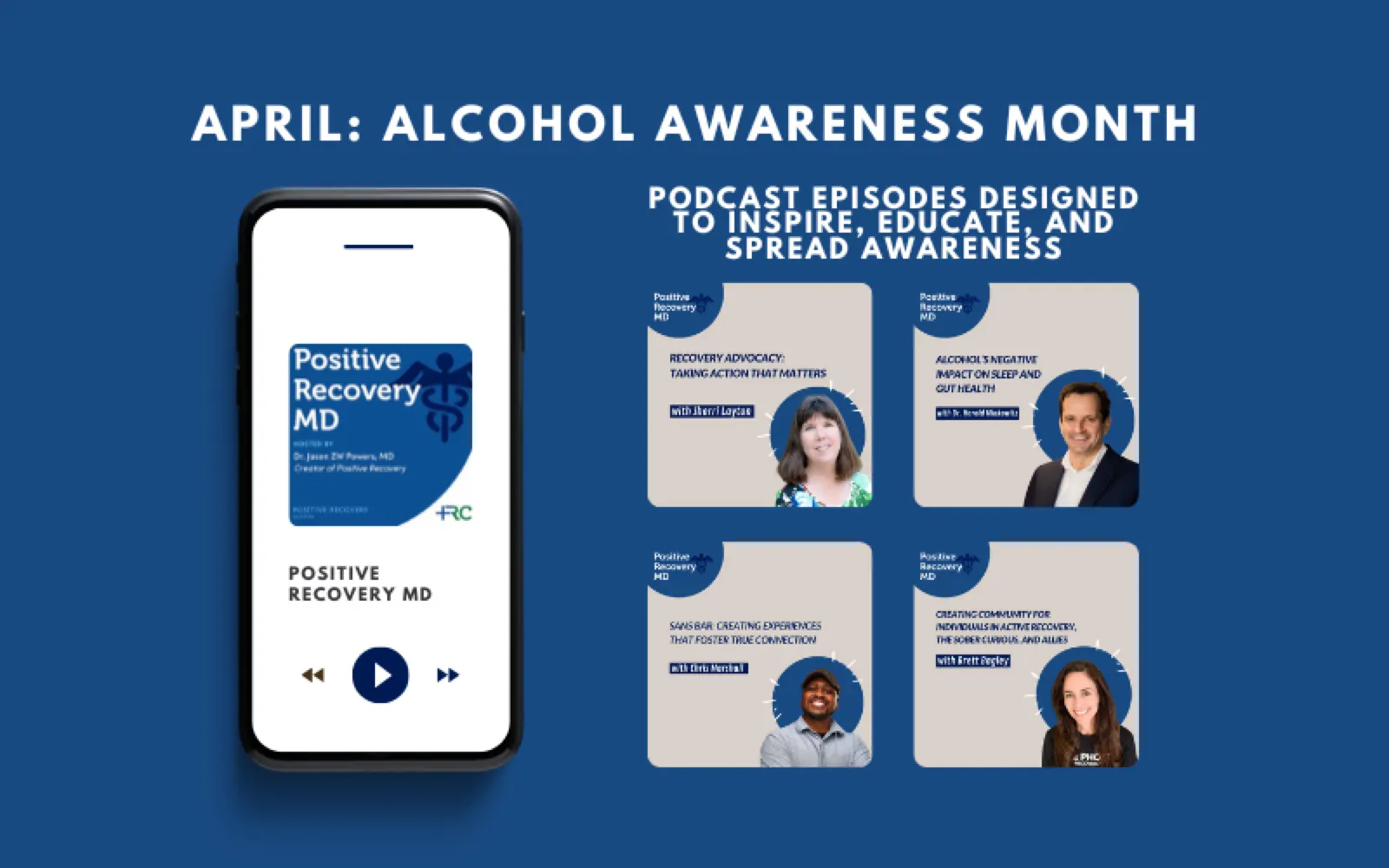
4 MUST-LISTEN Podcast Episodes to Support Alcohol Awareness Month
Four Positive Recovery MD podcast episodes for Alcohol Awareness Month: advocacy, sober social spaces, alcohol's effects on sleep and gut health, and community.

The Hidden Dangers of College Drinking Culture
College drinking culture is normalized, but the long-term consequences are real. Statistics, marketing pressure, and how parents and colleges can address the underlying problem.

Understanding the Negative Effects of Alcohol
Alcohol disrupts sleep, weakens immunity, and clouds mental clarity. A look at how alcohol affects the body and four principles of longevity that thrive without it.

The Impact of Alcohol After Bariatric Surgery: A Comprehensive Guide
Gastric bypass surgery changes how the body processes alcohol and increases addiction transfer risk. What every bariatric patient should know about alcohol after surgery.
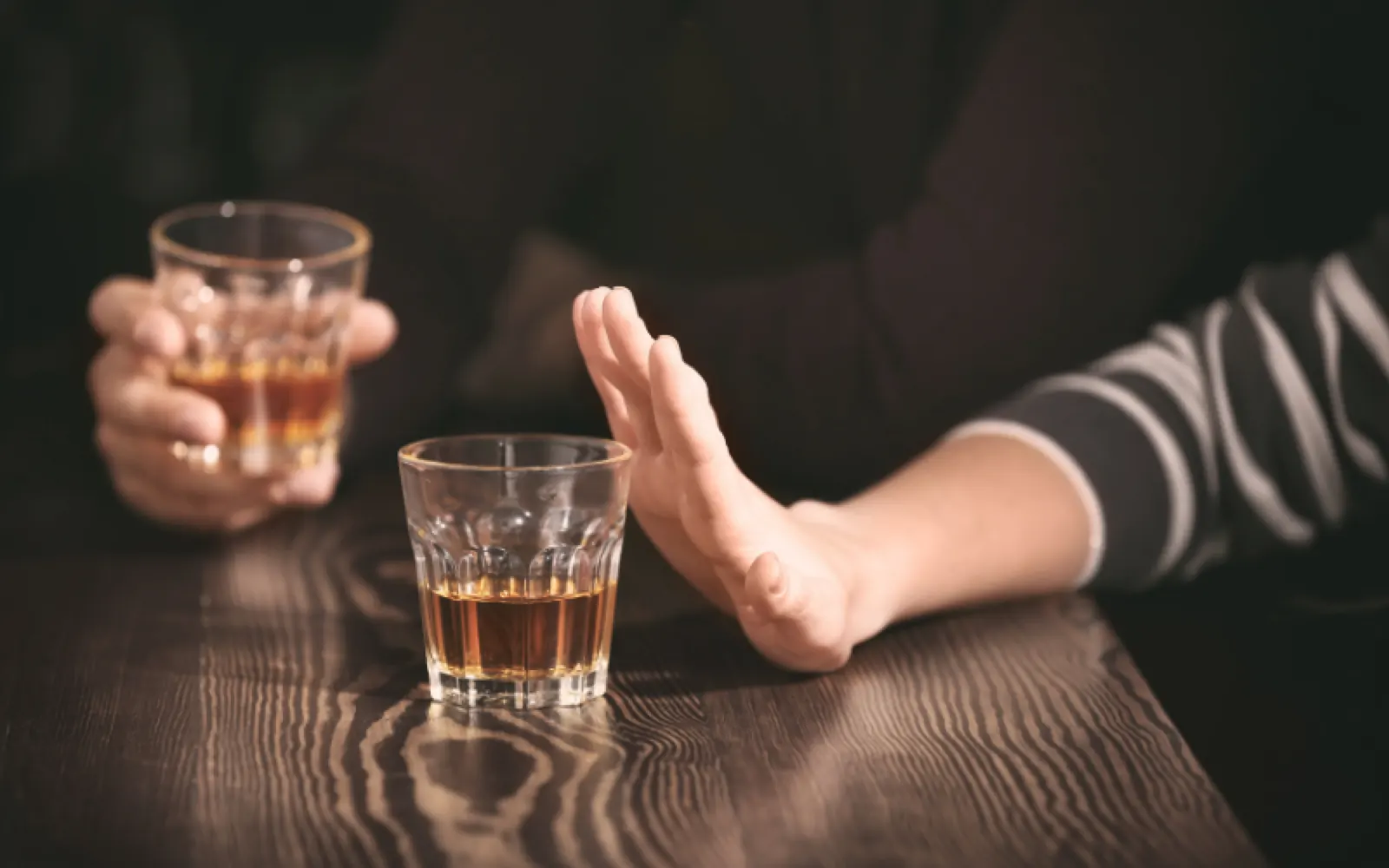
Am I an Alcoholic? Recognizing the Signs and Seeking Help
Nine key signs of alcohol addiction, the consequences of unchecked drinking, and a self-assessment to help you decide whether to seek professional help.
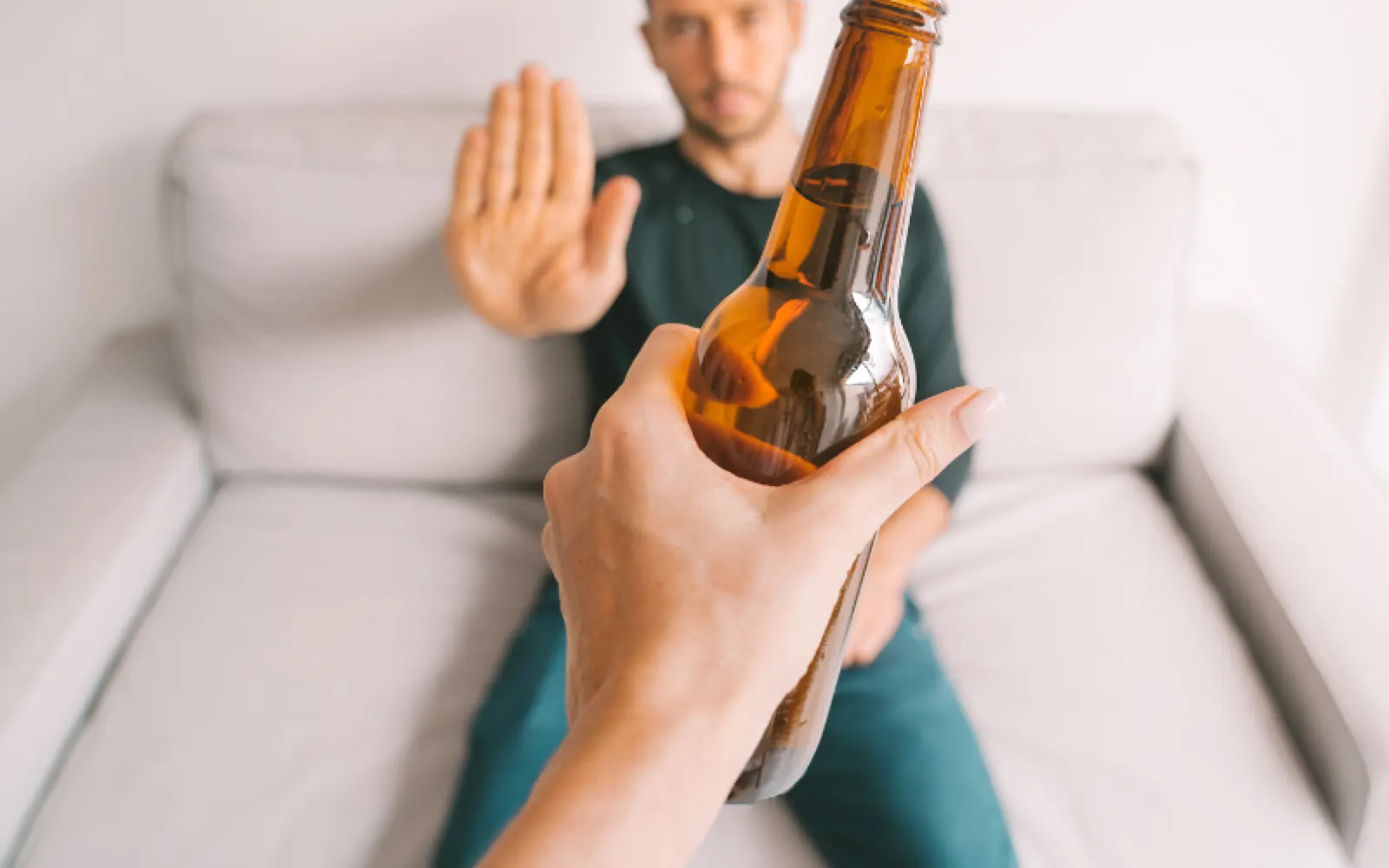
How to Curb Alcohol Cravings: A Guide to Navigating Cravings
Cravings are waves to watch, not commands to follow. A practical guide to managing alcohol cravings with mindfulness, healthy diversions, and a strong support system.

Navigating Your First Sober Spring Break? 3 Tips for New Recovery!
Spring break sober is more doable than you think. Three tips: plan ahead with substance-free activities, lean on your support group, and create new traditions.

Life Beyond the Bottle: Living Your Best Life, Alcohol-Free
Sober curious? Dry January? Life beyond the bottle is real, freeing, and full. A Recovery Happy Hour conversation on alcohol-free living and accountability.

How to Celebrate Recovery During the Holidays
Holiday triggers, healthy habits, and the right to say no. Practical tools for protecting sobriety through the holiday season, from Positive Recovery.

Addiction Recovery: A Second Chance at Life
Recovery restores agency, healing, and connection. Learn how addiction recovery gives people a real second chance at the life they want.

Drug Addiction: Nature or Nurture?
Is addiction genetic or environmental? Both play a role. Learn how developmental age, co-occurring mental illness, and family dynamics shape addiction risk.

Top 10 Tips for Maintaining Sobriety at the Holidays
The holidays can be a minefield in recovery. Ten practical tips for protecting your sobriety through travel, family, parties, and end-of-year pressure.

On a Roll
Substances are often credited with fueling creativity. The truth runs the other way: addiction shrinks the world. How recovery rebuilds the room to create.

For an Addict in Denial, Tomorrow May Never Come
Denial is a core symptom of addiction. How to recognize it, why it persists, and what loved ones can do to help someone admit there is a problem.