Articles tagged Positive Psychology

Resilience and Post-Traumatic Growth: How They Differ and How They Work Together
Resilience and post-traumatic growth are both part of recovery, yet they work differently. Learn how each one plays a role in healing from addiction.
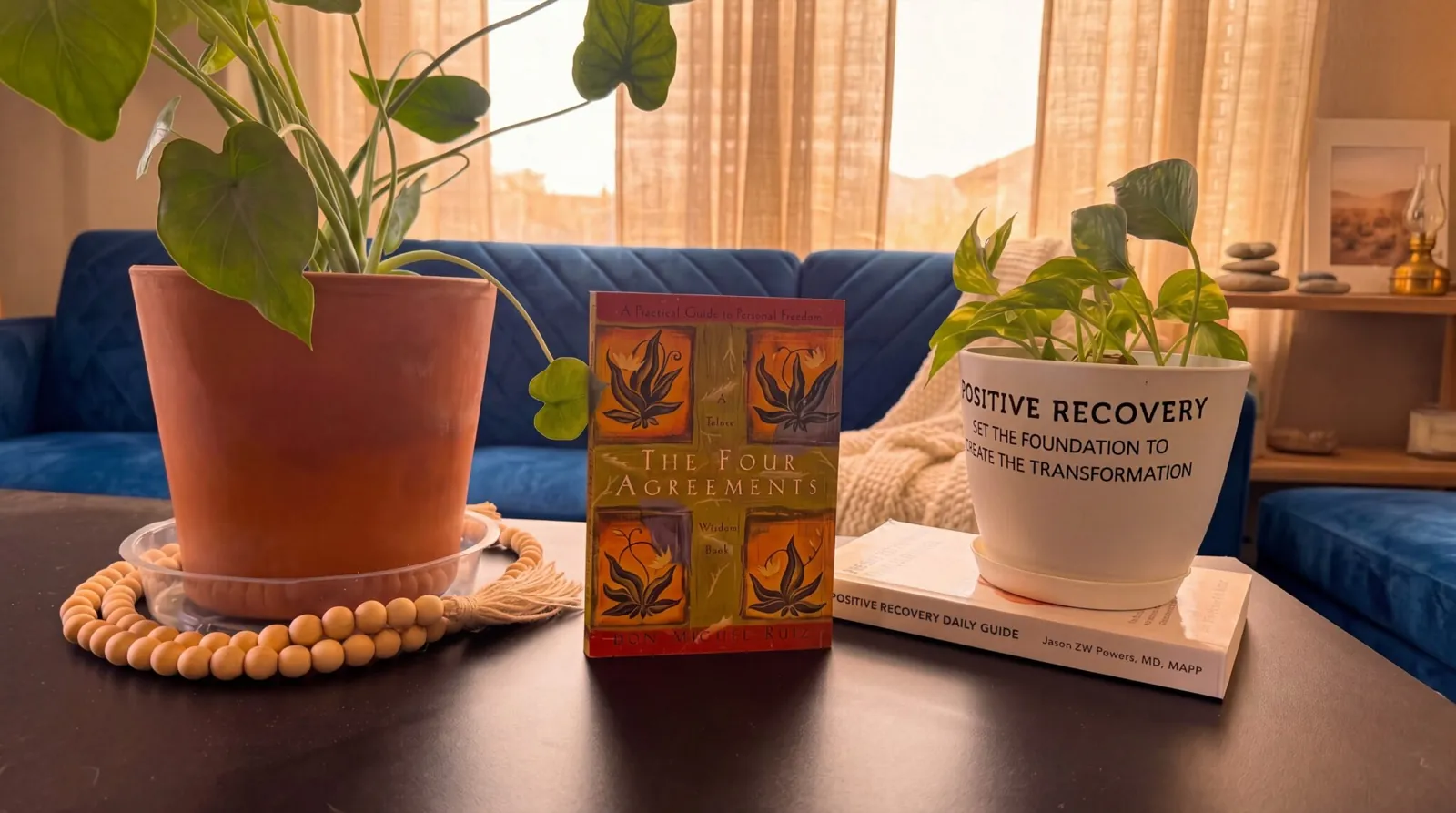
The Four Agreements, The Twelve Steps, and The Science of a Life Worth Living
The Four Agreements, the Twelve Steps, and positive psychology drew three separate maps and keep marking the same path to a life worth living in recovery.
5 Mental Reframes for Early Recovery (Empowering Your Mind)
Five gentle mental reframes for the hardest thoughts in early recovery, from "I should be further along" to "I have to figure this out alone."

The Gift of Recovery: 6 Ways Sobriety Transforms Your Life
Six gifts recovery hands back over time, from flourishing relationships to a real shift in how you see the world.
Growth in Recovery: Why Patience and Perseverance Matter
You can't rush growth. Recovery is a garden, not a sprint. Why patience and the right environment make the difference.
From Self-Loathing to Self-Love: How to Love Yourself After Addiction
The hardest relationship to rebuild in recovery is often the one with yourself. How self-trust is built back, one consistent day at a time.
Recovery Goals for 2026: How to Start the New Year with Intention and Clarity
PRC's leadership team shares their words of the year, what staying on track actually looks like, and how to keep intentions alive past January.
How an Epiphany Can Turn Small Realizations Into Meaningful Change
Not every breakthrough is a burning bush. The quiet "aha" moments in recovery are often the ones that change everything.

3 End of Year Reflection Questions for Your Recovery Goals
Three honest end-of-year questions to ask yourself about your recovery. Built on progress, not perfection.
6 Daily Practices to Cultivate Gratitude in Recovery
Gratitude is a daily practice in recovery, not a one-time mindset. Six small habits that build the feedback loop of resilience and presence.
Recovery Beyond Sobriety: What Does It Really Mean to Heal?
Sobriety is just the beginning. Learn what emotional sobriety means, how the brain heals in long-term recovery, and why integrity matters more than time.

Staying Consistent Through Recovery: Building Habits That Last
Recovery is built one day at a time. Learn why consistency, community, and gratitude carry you further than motivation ever will.

Spirituality in Recovery: Creating Meaning and Purpose in Your Life
Spirituality in recovery is not always about religion. Learn how connection, identity, and values shape lasting recovery.
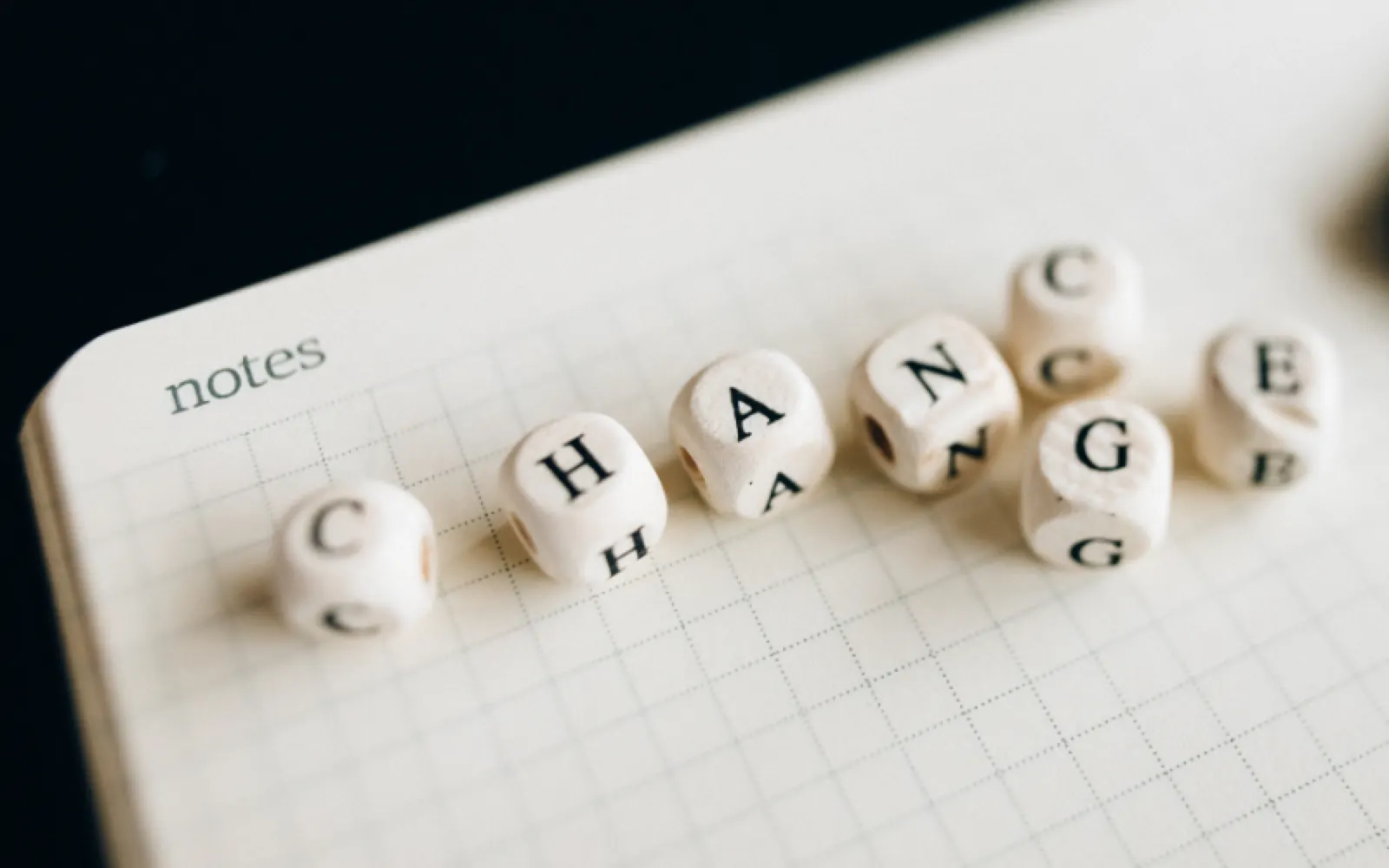
5 Quotes About Overcoming Fear of Change in Recovery
Five short, useful quotes about facing fear of change in recovery, with practical context for how to actually apply each one.

How to Be Your Best Self: Creating an Environment to Grow in Recovery
How a treatment environment that supports both staff and clients shapes the recovery experience. The PRC approach to helping people grow.

November Gratitude: A Season of Thanksgiving
Gratitude is a recovery skill, not just a holiday sentiment. How to use November to build a daily practice that holds up year-round.

Balancing Knowledge and Personal Experience in Recovery
In recovery, knowledge without lived experience falls flat. Why personal experience builds credibility and connection that book knowledge never will.
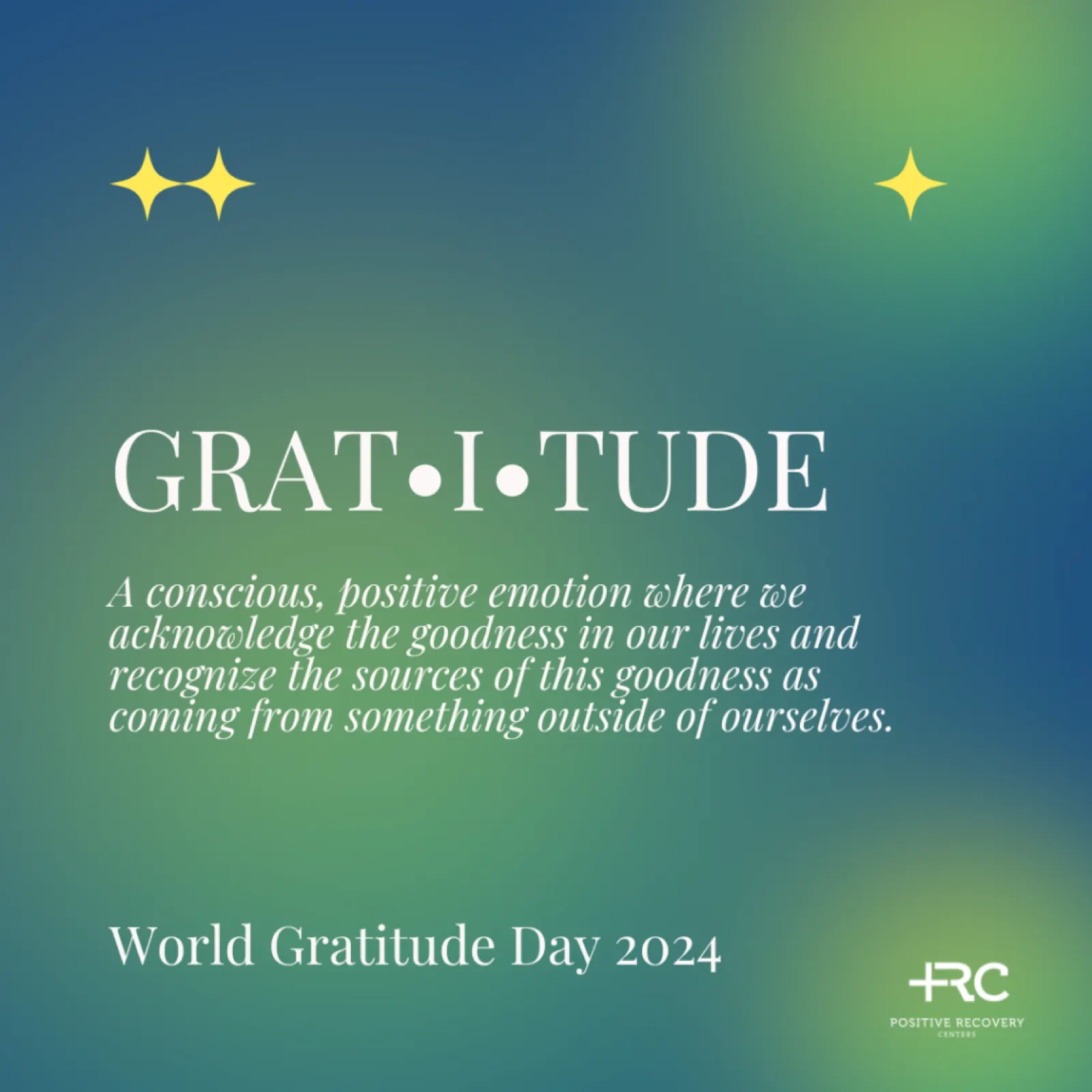
5 Ways to Celebrate World Gratitude Day and Spread Positivity
World Gratitude Day is September 21st. Here are five meaningful ways to celebrate gratitude, from journaling to giving back, and the mental health benefits behind each one.

Sobriety Tools to Help You Achieve Long-Term Recovery
Long-term recovery requires a personalized toolkit. Here are the sobriety tools that work: 12-step fellowships, spirituality, meditation, exercise, and professional therapy.

Progress Not Perfection: Seeking Recovery as a Daily Journey
Recovery is not about flawless execution. It is about consistent forward motion. Why

Living Sober: The Top 3 Benefits of Sobriety
Living sober transforms physical health, mental clarity, and spiritual fulfillment. A look at the three biggest benefits of sustained sobriety and how each one builds on the last.
15 Positive Affirmations for Discovering Freedom in Addiction Recovery
15 positive affirmations grounded in positive psychology to support addiction recovery. Plus a guide for crafting your own personalized affirmations.
Learning to Pause and Reflect to Build Resilience and Manage Stress
Pausing is a skill. A guide to building daily reflection practice that strengthens resilience, manages stress, and supports sustained recovery.

5 Mental Health Reminders to Empower Your Recovery Journey
Five mental health reminders for sustained recovery: focus on what you can control, surround yourself with the right people, be gentle, accept mistakes, and take breaks.

Solar Eclipse & Recovery: Finding Light in the Darkness
The 2024 total solar eclipse mirrors the recovery journey. How the darkness of addiction makes way for the light of healing, and why community matters in both.

3 Ways to Practice Self-Love in Your Recovery Journey Today
Self-love is the foundation of recovery. Three practical ways to extend self-love today: give yourself grace, engage in positive self-talk, and celebrate your progress.

A 2024 Guide to Finding Everyday Joy in Recovery
Joy in recovery comes from small daily moments. Practical tools, character strengths work, and progress-over-perfection thinking to find joy in sobriety.

Applying Positive Psychology to Unlock Your Best Self
Andrew Soren on positive psychology, gratitude, the W.W.W. (What Went Well) practice, and choosing to show up even on the hard days.
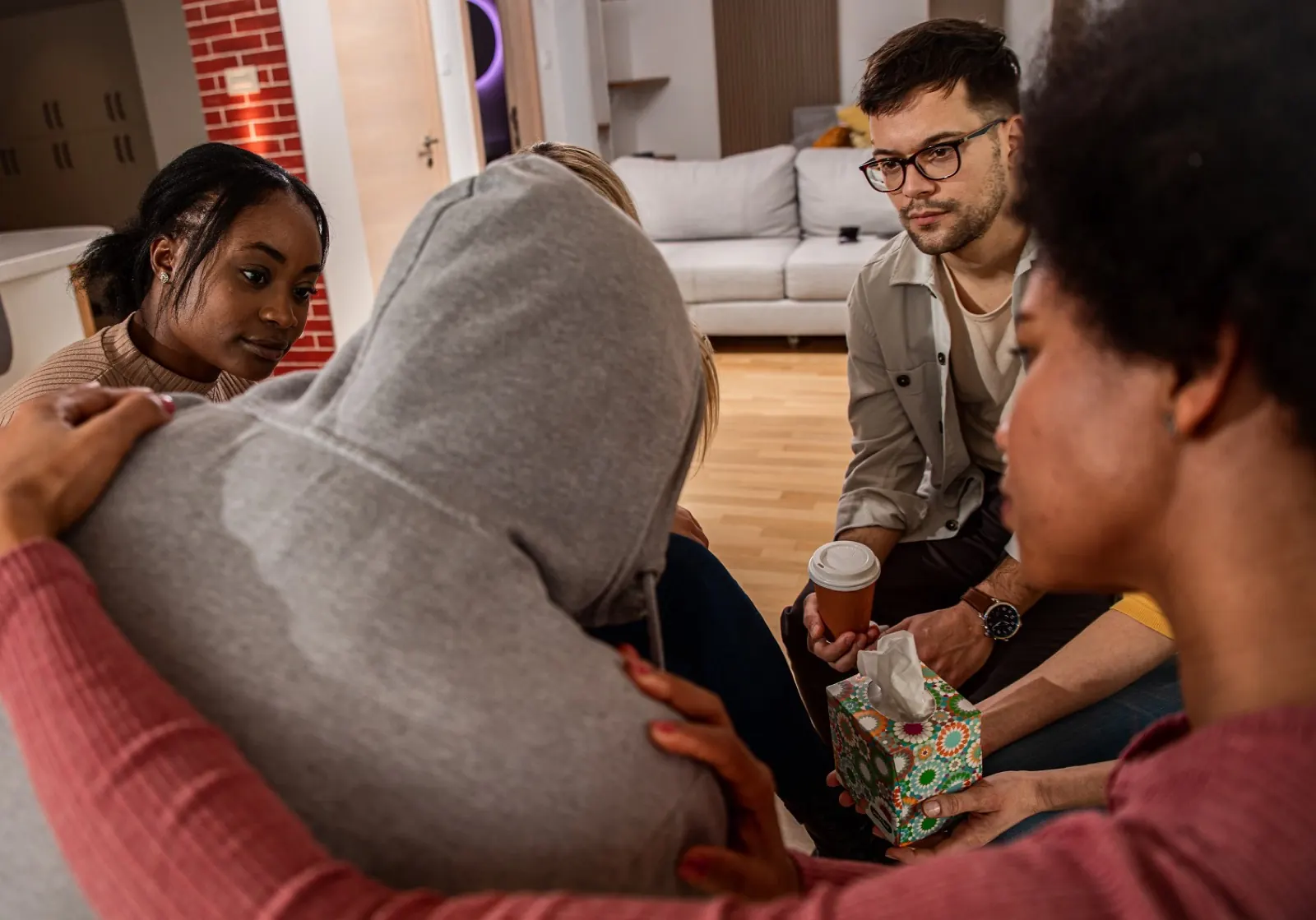
Treating the Whole Person: Why Holistic Approaches to Therapy Work
Holistic therapy treats the whole person, not just symptoms. PRC's clinical team on autonomy, self-determination, hope, and why this approach works in recovery.

Post-Traumatic Growth: Shifting the Mindset from PTSD to Personal Victory
PTSD is not the end of the story. Post-traumatic growth turns pain into strength, forgiveness, and new perspective. From the clinical team at Positive Recovery.

How Recovery Lets Us Extend Love and Gratitude to Our Past Selves
Forgiveness, ownership, and healthy boundaries in recovery. A Positive Recovery MD conversation with Joseph Gorordo on releasing guilt and shame.

Gratitude: Yesterday's Acceptance, Today's Peace, Tomorrow's Future
Gratitude as a daily practice in recovery. A Positive Recovery MD conversation with Tom Nunan on accountability, acceptance, and peace.

Embodying Whole Health Through Addiction Recovery
Mental, social, and physical wellness during recovery. A Positive Recovery MD conversation with George Youngblood on bridging mental and behavioral health.

Positive Psychology: The Pursuit of Positive Transformations
Positive psychology focuses on strengths instead of weaknesses. Learn how this approach helps people in recovery build meaning, purpose, and lasting change.

Addiction Recovery: A Second Chance at Life
Recovery restores agency, healing, and connection. Learn how addiction recovery gives people a real second chance at the life they want.

Yoga and Sobriety: Discovering a Deeper Self-Awareness
Yoga supports sobriety by calming the mind, restoring the body, and replenishing the soul. Learn three transformative benefits of yoga in recovery.

The Road to Recovery: Taking One Step at a Time
Recovery is built in small daily steps. Learn how acknowledging the challenge, finding the root cause, and seeking the big picture move you forward.

How to Foster a Resilient Mindset
Resilience can be learned. Six practical strategies for building a stronger response to stress and life's hardest moments, especially in recovery.

5 Ways to Live Life to the Fullest
Five practices for showing up fully in your own life: forgive your past, find your community, take care of yourself, live with integrity, practice gratitude.

On a Roll
Substances are often credited with fueling creativity. The truth runs the other way: addiction shrinks the world. How recovery rebuilds the room to create.