Articles tagged Mindset & Habits

Routine in Recovery: Staying Grounded as the Seasons Change
Routine in recovery can keep you steady as summer ends. Here's how to hold onto your recovery goals when the seasons change.
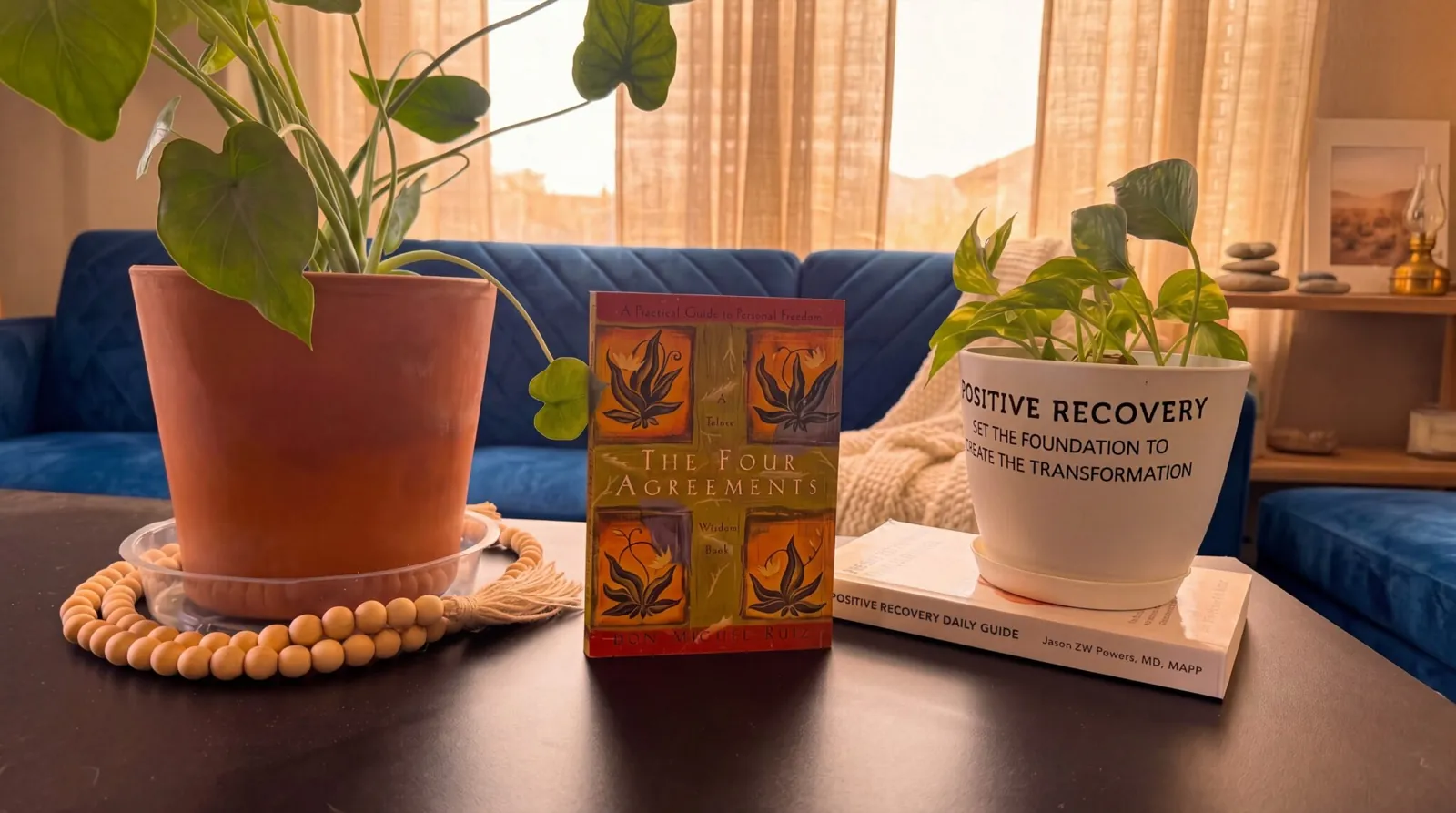
The Four Agreements, The Twelve Steps, and The Science of a Life Worth Living
The Four Agreements, the Twelve Steps, and positive psychology drew three separate maps and keep marking the same path to a life worth living in recovery.

Independent Living After Recovery: How to Know When You're Ready
Wondering if you are ready for independent living after recovery? Here are the signs that show you are ready, plus what to do when you need more support.
7 Helpful Tips for Prioritizing Your Mental Health
Mental Health Awareness Month is one month of the year. Seven habits to carry through all twelve, especially when recovery is part of the picture.

Growth in Recovery: Why Patience and Perseverance Matter
You can't rush growth. Recovery is a garden, not a sprint. Why patience and the right environment make the difference.
Recovery Goals for 2026: How to Start the New Year with Intention and Clarity
PRC's leadership team shares their words of the year, what staying on track actually looks like, and how to keep intentions alive past January.

3 Positive Things You've Noticed After Dry January (and 3 Negative Things You Wish You Hadn't)
What Dry January teaches you about your relationship with alcohol, the good news and the harder truths, and what to do with the insight.

30 Days Alcohol-Free: How a One-Month Reset Can Transform Your Year
Julie DeNofa on the curiosity it takes to ask the alcohol question. Physical and emotional shifts from a 30-day reset, and when to ask for support.

Top 3 Tips for Staying Sober During the Holidays
Dr. Jason Powers on protecting your peace, planning your exit, and giving yourself permission to say no through the holiday season.

3 End of Year Reflection Questions for Your Recovery Goals
Three honest end-of-year questions to ask yourself about your recovery. Built on progress, not perfection.

3 Reminders for Honoring Your Boundaries in Recovery This Holiday Season
Three honest reminders about why boundaries matter through the holidays, and how the right "no" makes room for the right "yes."
6 Daily Practices to Cultivate Gratitude in Recovery
Gratitude is a daily practice in recovery, not a one-time mindset. Six small habits that build the feedback loop of resilience and presence.

Staying Consistent Through Recovery: Building Habits That Last
Recovery is built one day at a time. Learn why consistency, community, and gratitude carry you further than motivation ever will.

Spirituality in Recovery: Creating Meaning and Purpose in Your Life
Spirituality in recovery is not always about religion. Learn how connection, identity, and values shape lasting recovery.

What Recovery Teaches Us About Living with Intention
Recovery shifts you from surviving to flourishing. Small daily choices that turn intention into a real life.

Recovery Is Not Linear: A Liberating Perspective
Why letting go of the perfect upward trajectory makes recovery sustainable, not weaker. Cravings, setbacks, and second chances.

Staying Sober at Social Events: 3 Key Strategies
Three practical strategies for protecting your recovery at parties, weddings, and any event where alcohol is present.

Mindful Recovery: Learning to Be Present in Early Sobriety
Mindfulness in early sobriety creates space between you and your thoughts. Tools, common misconceptions, and how PRC builds mindful practice into treatment.

Is Self Forgiveness The Key to Lasting Recovery?
Shame is a relapse driver. Self forgiveness in sobriety is not letting yourself off the hook, it is choosing to keep moving. Five ways to practice it.
Sobriety and Recovery: The True Journey to Freedom
Sobriety is what you take away. Recovery is what you build. The difference between abstinence and a life worth staying sober for.

You Are Worthy of Love, Even When You Don't Feel Like It
Addiction lies about what you deserve. A reminder that self-worth in recovery is not earned, and how to start peeling back the shame.

Finding Recovery: Your Unique Path Forged in Collective Strength
Recovery is personal, but it is never solo. Why finding your why and doing the inner work matters more than any one technique.
5 Quotes About Overcoming Fear of Change in Recovery
Five short, useful quotes about facing fear of change in recovery, with practical context for how to actually apply each one.
New Year, New Recovery Goals: How to Set Yourself Up for Success in 2025
Five practical principles for setting recovery goals that stick in 2025. Built around progress, not perfection.

Goals for 2025: Choosing Progress Over Perfection in Recovery
Most recovery goals collapse under perfectionism. How to set 2025 goals built around progress so they actually hold up by March.

How to Be Your Best Self: Creating an Environment to Grow in Recovery
How a treatment environment that supports both staff and clients shapes the recovery experience. The PRC approach to helping people grow.

3 Inspiring Quotes About Self Compassion
Three quotes that reframe self-compassion as a recovery skill, not a soft idea. How to actually practice it day to day.
Mindful Growth Through Service: Overcoming Negativity and Finding Purpose
Helping others is a recovery tool. How mindful service breaks the cycle of shame, builds purpose, and pulls people out of negativity bias.

Extending Grace Toward Our Past Selves to Find Healing for Our Future
Recovery asks you to extend grace to your past self so your future self can heal. A conversation with Mitch Leff about the resilience built in that work.

Full Circle Healing: Rediscovering Authenticity in Recovery
Full circle healing is the return to the self you were before addiction taught you to hide. Practical steps for that work in recovery.

Space Between Stimulus and Response: Igniting Real Change
Viktor Frankl said there is a space between stimulus and response. In recovery, that space is where real change actually happens. How to use it.

Balancing Knowledge and Personal Experience in Recovery
In recovery, knowledge without lived experience falls flat. Why personal experience builds credibility and connection that book knowledge never will.
Healing Journey: How Your Past Can Be Your Greatest Teacher
Your past does not define you. It can be the most useful teacher you have in recovery. Dr. Powers on what life after treatment looks like.
World Mental Health Day: 5 Ways to Support Your Well-Being in Recovery
Five practical ways to support mental well-being in recovery. Built for World Mental Health Day but useful any day of the year.

Why Sober October Is the Key to Finishing 2024 Strong
Sober October is more than a 30-day challenge. Why the last 90 days of the year are the right time to commit to recovery.
Understanding Negativity Bias and How It Impacts Daily Life
Negativity bias is the brain over-weighing the negative. How it affects recovery, and how to retrain the brain toward a healthier perspective.

When Are You Ready to Live on Your Own After Recovery?
Knowing when you are ready to live independently after addiction recovery is personal. Here are the signs that suggest you are ready, plus why sober living can be the bridge.

Sobriety Tools to Help You Achieve Long-Term Recovery
Long-term recovery requires a personalized toolkit. Here are the sobriety tools that work: 12-step fellowships, spirituality, meditation, exercise, and professional therapy.

Living Life on Your Own After Addiction: Tips for Thriving Independently in Recovery
After treatment ends, independent living begins. Sleep, nutrition, character strengths, purpose, and relationships are the five pillars that keep recovery steady.

Progress Not Perfection: Seeking Recovery as a Daily Journey
Recovery is not about flawless execution. It is about consistent forward motion. Why

Life After Addiction: Finding Growth in Recovery
Life after addiction is a complete lifestyle shift. How to embrace acceptance, turn pain into purpose, build community, and set goals for a meaningful future in recovery.

Understanding the Negative Effects of Alcohol
Alcohol disrupts sleep, weakens immunity, and clouds mental clarity. A look at how alcohol affects the body and four principles of longevity that thrive without it.

Living Sober: The Top 3 Benefits of Sobriety
Living sober transforms physical health, mental clarity, and spiritual fulfillment. A look at the three biggest benefits of sustained sobriety and how each one builds on the last.
15 Positive Affirmations for Discovering Freedom in Addiction Recovery
15 positive affirmations grounded in positive psychology to support addiction recovery. Plus a guide for crafting your own personalized affirmations.
Learning to Pause and Reflect to Build Resilience and Manage Stress
Pausing is a skill. A guide to building daily reflection practice that strengthens resilience, manages stress, and supports sustained recovery.
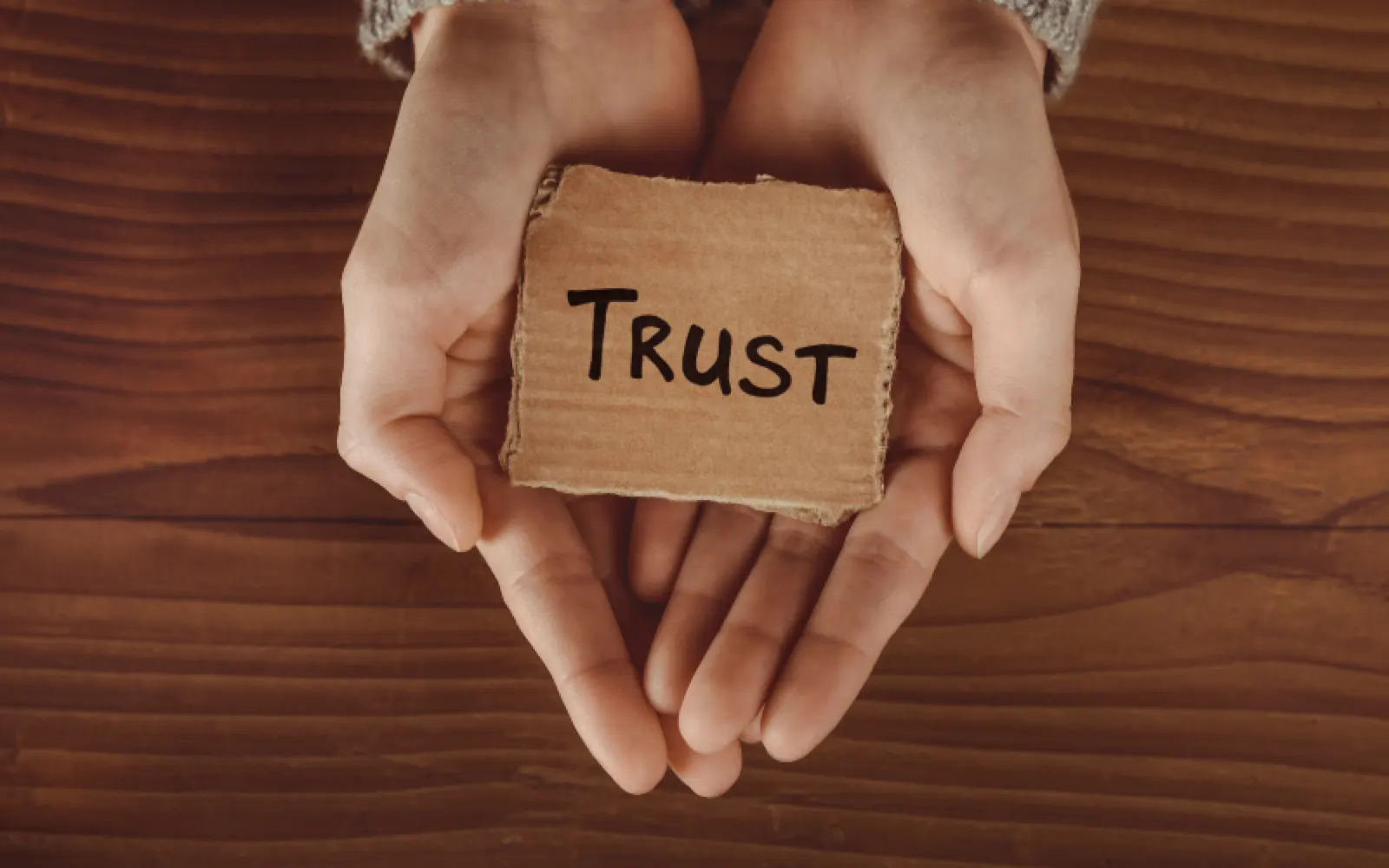
How to Regain Trust: A Guide for Those in Recovery
Rebuilding trust after addiction takes patience, consistent action, and respect for the other person's timeline. A practical guide to living in amends.
Benefits of Sobriety: 5 Ways to Empower Your Recovery
Sobriety reshapes physical health, mental clarity, relationships, finances, and personal growth. Five tangible benefits that make recovery worth the work.

How to Rebuild Your Life: Strategies for Long-Term Recovery
Rebuilding life after addiction starts with five strategies: professional help, a support network, healthy habits, SMART goals, and breaking the shame cycle around relapse.

Remarkable Brain Health Benefits of Mindfulness Practices
Mindfulness and meditation reshape the brain, support recovery, and help treat the co-occurring mental illness that often drives substance use disorders.

5 Mental Health Reminders to Empower Your Recovery Journey
Five mental health reminders for sustained recovery: focus on what you can control, surround yourself with the right people, be gentle, accept mistakes, and take breaks.
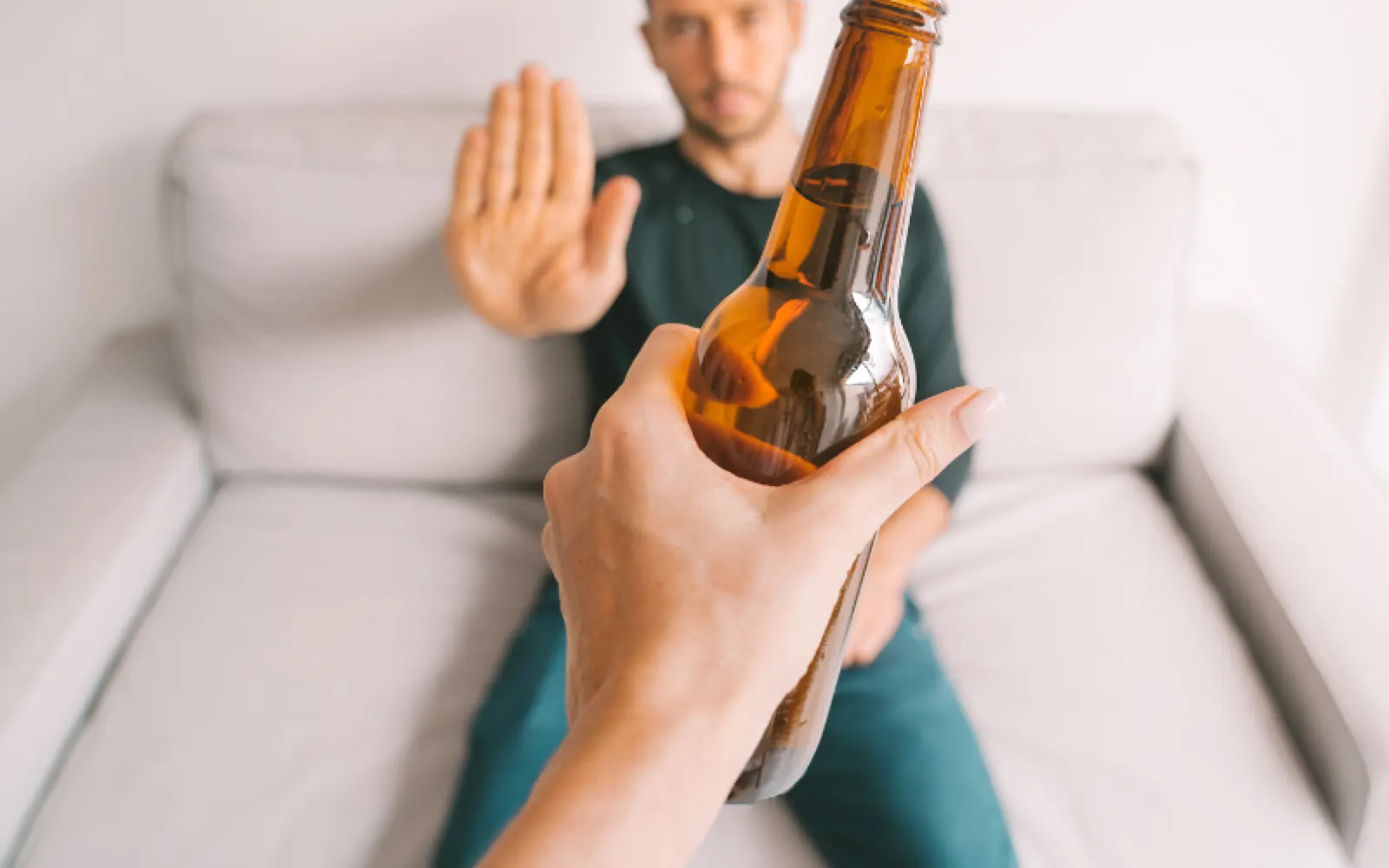
How to Curb Alcohol Cravings: A Guide to Navigating Cravings
Cravings are waves to watch, not commands to follow. A practical guide to managing alcohol cravings with mindfulness, healthy diversions, and a strong support system.

Understanding Relapse in Addiction: Why Do Addicts Relapse When Things Are Good?
Relapse often happens during good times. Why complacency, unresolved issues, and positive stress can all trigger old coping mechanisms, and how to plan for it.

3 Ways to Practice Self-Love in Your Recovery Journey Today
Self-love is the foundation of recovery. Three practical ways to extend self-love today: give yourself grace, engage in positive self-talk, and celebrate your progress.

A 2024 Guide to Finding Everyday Joy in Recovery
Joy in recovery comes from small daily moments. Practical tools, character strengths work, and progress-over-perfection thinking to find joy in sobriety.

Life Beyond the Bottle: Living Your Best Life, Alcohol-Free
Sober curious? Dry January? Life beyond the bottle is real, freeing, and full. A Recovery Happy Hour conversation on alcohol-free living and accountability.

Sobriety in the New Year: SMART Goals for Successful Recovery
Recovery is more than a New Year's resolution. Use the SMART framework. Specific, Measurable, Accountability, Relevant, Timely. to make sobriety stick.

3 Ways to Make Health and Wellness a Priority in Recovery
Mindfulness, physical wellness, and kindness as daily habits in recovery. Practical tools from Positive Recovery Centers for protecting your sobriety.

Celebrating the Power of Love Beyond Valentine's Day
Practicing self-love, loving the people closest to you, and extending kindness to strangers. A look at love in recovery from Positive Recovery Centers.

How to Celebrate Recovery During the Holidays
Holiday triggers, healthy habits, and the right to say no. Practical tools for protecting sobriety through the holiday season, from Positive Recovery.
Choosing Sobriety: What Happens When We Recover Out Loud
When we recover out loud, we speak life to those suffering in silence. Kristin Landrum on freedom, ownership, and giving others permission to choose recovery.

Gratitude: Yesterday's Acceptance, Today's Peace, Tomorrow's Future
Gratitude as a daily practice in recovery. A Positive Recovery MD conversation with Tom Nunan on accountability, acceptance, and peace.

Yoga and Sobriety: Discovering a Deeper Self-Awareness
Yoga supports sobriety by calming the mind, restoring the body, and replenishing the soul. Learn three transformative benefits of yoga in recovery.

How to Foster a Resilient Mindset
Resilience can be learned. Six practical strategies for building a stronger response to stress and life's hardest moments, especially in recovery.
3 Ways to Spring Into Recovery
Spring is a season of renewal. Three practical ways to lean into recovery: chase the sunlight, find creative outlets, and join a support community.

Getting Back Out There: Tips to Handle Recovery and Re-Entry
Post-pandemic re-entry anxiety and early recovery share a lot in common. Three coping strategies that apply to both: own your feelings, build skills, lean on loved ones.