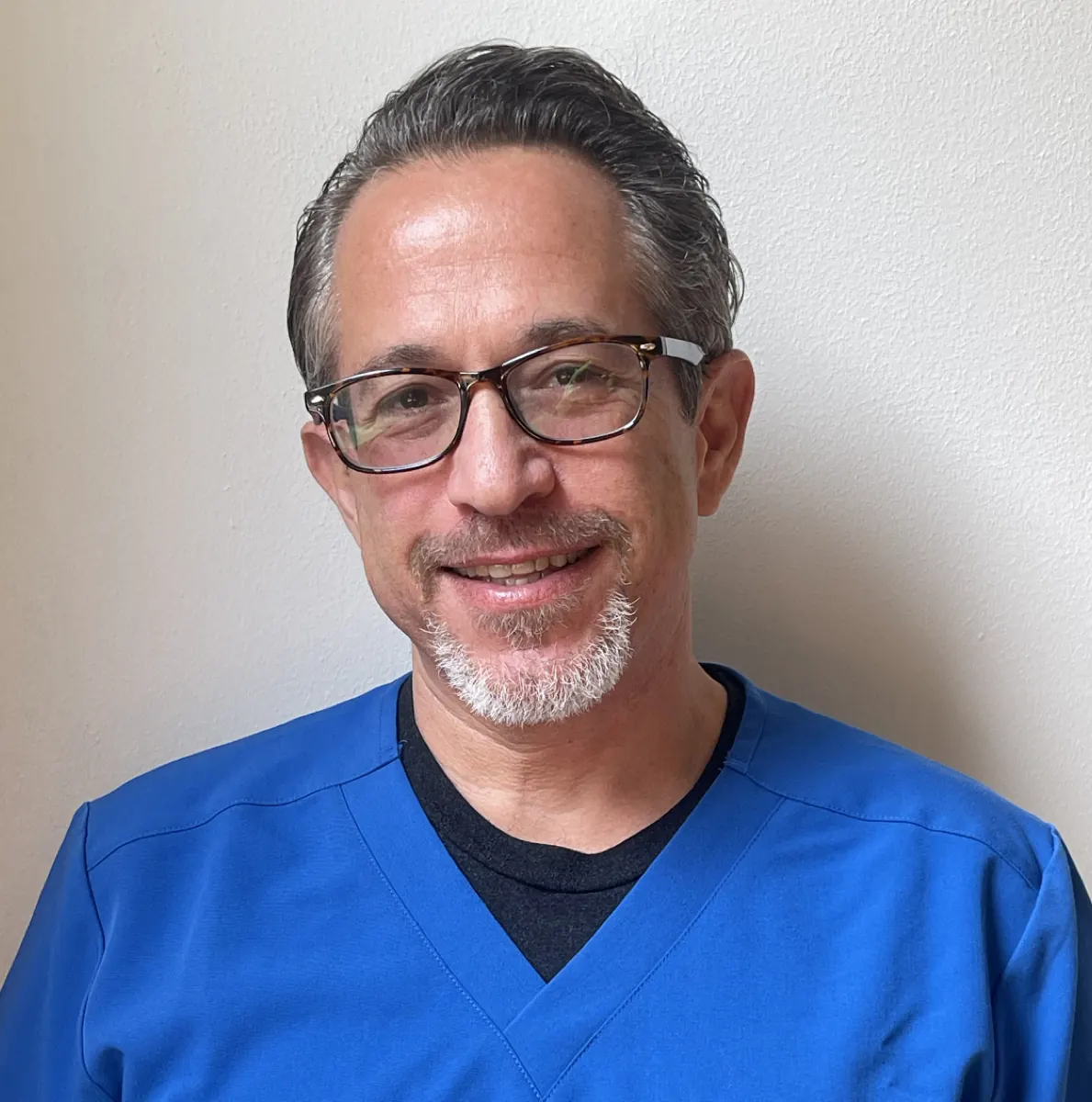
Medically Reviewed by Dr. Jason Z.W. Powers, MD, MAPP
Board-Certified in Family Medicine & Addiction Medicine | University of Pennsylvania
Understanding Meth Addiction
Methamphetamine is one of the most destructive substances in America, and Texas is not immune. Meth creates powerful physical and psychological dependence that requires sustained, structured treatment to overcome. At Positive Recovery Centers, our residential and outpatient programs provide the intensive support needed for meth recovery, combined with our Positive Recovery approach to help you build a life worth living.
Common forms: Crystal methamphetamine (crystal meth, ice), powdered methamphetamine (speed, crank), methamphetamine pills
Recognizing the Problem
Rapid weight loss, hollow features, severe dental decay ("meth mouth"), skin sores from picking, scabs and acne, dilated pupils, bursts of energy followed by crashes, days without sleep, twitching, premature aging.
Multi-day binges followed by extended sleep, paranoia, hallucinations, agitation, repetitive behaviors (taking apart and reassembling things), lying about whereabouts, missing valuables, increasing isolation, tweaking.
Loss of employment, custody issues, criminal charges, unsafe living situations, severe dental problems, cardiac symptoms, psychosis, deepening estrangement from family. Meth use disorder is associated with high mortality.
The Science
Meth floods the brain with dopamine at levels far beyond what natural rewards produce. Chronic use physically damages dopamine-producing neurons. Brain imaging studies show reduced grey matter and impaired cognitive function that can persist long after use stops.
"Meth mouth" is the severe dental decay caused by meth use. The drug dries saliva, users grind their teeth, and the acidic chemicals erode enamel. Tooth loss is common in long-term users.
Meth causes skin picking (formication), severe acne, sores, and premature aging. Weight loss, hollow features, and visible deterioration are characteristic of chronic use.
Meth raises heart rate and blood pressure dramatically, increasing the risk of stroke, heart attack, and aortic dissection. Chronic use weakens the heart muscle.
How It Progresses
Often introduced socially or used to lose weight, stay up for shift work, or push through. The first high is intense.
More is needed to get the same effect. Use frequency climbs. Sleep and eating patterns get disrupted. The first crash hits.
Multi-day runs without sleep. Paranoia and hallucinations begin. Physical changes (weight, teeth, skin) become visible. Work and relationships start failing.
The brain's dopamine system is significantly damaged. Without meth, nothing feels good. Treatment is essential. The longer use continues, the harder recovery is.
What to Expect
Reaching out can feel like the hardest step. Once you do, we walk you through the rest.
Someone on our team answers and listens, with no judgment.
We ask about your situation and verify insurance at no cost.
Your care team recommends residential, PHP, or IOP based on what you need.
Many clients start the same day. We handle logistics.
What to Expect
Withdrawal can be dangerous without medical supervision. Our medical team monitors you 24/7 and provides medication to keep you safe and comfortable. Our guide to stimulant withdrawal walks through each phase in more detail.
Extreme fatigue, increased sleep (sometimes 24+ hours), depression, increased appetite. The body shuts down after the stimulant wears off.
Severe depression, anxiety, irritability, fatigue, intense cravings, difficulty concentrating, paranoia. No life-threatening physical symptoms but significant psychological distress.
Cravings, mood swings, anhedonia, sleep disturbances. Structured treatment and behavioral therapy are critical.
Brain chemistry gradually normalizes but recovery is slow. The Positive Recovery curriculum helps rebuild purpose during this extended healing period.
Your Treatment Path
Every person's path to recovery is different. We offer a full continuum of care so you get the right level of support at every stage.
Medically-supervised detox with 24/7 nursing care. 4-6 day programs with medication to manage withdrawal safely.
Learn About Detox24/7 inpatient care at 3 Texas campuses. Group therapy, individual counseling, family workshops, and the Positive Recovery curriculum.
Learn About ResidentialFlexible programming 3-4 days per week at 15+ Texas locations. Continue working or going to school while getting the support you need.
Learn About IOP
A Different Approach
At Positive Recovery, we believe addiction develops when happiness is pursued ineffectively, and recovery takes place when people pursue happiness the right way.
Our approach goes beyond addressing what's wrong. We help you cultivate positive emotions, meaningful relationships, engagement, and purpose so that a sober life is more rewarding than meth ever was.
Learn About Our ApproachEvidence-Based Care
There is no FDA-approved medication for methamphetamine use disorder. Recovery comes from sustained behavioral therapy, peer support, the Positive Recovery curriculum, and addressing the underlying conditions meth was self-medicating.
A 16-week structured program developed specifically for stimulant use disorder. Combines individual counseling, group therapy, family education, drug testing, and support group encouragement. Strong evidence base for meth recovery.
Tangible reinforcers for documented periods of sobriety. The most evidence-supported approach for stimulant use disorder. Helps retrain the depleted reward system to respond to natural rewards again.
Identifies the triggers, thoughts, and patterns that drive meth use. Builds skills for handling cravings, boredom, and emotional pain without using.
Recovery from meth happens in community. Crystal Meth Anonymous, NA, and our PRC alumni network give long-term accountability and a place where everyone understands the road.
Dr. Jason Powers' positive psychology framework. Especially important for meth recovery because the brain's reward system needs to be retrained to respond to ordinary good things.
Many meth clients carry significant trauma. Treating substance use without addressing trauma often fails. Our team uses trauma-informed approaches throughout treatment.
Dual Diagnosis
Meth use is almost always entangled with mental health conditions. The drug masks symptoms in the short term and makes them dramatically worse over time.
Chronic meth use can cause persistent psychosis, severe depression, and anxiety that resemble standalone psychiatric conditions. It can also surface or worsen pre-existing conditions like bipolar disorder, ADHD, and PTSD. Treatment that addresses only the meth, without addressing what is underneath, almost always relapses.
Our team is trained to assess and treat co-occurring conditions during meth treatment, with psychiatric care, medication management for the underlying disorder, and integrated therapy as standard parts of the program.
For Families
Meth is hard on families in a way that few other drugs are. The personality changes, the paranoia, the disappearances, the physical deterioration, the missing things, the lying that does not look like ordinary lying. Many families have been pushed past their limits long before they ever call us.
Call us. Even if your loved one is not ready, we can talk you through their options for when they are, and how to have the conversation. Many of our clients enter treatment after a family-led intervention or an honest family conversation.
Meth users in active psychosis or extreme paranoia can be unpredictable. Your physical safety matters. If your loved one is dangerous, do not try to confront them alone. Call us, call law enforcement if needed, and protect yourself first.
Every three weeks at our residential campuses. Groups, education, and family therapy together. Recovery from meth specifically benefits when the family understands what brain damage and protracted withdrawal actually look like.
Common Questions
Meth withdrawal is not life-threatening the way alcohol or benzo withdrawal can be, so medical detox is not always strictly required. But the crash is severe (extreme depression, suicidal ideation, profound exhaustion, sometimes psychotic symptoms), and most clients benefit from the medical and psychiatric support of a structured detox or residential setting before stepping into outpatient treatment.
Acute withdrawal lasts 1-2 weeks. Protracted withdrawal (cravings, mood disturbance, anhedonia, sleep problems) can last several months as the brain's dopamine system slowly heals. Some cognitive effects from heavy long-term use can take a year or more to improve. Meth recovery takes time, and our aftercare and alumni programs are built to support you through it.
The brain has more capacity to heal than people often realize, but the recovery is gradual. Brain imaging studies show that dopamine receptor function does improve significantly in the first year of sobriety, and continues to improve beyond that. Cognitive function, mood, and the ability to feel pleasure naturally all return for most clients with sustained sobriety. The longer you have used and the heavier the use, the slower the recovery, but it does happen.
There is no FDA-approved medication specifically for methamphetamine use disorder. Some clients benefit from medications that treat underlying ADHD, depression, anxiety, or psychosis, which removes one of the drivers of meth use. The strongest evidence-based treatment for meth itself is the Matrix Model combined with contingency management.
Most heavy meth users benefit from residential treatment to get through the acute phase of withdrawal in a safe, supervised setting and to break the home and social patterns that drive use. Outpatient can work for clients with shorter-duration use, stable home environments, and strong support systems. Our admissions team helps you decide.
Most major plans do cover substance use disorder treatment under the federal Mental Health Parity Act. We accept BCBS, Aetna, Cigna, UnitedHealthcare, and many others. Call 713-904-4699 and our admissions team will check your specific meth treatment benefits for free.
References
We Also Treat
Where We Treat
We treat meth addiction across Texas. Start at our Houston treatment locations, our Dallas-Fort Worth treatment locations, or our Austin and Hill Country treatment locations, or browse all 20+ Positive Recovery locations to find the clinic closest to you.
Call now for a confidential consultation. Our admissions team is available 24/7.