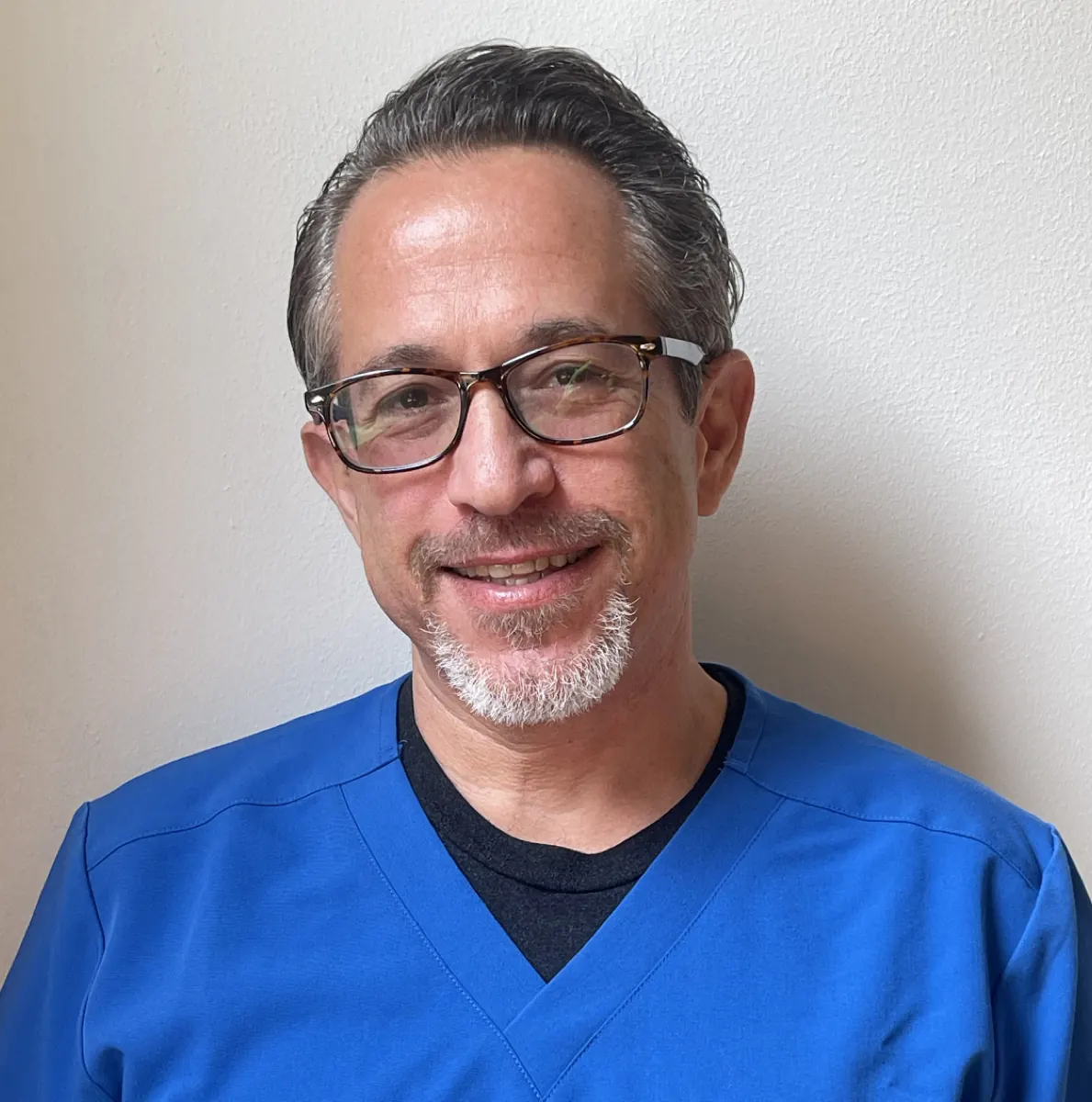
Medically Reviewed by Dr. Jason Z.W. Powers, MD, MAPP
Board-Certified in Family Medicine & Addiction Medicine | University of Pennsylvania
Benzo withdrawal can cause grand mal seizures and is one of the few withdrawals that can be fatal without medical supervision. If you are dependent on Xanax, Klonopin, Valium, Ativan, or any benzo, do not stop abruptly. Call us first.
Understanding Benzodiazepine Addiction
Benzodiazepines like Xanax, Valium, Klonopin, and Ativan are among the most commonly prescribed medications in America, and among the most dangerous to stop taking without medical supervision. Benzo withdrawal can cause life-threatening seizures. At Positive Recovery Centers, our medical team provides safe, gradual tapering protocols and comprehensive treatment to help you recover.
Common forms: Alprazolam (Xanax), Diazepam (Valium), Clonazepam (Klonopin), Lorazepam (Ativan), Temazepam (Restoril)

Recognizing the Problem
Drowsiness, slurred speech, poor coordination, slowed breathing, memory gaps, confusion, dizziness, slow reaction time. Withdrawal between doses brings rebound anxiety, sweating, tremor, and panic.
Running out of medication early, doctor shopping, requesting early refills, taking it for reasons other than prescribed, taking higher doses than prescribed, combining with alcohol or opioids (extremely dangerous), increasing tolerance, irritability when supply runs low.
Memory problems, cognitive dulling, depression, paradoxical worsening of anxiety over time, daytime sedation, falls, accidents, declining work performance, conflict with partners or family, dependence that makes the original anxiety much worse on the way down.
The Science
Benzos enhance the effect of GABA, the brain's calming neurotransmitter. The brain adapts by reducing natural GABA production. When benzos are removed, the nervous system becomes dangerously overexcited, which is why seizures occur during unsupervised withdrawal.
Long-term benzo use impairs memory formation, concentration, and cognitive function. Some studies suggest these effects may persist months after discontinuation.
Chronic benzo use can worsen the very conditions they were prescribed to treat. Rebound anxiety and panic attacks during withdrawal are often more severe than the original symptoms.
Benzodiazepines are especially dangerous when combined with opioids or alcohol. This combination suppresses breathing and is a leading cause of polydrug overdose death.
How It Progresses
Prescribed for anxiety, panic, insomnia, or muscle spasms. The medication does what it is supposed to do, used as directed for short-term management.
Within weeks to months, the same dose stops controlling symptoms as well. The body has adapted. Some clients increase dose; some experience anxiety creeping back through the medication.
Withdrawal between doses (rebound anxiety, sweating, tremor, panic). The medication now treats the withdrawal symptoms it created. The original anxiety is worse than where it started.
Cognitive problems, depression, paradoxical anxiety, falls, possible mixing with alcohol or opioids. Coming off requires medical supervision because of seizure risk.
What to Expect
Reaching out can feel like the hardest step. Once you do, we walk you through the rest.
Someone on our team answers and listens, with no judgment.
We ask about specific drug, dose, duration, and recent use to plan a safe taper.
Most clients need medical detox or residential. The taper protects against seizures.
Many clients start the same day. We handle logistics.
What to Expect
Withdrawal can be dangerous without medical supervision. Our medical team monitors you 24/7 and provides medication to keep you safe and comfortable.
Rebound anxiety, insomnia, restlessness, irritability. Short-acting benzos (Xanax) produce faster onset; long-acting (Valium) may delay onset.
Peak anxiety, possible seizures, tremors, sweating, nausea, perceptual disturbances. Medical tapering is essential during this phase.
Gradual improvement but continued anxiety, sleep disturbances, and mood instability. Ongoing medication management.
Some individuals experience prolonged withdrawal symptoms for months. Patience, clinical support, and the Positive Recovery curriculum help build resilience.
Your Treatment Path
Every person's path to recovery is different. We offer a full continuum of care so you get the right level of support at every stage.
Medically-supervised detox with 24/7 nursing care. 4-6 day programs with medication to manage withdrawal safely.
Learn About Detox24/7 inpatient care at 3 Texas campuses. Group therapy, individual counseling, family workshops, and the Positive Recovery curriculum.
Learn About ResidentialFlexible programming 3-4 days per week at 15+ Texas locations. Continue working or going to school while getting the support you need.
Learn About IOP
A Different Approach
At Positive Recovery, we believe addiction develops when happiness is pursued ineffectively, and recovery takes place when people pursue happiness the right way.
Our approach goes beyond addressing what's wrong. We help you cultivate positive emotions, meaningful relationships, engagement, and purpose so that a sober life is more rewarding than benzodiazepine ever was.
Learn About Our ApproachEvidence-Based Care
Benzo treatment runs on two parallel paths: a medical taper to come off the medication safely, and behavioral and psychiatric work to treat the original anxiety with safer, evidence-based approaches.
Our medical team designs an individualized tapering schedule, often using diazepam (long half-life) as a substitute for shorter-acting benzos like Xanax. The taper protects against withdrawal seizures and minimizes rebound anxiety.
Strongest evidence base for anxiety disorders without medication dependence. CBT teaches you how to recognize anxious thoughts, recalibrate them, and tolerate the physical sensations of anxiety without needing to medicate them.
SSRIs, SNRIs, buspirone, hydroxyzine, beta-blockers, and others can manage anxiety effectively without the dependence risk of benzos. Our psychiatric team works with you to find what fits your situation.
For panic disorder, social anxiety, and PTSD, exposure-based therapies have stronger long-term outcomes than benzos ever did. The fear that drove the prescription does not have to be the rest of your life.
Anxiety lives in the body as much as the mind. Mindfulness-based stress reduction, breathwork, and somatic approaches give you tools to handle panic and anxiety attacks without reaching for the bottle.
Dr. Jason Powers' positive psychology framework. Builds the engagement, meaning, and accomplishment that anxious living often crowded out, and that the medication blunted.
Dual Diagnosis
By definition, every benzo prescription started with a psychiatric or medical reason: anxiety, panic, insomnia, muscle spasm, alcohol withdrawal. The original condition is still there, often worsened by years of medication that does not fully treat it.
Long-term benzo use is paradoxically associated with worse anxiety, worse sleep, more depression, and cognitive problems. Recovery is not just coming off the medication, it is actually treating the original anxiety with approaches that give long-term relief instead of trading dependence for symptom control.
Our psychiatric team is trained to assess and treat anxiety, depression, PTSD, and sleep disorders during benzo treatment, not afterward.
For Families
Benzo dependence is uniquely confusing for families. Your loved one has a real prescription for a real anxiety problem. The line between "managing anxiety with medication" and "dependent on the medication" is invisible until well after it has been crossed. The shame on both sides can be intense, and so can the genuine fear of stopping.
Call us. We can help you understand whether dependence has formed, what the medical risks of stopping are, and what a safe taper looks like. The conversation is much less scary when you have a clinical plan to point to.
This is critical: stopping benzos abruptly can cause grand mal seizures and is one of the few withdrawals that can be fatal. If your loved one is talking about quitting suddenly, get them to a clinical assessment first. The taper protects them.
Family workshops are part of our outpatient programs. Education on what protracted benzo withdrawal actually looks like (it can last months), and how to support someone through it. Recovery works better when families understand the timeline.
Common Questions
Yes. Benzo withdrawal is one of only a few withdrawals (along with alcohol) that can cause grand mal seizures, status epilepticus, and death. This is why we never recommend stopping benzos abruptly. Medical tapering protects against the seizure risk, manages the rebound anxiety, and gets you off the medication safely.
The acute phase typically lasts 1-4 weeks depending on the specific drug and dose. But benzos are different from most other substances: many clients experience protracted withdrawal symptoms (rebound anxiety, sleep problems, cognitive issues, paresthesias) that can last 6-18 months. This is why long-term outpatient and aftercare matter so much for benzo recovery, and why we set realistic expectations from day one.
For most clients with established benzo dependence, yes. The seizure risk and the severity of acute withdrawal mean that a structured medical detox or residential setting is the safest start. Some clients with shorter-duration use and lower doses can taper safely as outpatients with close medical monitoring. Our admissions team helps you decide.
It varies, but most safe tapers run several weeks to several months. The longer and the higher the dose, the slower the taper. We do not rush this. The slower we go, the more comfortable the client is and the more likely the recovery sticks.
Many clients fear this, and rebound anxiety during the taper is real. But long-term, well-managed benzo recovery typically results in lower baseline anxiety than chronic benzo use, because chronic benzo use itself sensitizes the nervous system over time. We use evidence-based anxiety treatments (CBT, SSRIs, exposure therapy, mindfulness) so your anxiety is being treated effectively while the benzo is winding down.
Yes, in most cases. Under the federal Mental Health Parity Act, most major insurance plans cover substance use disorder treatment, and that includes benzodiazepine treatment. We accept BCBS, Aetna, Cigna, UnitedHealthcare, and many others. Verification is free through our admissions team at 713-904-4699.
References
We Also Treat
Where We Treat
We treat benzodiazepine addiction across Texas. Start at our Houston treatment locations, our Dallas-Fort Worth treatment locations, or our Austin and Hill Country treatment locations, or browse all 20+ Positive Recovery locations to find the clinic closest to you.
Call now for a confidential consultation. Our admissions team is available 24/7.