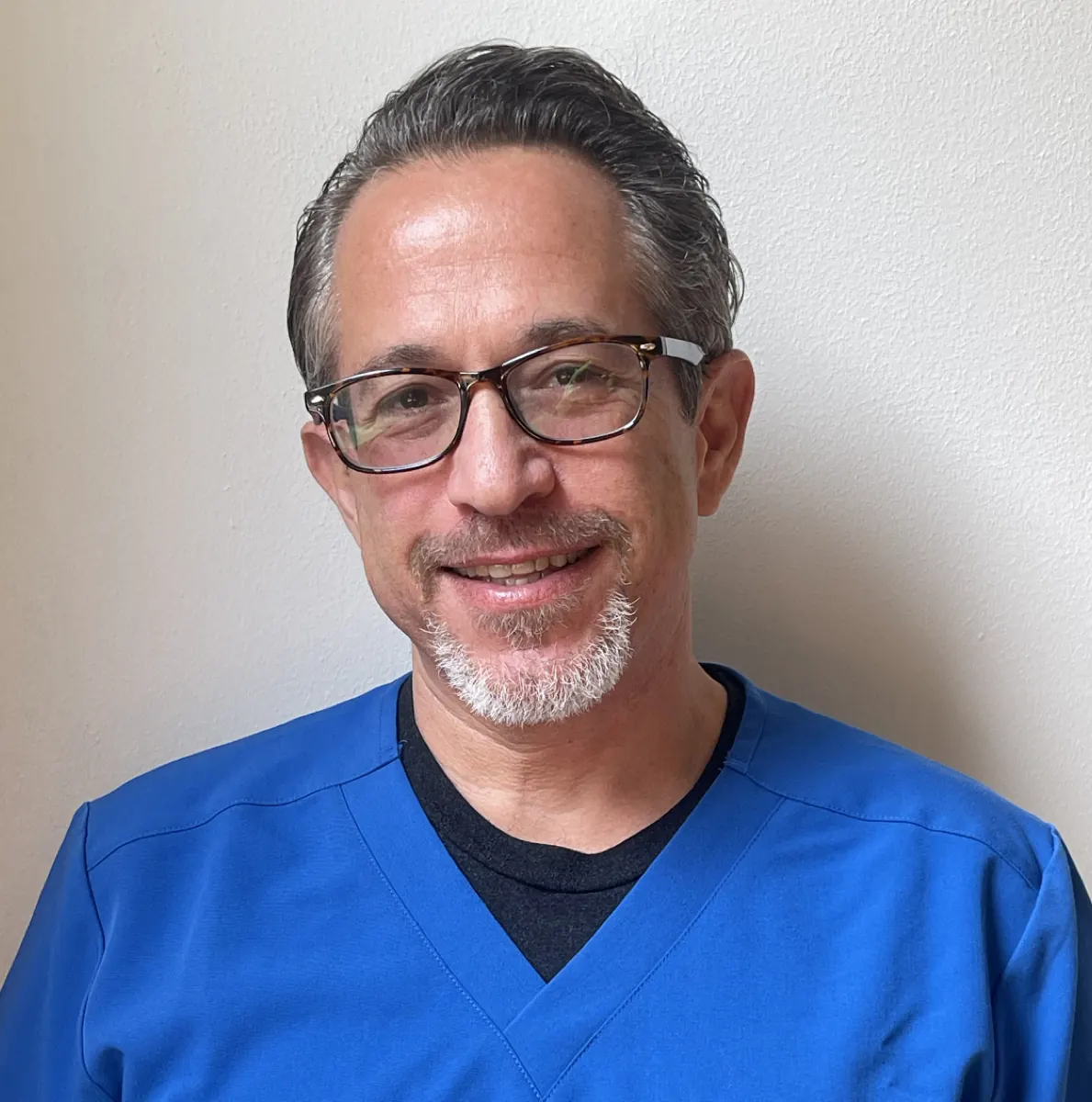
Medically Reviewed by Dr. Jason Z.W. Powers, MD, MAPP
Board-Certified in Family Medicine & Addiction Medicine | University of Pennsylvania
Understanding Prescription Drug Addiction
Prescription drug addiction often starts with a legitimate doctor's prescription. A pain medication after surgery, an anxiety prescription during a stressful period, or a stimulant for focus. The shift from therapeutic use to dependence happens gradually, and many people do not recognize they have a problem until the consequences are severe. At Positive Recovery Centers, we help you safely taper off prescription medications and build a recovery that lasts.
Common forms: Hydrocodone (Vicodin), Oxycodone (OxyContin, Percocet), Alprazolam (Xanax), Diazepam (Valium), Amphetamine (Adderall), Methylphenidate (Ritalin), Zolpidem (Ambien)

Recognizing the Problem
Vary by drug class. Opioids: drowsiness, constricted pupils, slowed breathing. Benzos: drowsiness, slurred speech, poor coordination. Stimulants: weight loss, dilated pupils, hyperactivity. Sleep meds: confusion, memory gaps, sleepwalking.
Running out of medication early, doctor shopping, requesting early refills, "lost" prescriptions, taking medication for reasons other than prescribed, taking someone else's medication, secrecy around pill bottles, mood changes that track the dosing schedule.
Missing work or school, declining performance, financial strain from buying pills off-label, conflict with partners or family, legal problems (forged prescriptions, possession), accidents related to impairment, withdrawal symptoms when supply runs out.
The Science
Prescription opioids (hydrocodone, oxycodone, codeine) carry the same risks as heroin: respiratory depression, physical dependence, overdose death. They are the most commonly misused prescription drug category.
Anti-anxiety medications (Xanax, Valium, Klonopin) cause physical dependence and dangerous withdrawal. Stopping abruptly can cause seizures. Medical tapering is required.
ADHD medications (Adderall, Ritalin, Vyvanse) are commonly misused for focus, weight loss, or energy. Chronic misuse causes cardiovascular problems, anxiety, paranoia, and psychosis.
Ambien, Lunesta, and other sleep aids can cause dependence, memory impairment, and dangerous sleepwalking behaviors. Withdrawal causes severe rebound insomnia.
How It Progresses
A real medical reason: surgery, anxiety, ADHD, insomnia. The medication does what it is supposed to do, exactly as prescribed.
The same dose stops doing what it used to. Some people increase dose without consulting the prescriber. Some start using a little earlier than scheduled.
Taking it for reasons other than prescribed, in higher doses, more frequently, or longer than intended. Running out early. Asking other people for pills. Doctor shopping.
Withdrawal between doses. The medication has become essential to function. Buying off-label or off the street is now routine. Treatment is needed to come off safely.
What to Expect
Reaching out can feel like the hardest step. Once you do, we walk you through the rest.
Someone on our team answers and listens, with no judgment.
We identify the specific drug class and the safest path off it.
Detox, residential, or outpatient, depending on the drug class and severity.
Many clients start the same day. We handle logistics.
What to Expect
Withdrawal can be dangerous without medical supervision. Our medical team monitors you 24/7 and provides medication to keep you safe and comfortable.
Withdrawal timing depends on the specific drug. Opioids: 6-12 hours. Benzos: 1-4 days. Stimulants: hours after last dose.
Physical and psychological symptoms peak. Medical supervision ensures safety, especially for opioid and benzo withdrawal.
Symptoms begin to resolve. Medication-assisted treatment may be used for opioid dependence. Gradual tapering for benzos.
Psychological dependence and cravings require continued treatment. Our programs address the underlying reasons the medication was needed in the first place.
Your Treatment Path
Every person's path to recovery is different. We offer a full continuum of care so you get the right level of support at every stage.
Medically-supervised detox with 24/7 nursing care. 4-6 day programs with medication to manage withdrawal safely.
Learn About Detox24/7 inpatient care at 3 Texas campuses. Group therapy, individual counseling, family workshops, and the Positive Recovery curriculum.
Learn About ResidentialFlexible programming 3-4 days per week at 15+ Texas locations. Continue working or going to school while getting the support you need.
Learn About IOP
A Different Approach
At Positive Recovery, we believe addiction develops when happiness is pursued ineffectively, and recovery takes place when people pursue happiness the right way.
Our approach goes beyond addressing what's wrong. We help you cultivate positive emotions, meaningful relationships, engagement, and purpose so that a sober life is more rewarding than prescription drug ever was.
Learn About Our ApproachEvidence-Based Care
Treatment depends on the drug class. The therapies below combine medical management of withdrawal with behavioral work and the Positive Recovery curriculum.
For benzos, opioids, and sleep medications, abrupt cessation is dangerous. Our medical team designs a gradual tapering schedule that comes off the medication safely while managing withdrawal.
For prescription opioid dependence, FDA-approved medications like buprenorphine (Suboxone) and naltrexone significantly reduce relapse risk. We integrate MAT with counseling for the strongest outcomes.
CBT identifies the patterns that drove escalation: pain, anxiety, focus problems, sleep, emotional pain. Builds skills for handling those without the medication.
For clients who originally got an opioid for chronic pain, recovery is not just about coming off the drug. We work with you on alternative pain management: physical therapy, non-opioid medications, mind-body approaches.
Many prescription dependencies started with an undertreated or misdiagnosed underlying condition. Treatment includes addressing the original anxiety, ADHD, sleep, or pain issue with evidence-based, lower-risk approaches.
Hearing other people who started with a legitimate prescription and ended up dependent normalizes the road. Reduces shame, gives accountability, builds long-term sober community.
Dual Diagnosis
By definition, every prescription drug dependence started with a medical or psychiatric reason. The original condition is still there, often underdiagnosed or undertreated.
Recovery requires actually treating what the medication was treating, with safer, evidence-based alternatives. Coming off the prescription without addressing the original anxiety, ADHD, depression, sleep problem, or chronic pain almost always relapses, because the underlying condition has not gone anywhere.
Our team is trained to assess both the substance use disorder and the original condition, and to build a treatment plan that handles both.
For Families
Prescription drug dependence is uniquely confusing for families. Your loved one has a real prescription from a real doctor for a real condition. The line between "taking it as prescribed" and "developing a dependence" is often invisible until well after it's been crossed. The shame on both sides can be intense.
Call us. We can help you understand whether what you're seeing meets clinical criteria for misuse, what the risks of abrupt cessation are, and what a safe path off the medication looks like. Many of our clients are referred by a family member.
For benzos and opioids especially, abrupt cessation is medically dangerous. If you suspect your loved one is dependent, get them to a clinical assessment before they try to stop. Withdrawal seizures are real with benzos.
Family workshops are part of our outpatient programs. Education about the specific drug class, communication skills, boundary setting. Recovery works better when the people closest to the client understand what is actually happening.
Common Questions
Physical dependence and addiction are not the same thing, and the distinction matters. Almost everyone on long-term opioids or benzos develops some physical dependence, which is the body adapting to the medication. Addiction is when use continues despite consequences, when control is lost, when life is shrinking around the medication. If your use looks more like the second picture, the prescription does not change the diagnosis.
Not necessarily. Some clients need to come fully off and treat the underlying condition with a different approach. Some clients with chronic pain or treatment-resistant anxiety stay on a carefully monitored long-term plan. The goal of treatment is recovery from misuse, not necessarily total medication elimination. We tailor the plan to your situation.
For opioid and benzodiazepine dependence, yes. Medically supervised tapering is essential. Stopping benzos cold can cause seizures, and opioid withdrawal, while rarely life-threatening, is severe enough that most people relapse without medical support. For stimulants and sleep medications, detox is less medically critical but psychologically intense; many clients still benefit from a structured setting.
Only with your written consent. We can coordinate with your existing prescriber if you authorize us to, which is often the safest approach so the prescription can be wound down properly. If you do not authorize that contact, we work with our own medical team independently.
No. Treatment is protected by HIPAA and federal substance use confidentiality laws (42 CFR Part 2), which are stricter than standard HIPAA. We do not contact your employer. If you choose to use FMLA or short-term disability, we only release the documentation you authorize.
Yes. Most major insurance plans cover substance use disorder treatment under the federal Mental Health Parity Act. We accept BCBS, Aetna, Cigna, UnitedHealthcare, and many others. Our admissions team verifies your benefits at no cost. Call 713-904-4699.
References
We Also Treat
Where We Treat
We treat prescription drug addiction across Texas. Start at our Houston treatment locations, our Dallas-Fort Worth treatment locations, or our Austin and Hill Country treatment locations, or browse all 20+ Positive Recovery locations to find the clinic closest to you.
Call now for a confidential consultation. Our admissions team is available 24/7.