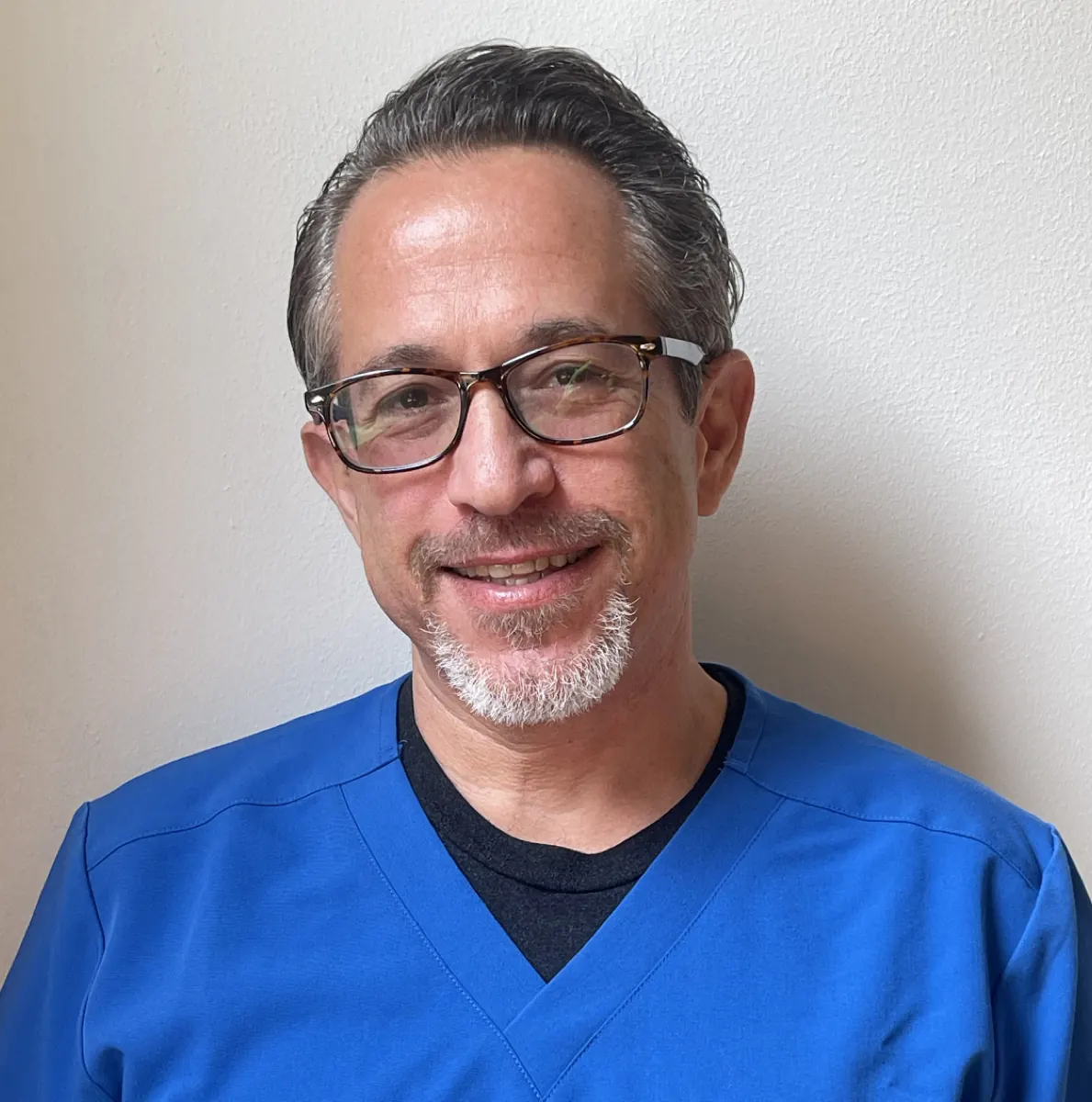
Medically Reviewed by Dr. Jason Z.W. Powers, MD, MAPP
Board-Certified in Family Medicine & Addiction Medicine | University of Pennsylvania
Understanding Adderall / Stimulant Addiction
Adderall, Vyvanse, Ritalin, and other prescription stimulants are commonly misused for focus, productivity, weight loss, or to stay awake. What starts as occasional "study drug" use or a way to keep up with demanding careers can develop into physical and psychological dependence. At Positive Recovery Centers, we help professionals and students break free from stimulant dependence without sacrificing their goals.
Common forms: Amphetamine/dextroamphetamine (Adderall), Lisdexamfetamine (Vyvanse), Methylphenidate (Ritalin, Concerta), Dextroamphetamine (Dexedrine)
Recognizing the Problem
Decreased appetite, weight loss, dilated pupils, dry mouth, increased heart rate, bursts of energy followed by crashes, insomnia (or sleeping for a full day after binges), grinding teeth, headaches, sweating.
Pulling all-nighters around exams or deadlines, taking higher doses than prescribed, taking it without a prescription, doctor-shopping or borrowing pills from friends, irritability when supply runs out, insistence that you can't function without it, work output that crashes when you stop.
Anxiety, paranoia, mood swings, declining academic or work performance over time despite using to enhance it, cardiac symptoms (chest pain, palpitations, high blood pressure), strained relationships, financial problems from buying off-prescription, possible stimulant-induced psychosis at high doses.
The Science
Stimulants increase dopamine and norepinephrine levels. Chronic misuse depletes these neurotransmitters, leading to fatigue, depression, and inability to concentrate without the drug, creating a cycle of dependence.
Stimulants raise heart rate and blood pressure. Misuse increases the risk of heart palpitations, arrhythmias, and in rare cases, sudden cardiac events, especially at high doses.
Chronic stimulant misuse causes anxiety, paranoia, irritability, insomnia, and in severe cases, stimulant-induced psychosis with hallucinations and delusions.
Appetite suppression leads to significant weight loss and malnutrition. Sleep deprivation compounds cognitive decline. The crash between doses causes profound fatigue.
How It Progresses
Often a friend's pill before an exam, or a real prescription used as directed. The focus, the energy, the productivity feel like a superpower.
Use becomes scheduled around exams, deadlines, big projects. Tolerance climbs. The dose creeps up. Sleep and appetite start to suffer.
You no longer feel functional without it. Off-days mean exhaustion, depression, and difficulty concentrating. You start running out before refills, sourcing pills from friends, doctor-shopping.
Anxiety, paranoia, cardiac symptoms, mood swings. Performance is now worse on the drug than it was before you started. The original goal (focus, productivity) is gone.
What to Expect
Reaching out can feel like the hardest step. Once you do, we walk you through the rest.
Someone on our team answers and listens, with no judgment.
We ask about ADHD diagnosis history, dose patterns, and verify insurance.
Most clients can do outpatient IOP. Heavy users with severe co-occurring symptoms may need residential.
Many clients start the same week. We handle logistics.
What to Expect
Withdrawal can be dangerous without medical supervision. Our medical team monitors you 24/7 and provides medication to keep you safe and comfortable. For a closer day-by-day look at the process, read our guide to what to expect during Adderall detox.
Extreme fatigue, excessive sleeping, increased appetite, depression. The body rebounds from the stimulant's effects.
Depression, difficulty concentrating, irritability, mood swings. Physical symptoms are not dangerous but psychological distress is real.
Brain chemistry begins to normalize. Cognitive function gradually improves. Cravings come in waves.
Full cognitive recovery may take months. Our IOP programs support students and professionals through this transition.
Your Treatment Path
Every person's path to recovery is different. We offer a full continuum of care so you get the right level of support at every stage.
Medically-supervised detox with 24/7 nursing care. 4-6 day programs with medication to manage withdrawal safely.
Learn About Detox24/7 inpatient care at 3 Texas campuses. Group therapy, individual counseling, family workshops, and the Positive Recovery curriculum.
Learn About ResidentialFlexible programming 3-4 days per week at 15+ Texas locations. Continue working or going to school while getting the support you need.
Learn About IOP
A Different Approach
At Positive Recovery, we believe addiction develops when happiness is pursued ineffectively, and recovery takes place when people pursue happiness the right way.
Our approach goes beyond addressing what's wrong. We help you cultivate positive emotions, meaningful relationships, engagement, and purpose so that a sober life is more rewarding than adderall / stimulant ever was.
Learn About Our ApproachEvidence-Based Care
There is no FDA-approved medication specifically for stimulant use disorder. Recovery comes from behavioral therapies, the Positive Recovery curriculum, and properly treating any underlying ADHD with safer approaches.
CBT identifies the patterns driving stimulant use: deadline anxiety, perfectionism, fear of falling behind, the belief that you cannot perform without it. Builds practical skills for handling those without the drug.
Tangible reinforcers for documented periods of sobriety. The most evidence-supported behavioral approach for stimulant use disorder. Helps the depleted dopamine system relearn natural rewards.
Many stimulant misusers have undiagnosed ADHD. Some have been diagnosed but never had the medication monitored properly. We do a fresh, careful psychiatric assessment so we know what we are actually treating.
For clients with confirmed ADHD who can't safely return to stimulants, non-stimulant medications (atomoxetine, guanfacine, bupropion) plus behavioral strategies can provide real focus and executive function support.
Especially valuable for stimulant clients because the cultural narrative says it is harmless productivity, not addiction. Hearing other professionals and students name the same patterns reduces shame and gives accountability.
Dr. Jason Powers' positive psychology framework. Especially important for stimulant recovery because so much identity is wrapped up in productivity and performance. Helps rebuild a life that is more rewarding than the next exam or deadline.
Dual Diagnosis
Stimulant misuse is almost always tangled up with another condition. Untreated or undertreated ADHD is the most common, but anxiety, depression, eating disorders, and sleep problems also frequently sit underneath.
High-dose stimulant misuse can cause anxiety, paranoia, mood swings, and at the extreme end, stimulant-induced psychosis. It also masks depression and exhaustion in the short term and worsens both over time. Treatment that addresses only the Adderall, without addressing what is underneath, almost always relapses.
Our team is trained to do a fresh psychiatric assessment, treat any underlying ADHD safely, and address co-occurring conditions during stimulant treatment.
For Families
Adderall is uniquely hard to talk about with families because the cultural narrative says it makes people more functional, not less. The student making straight A's, the professional landing the promotions. The crash, the irritability, the personality changes, the disappearing pills. Those are easier to dismiss as stress. They aren't.
Call us. We can help you understand whether what you're seeing meets clinical criteria for stimulant use disorder, and what a safe path off looks like. Many of our clients come in after a partner or parent has the conversation.
Adderall misuse is widespread on college campuses. Watch for crashes after exam weeks, weight loss, irritability, sleep problems, secrecy around pills. If your student does have real ADHD, the answer is proper assessment and proper monitoring, not unmonitored use.
Family workshops are part of our outpatient programs. Education, group sessions, and family therapy together. Recovery works better when the people closest to the client understand what is actually happening.
Common Questions
Yes. Adderall and other prescription stimulants are Schedule II controlled substances, in the same DEA category as cocaine and methamphetamine. Used as prescribed under medical supervision they are safe and effective for many people. Used in higher doses, more often, or without a prescription, they cause physical dependence, psychological dependence, and stimulant use disorder.
If you have a confirmed ADHD diagnosis, recovery does not necessarily mean abandoning ADHD treatment. It means doing it safely. We do a fresh psychiatric assessment, and if you are a candidate to return to stimulant medication later, we can plan a path with proper monitoring. For some clients, non-stimulant ADHD medications (atomoxetine, guanfacine, bupropion) plus behavioral strategies are a safer long-term answer.
The acute crash (extreme fatigue, depression, increased appetite, intense sleep) lasts 3-7 days. Cravings and mood instability can last several weeks. Anhedonia (the inability to feel pleasure naturally) can last a few months as the brain's dopamine system gradually heals. Most clients describe a noticeable lift in energy and clarity by the end of the first month, with continued improvement after that.
Most clients with stimulant misuse do well in outpatient IOP. Heavy users with severe co-occurring depression, suicidal ideation, or stimulant-induced psychosis benefit from a residential setting. Our admissions team helps you decide.
No. Treatment is protected by HIPAA and federal substance use confidentiality laws (42 CFR Part 2), which are stricter than standard HIPAA. We do not contact your employer or school. If you choose to use FMLA or short-term disability, we only release the documentation you authorize.
For most people, yes. Substance use disorder treatment is covered by most major insurance plans under the federal Mental Health Parity Act. We accept BCBS, Aetna, Cigna, UnitedHealthcare, and many others. Our admissions team can confirm exactly what your plan covers at no cost. Call 713-904-4699.
References
We Also Treat
Where We Treat
We treat Adderall and stimulant addiction across Texas. Start at our Houston treatment locations, our Dallas-Fort Worth treatment locations, or our Austin and Hill Country treatment locations, or browse all 20+ Positive Recovery locations to find the clinic closest to you.
Call now for a confidential consultation. Our admissions team is available 24/7.