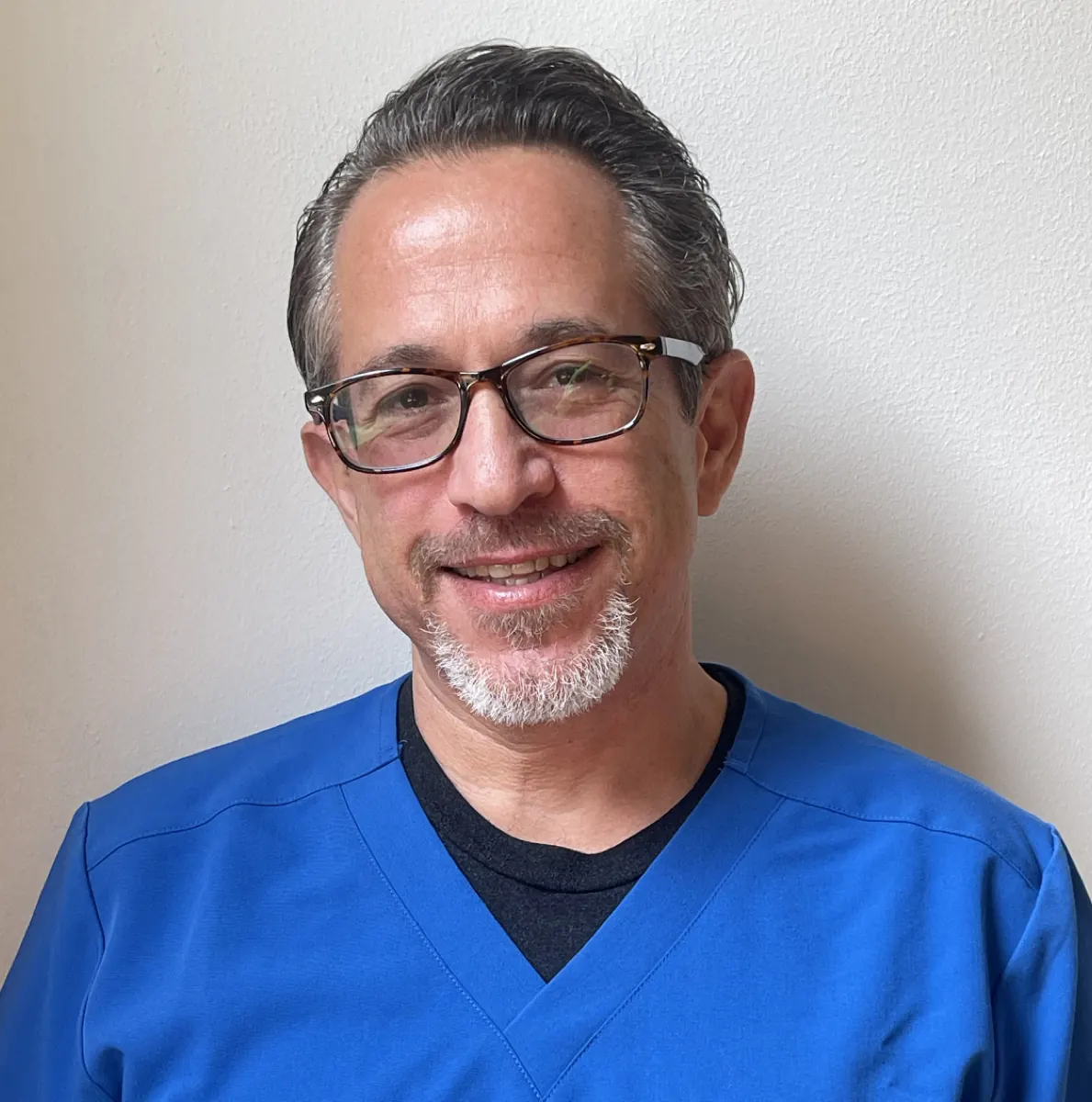
Medically Reviewed by Dr. Jason Z.W. Powers, MD, MAPP
Board-Certified in Family Medicine & Addiction Medicine | University of Pennsylvania
Understanding Cocaine Addiction
Cocaine creates one of the most psychologically powerful addictions of any substance. The intense but short-lived high drives a cycle of binging and crashing that can devastate careers, relationships, and health. At Positive Recovery Centers, our evidence-based programs help you break the cycle and build a life that is genuinely more fulfilling than cocaine ever was.
Common forms: Powder cocaine (hydrochloride), crack cocaine (freebase), cocaine mixed with fentanyl (increasingly common and deadly)

Recognizing the Problem
Dilated pupils, runny or bleeding nose, unexplained nosebleeds, weight loss, decreased appetite, hyperactivity followed by exhaustion, rapid speech, muscle twitches, dental damage from clenching.
Periods of intense energy and confidence followed by crashes of depression and exhaustion. Disappearing for weekends, frequent bathroom trips, erratic spending, unexplained financial problems, paranoid behavior, secretive phone use.
Strained relationships, missed work, declining performance, legal problems, cardiac symptoms (chest pain, palpitations), increased anxiety or panic attacks, inability to feel pleasure without using.
The Science
Cocaine blocks dopamine reuptake, flooding the brain with pleasure signals. Over time, the brain's natural dopamine system is depleted, leading to depression, anhedonia (inability to feel pleasure), and intense cravings between uses.
Cocaine constricts blood vessels, raises heart rate and blood pressure, and can cause heart attack, stroke, or aortic dissection even in young, otherwise healthy people. These cardiac events can happen on any use, not just heavy use.
Snorting cocaine damages the nasal septum and tissue. Crack cocaine smoking causes severe lung damage, chronic cough, and respiratory distress.
Chronic cocaine use triggers paranoia, anxiety, psychosis, and violent behavior. The crash after a binge brings severe depression, fatigue, and suicidal thoughts.
How It Progresses
Occasional use, often in social settings. Feels controllable. The crash is unpleasant but manageable.
Use becomes scheduled around weekends, work events, or specific social circles. Tolerance climbs. The amount needed for the same effect grows.
Binge-and-crash cycle takes over. Days lost to use, then days lost to recovering from use. Real consequences in work, money, and relationships start landing.
Cocaine is no longer optional. The brain's reward system is so depleted that nothing else feels good. Cardiac risk and overdose risk are real on every use.
What to Expect
Reaching out can feel like the hardest step. Once you do, we walk you through the rest.
Someone on our team answers and listens, with no judgment.
We ask about your situation and verify insurance at no cost.
Your care team recommends residential, PHP, or IOP based on what you need.
Many clients start the same day. We handle logistics.
What to Expect
Withdrawal can be dangerous without medical supervision. Our medical team monitors you 24/7 and provides medication to keep you safe and comfortable. For a deeper look at each phase and how long it lasts, see stimulant withdrawal: what to expect.
Exhaustion, depression, increased appetite, intense sleep. The crash begins as the drug wears off.
Depression, fatigue, difficulty concentrating, cravings, irritability, disturbed sleep. No life-threatening physical symptoms, but psychological distress is severe.
Cravings come in waves, mood instability, difficulty experiencing pleasure. Behavioral therapy is most effective during this phase.
Gradual restoration of normal brain chemistry. The Positive Recovery curriculum helps rebuild purpose, relationships, and natural sources of fulfillment.
Your Treatment Path
Every person's path to recovery is different. We offer a full continuum of care so you get the right level of support at every stage.
Medically-supervised detox with 24/7 nursing care. 4-6 day programs with medication to manage withdrawal safely.
Learn About Detox24/7 inpatient care at 3 Texas campuses. Group therapy, individual counseling, family workshops, and the Positive Recovery curriculum.
Learn About ResidentialFlexible programming 3-4 days per week at 15+ Texas locations. Continue working or going to school while getting the support you need.
Learn About IOP
A Different Approach
At Positive Recovery, we believe addiction develops when happiness is pursued ineffectively, and recovery takes place when people pursue happiness the right way.
Our approach goes beyond addressing what's wrong. We help you cultivate positive emotions, meaningful relationships, engagement, and purpose so that a sober life is more rewarding than cocaine ever was.
Learn About Our ApproachEvidence-Based Care
There is no FDA-approved medication for cocaine use disorder. Recovery comes from behavioral therapies, the Positive Recovery curriculum, and rebuilding the natural reward systems cocaine has depleted.
Identifies the triggers, thoughts, and patterns that drive cocaine use. Builds practical skills for handling cravings, social situations, and stressors without using.
One of the most evidence-supported approaches for stimulant use disorder. Tangible reinforcers for documented periods of sobriety help retrain the depleted reward system.
Strengthens internal motivation for change without arguing or moralizing. Especially useful when use has become tangled with identity, career, or social network.
Cocaine recovery happens in community. Hearing others name the same patterns, the same shame, the same comebacks normalizes the road and gives accountability.
Dr. Jason Powers' positive psychology framework. Builds engagement, meaning, and accomplishment so a sober life is more rewarding than cocaine ever was.
Cocaine use does damage to relationships that recovery does not automatically repair. Family sessions handle communication, boundaries, and healing together.
Dual Diagnosis
Cocaine use rarely shows up alone. Most clients we treat for cocaine are also dealing with one or more co-occurring conditions.
The cocaine high masks anxiety, depression, ADHD, PTSD, and bipolar symptoms. The cocaine crash makes them all worse. Treatment that addresses only the cocaine, without addressing what is underneath, almost always relapses.
Our team is trained to assess and treat co-occurring conditions during cocaine treatment, not afterward. Psychiatric care, medication management for the underlying disorder, and integrated therapy are all standard parts of our program.
For Families
If you are reading this for someone else, you have likely been watching the binge-and-crash pattern for a while. The promises, the missed days, the financial leak that does not add up, the version of them that comes back after a weekend. Cocaine pulls families apart slowly, and then quickly.
Call us. Even if your loved one is not ready, we can talk you through what their options will look like when they are, and how to have the conversation. Family-initiated calls are common.
Do not bankroll the use. Do not cover for them at work. Do not threaten and then back down. Boundaries that are honored, even imperfectly, do more than ultimatums that are not.
Every three weeks at our residential campuses. Groups, education, and family therapy together. Recovery works better when the family is part of the work.
Common Questions
Cocaine withdrawal is not life-threatening the way alcohol or benzo withdrawal can be, so medical detox is not always strictly required. But the psychological crash is severe (intense depression, suicidal ideation in some cases), and many clients benefit from the medical and emotional support of a structured detox setting before stepping into outpatient or residential treatment.
The acute crash lasts a few days to a week. Cravings come in waves for several weeks. Anhedonia (the inability to feel pleasure) can last a few months as the brain's dopamine system gradually restores itself. The Positive Recovery curriculum is specifically designed to help rebuild natural sources of fulfillment during this window.
There is no FDA-approved medication specifically for cocaine use disorder. Some clients benefit from medications that treat underlying anxiety, depression, or ADHD, which removes one of the drivers of cocaine use. The strongest evidence-based treatment for cocaine itself is contingency management combined with cognitive behavioral therapy.
It depends on the severity of use, your living environment, your physical health, and any co-occurring conditions. Heavy daily users with cardiac symptoms or severe co-occurring depression usually benefit from residential. Clients in stable home environments with weekend or party-pattern use often do well in IOP. Our admissions team helps you decide.
Usually, yes. Most major insurance plans cover substance use disorder treatment, backed by the federal Mental Health Parity Act. We accept BCBS, Aetna, Cigna, UnitedHealthcare, and many others. Call 713-904-4699 and our admissions team will verify your coverage at no cost before you commit to anything.
Yes, treatment is confidential under HIPAA and federal substance use confidentiality laws (42 CFR Part 2), which are stricter than standard HIPAA. We do not contact your employer. If you choose to use FMLA or short-term disability, we only release the documentation you authorize.
References
We Also Treat
Where We Treat
We treat cocaine addiction across Texas. Start at our Houston treatment locations, our Dallas-Fort Worth treatment locations, or our Austin and Hill Country treatment locations, or browse all 20+ Positive Recovery locations to find the clinic closest to you.
Call now for a confidential consultation. Our admissions team is available 24/7.