Inpatient housing at a Positive Recovery residential campus for stimulant detox

Medical Detox · Stimulants

Stimulant Withdrawal: What to Expect

Methamphetamine, cocaine, and prescription stimulants like Adderall all share a common withdrawal pattern. The body does not usually go into medical crisis. The mind does. PRC builds detox around the psychiatric crash and the long recovery that follows.

Call Now: 713-904-4699 Verify Insurance
3 Residential Campuses Houston · Hill Country · DFW
Joint Commission Gold Seal of Approval
Joint Commission Gold Seal Accredited
24/7 Confidential Care Admissions any time, day or night
Dr. Jason Z.W. Powers
Medically Reviewed by Dr. Jason Z.W. Powers, MD, MAPP Board-Certified in Family Medicine & Addiction Medicine | University of Pennsylvania

Why Supervision Matters

Why Stimulant Withdrawal Needs Medical Supervision

Stimulants flood the brain with dopamine and norepinephrine, far above what the brain produces on its own. Use them long enough and the brain's dopamine system goes quiet because the drug is doing the work.

When you stop, the dopamine deficit is immediate. The body itself is not usually in mortal danger. There are no alcohol-style seizures and there is no opioid-style physical agony. What there is, instead, is a brutal psychiatric crash. Crushing fatigue. Deep depression. Anhedonia. Sometimes paranoia. Often active suicidal ideation.

That last item is the medical reason for supervised detox. Stimulant clients are at higher-than-average risk of self-harm during the crash window. The dopamine deficit creates a state where the world feels hopeless and the future feels gray. That feeling is real and it is also temporary. The job of detox is to get you through it in a safe environment with people watching.

For meth and cocaine specifically, there are also cardiovascular concerns. Chronic stimulant use damages the heart and blood vessels. Our medical team monitors vital signs throughout detox, and clients with significant cardiac history receive closer monitoring.

There is no MAT for stimulants. The protocol is rest, food, hydration, sleep restoration, psychiatric support, and patient time. Recovery from stimulant use takes longer than most other substances because the dopamine system rebuilds slowly. PAWS commonly lasts months.
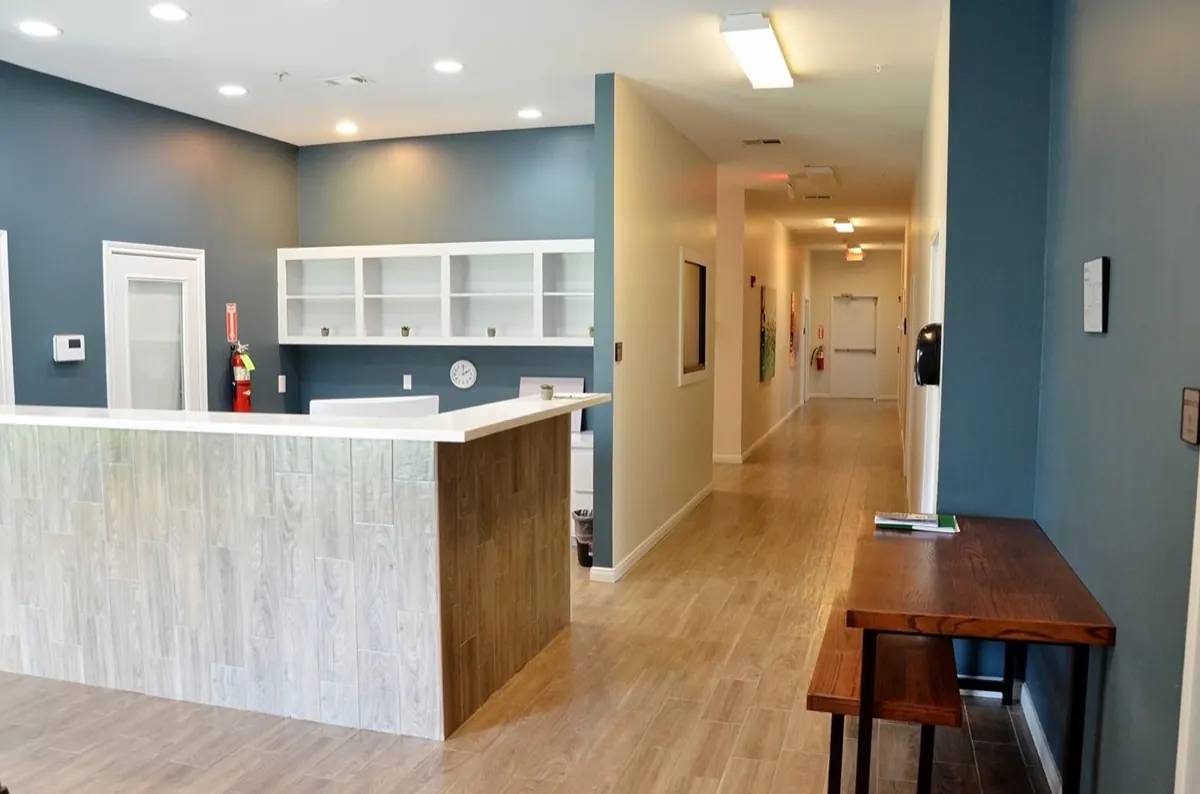

Residential bedroom at Positive Recovery Centers

The Withdrawal Timeline

What Stimulant Withdrawal Looks Like Over Time

The crash window is dramatic. The PAWS window is long. Meth withdrawal generally runs longer than cocaine withdrawal because meth stays in the system longer and the neurological damage tends to be more substantial. Prescription stimulants fall in between.

Phase 1

The Crash

24 to 72 hours

Crushing fatigue, extreme hunger, deep sleep that can run 14+ hours at a stretch, irritability, low mood. The body is paying back the sleep and food debt the drug suppressed.

Phase 2

Acute Withdrawal

1 to 2 weeks

Deep depression, anhedonia, slow cognition, possible suicidal ideation, intense cravings, vivid dreams. Peak psychiatric risk window. 24/7 nursing observation throughout.

Phase 3

Stabilization

2 to 4 weeks

Mood lifts in waves. Energy starts to return. Concentration is still poor. Most clients step down into residential treatment or PHP around this point.

Phase 4

PAWS

Months to a year

Low motivation, blunted pleasure response, sleep disturbance, and waves of craving as the dopamine system rebuilds. The single longest PAWS window of any substance class.

Bedroom where stimulant withdrawal clients rest at the Hill Country campus

What We Use to Support You

How We Support Stimulant Withdrawal

There is no MAT for stimulants. No Suboxone, no methadone, no naltrexone-equivalent. The protocol is supportive care, psychiatric support, and time.

  • Structured rest and sleep restoration The crash phase needs deep, uninterrupted sleep. Private rooms, dark blackout shades, and a schedule built around recovery sleep, not therapy intensity.
  • Nutritional rehabilitation Many stimulant clients arrive underweight after months of suppressed appetite. Regular meals, IV fluids when needed, vitamin replacement, and dietitian input to rebuild what was lost.
  • Suicidality monitoring Continuous nursing observation during the crash window. Any self-harm signal triggers immediate psychiatric evaluation and safety planning. This is the single most important medical function for stimulant detox.
  • Cardiovascular assessment Cocaine and methamphetamine damage the heart and blood vessels over time. Cardiac workup at admission identifies clients who need closer monitoring during withdrawal and beyond.
  • Psychiatric medications (case by case) SSRIs and other antidepressants may be introduced for clients with significant pre-existing depression or whose crash is unusually severe. Decisions are made by the psychiatric team, not by protocol.
  • Comfort medications Sleep aids, non-opioid pain relief, antihistamines for restlessness. Layered as needed during the acute window.

Why People Pick PRC

Why Clients Choose Positive Recovery for Stimulant Detox

24/7 Nursing

Around-the-clock observation matters most for stimulant detox during the psychiatric crash. Nurses watch for suicidality, severe depression, and dehydration the moment they appear.

Psychiatric Team

Psychiatry is the lead specialty for stimulant detox. PRC has psychiatric NPs and physicians on staff to manage the crash and the long PAWS that follows.

Private Rooms

The crash phase needs deep, uninterrupted sleep. Private rooms with blackout-quality dark and quiet are the single most important comfort intervention for stimulant detox.

Long-Term Continuum

Stimulant recovery needs months, not weeks. Detox flows directly into residential, PHP, IOP, and aftercare on the same campus. Same team carries through the long PAWS window.

Family Kept Informed

Designated loved ones get regular updates with your consent. Families who have been waiting for this moment for years finally get clear answers about how you are doing.

Joint Commission Accredited

Every detox protocol meets Joint Commission accreditation requirements. Same gold-seal standards used by leading hospitals.

Where We Offer Stimulant Detox

Three Residential Campuses Across Texas

Houston, Texas skyline

Garden Oaks (Houston)

Houston, TX. Flagship residential campus with psychiatric team on site.

Houston Stimulant Detox
Texas Hill Country residential campus

Hill Country (Spicewood)

120 acres outside Austin. Quiet, low-stimulation environment ideal for the crash phase.

Hill Country Stimulant Detox
Dallas, Texas skyline

DFW Campus (Euless)

Serving the entire Dallas-Fort Worth metro. Psychiatric support for stimulant detox.

DFW Stimulant Detox

For more on specific stimulants, read about meth addiction, cocaine addiction, or Adderall addiction.

Positive Recovery Commitment Program

Our Commitment to You

The Private Pay Promise

Complete your full program of care and follow discharge recommendations. If you relapse within a year, return once for stabilization at no additional cost.*

Learn About Our Commitment Program

Other Substance Detox Guides

Related Detox Resources

If You Are Afraid of Detox, That Is the Right Reaction

Stimulant withdrawal is hard because the crash is psychiatric, not physical, and that is exactly the kind of pain people try to ride out alone. You don't have to. Let us walk you through it. Confidential assessment, available any hour of the day.

Call 713-904-4699 Verify Insurance