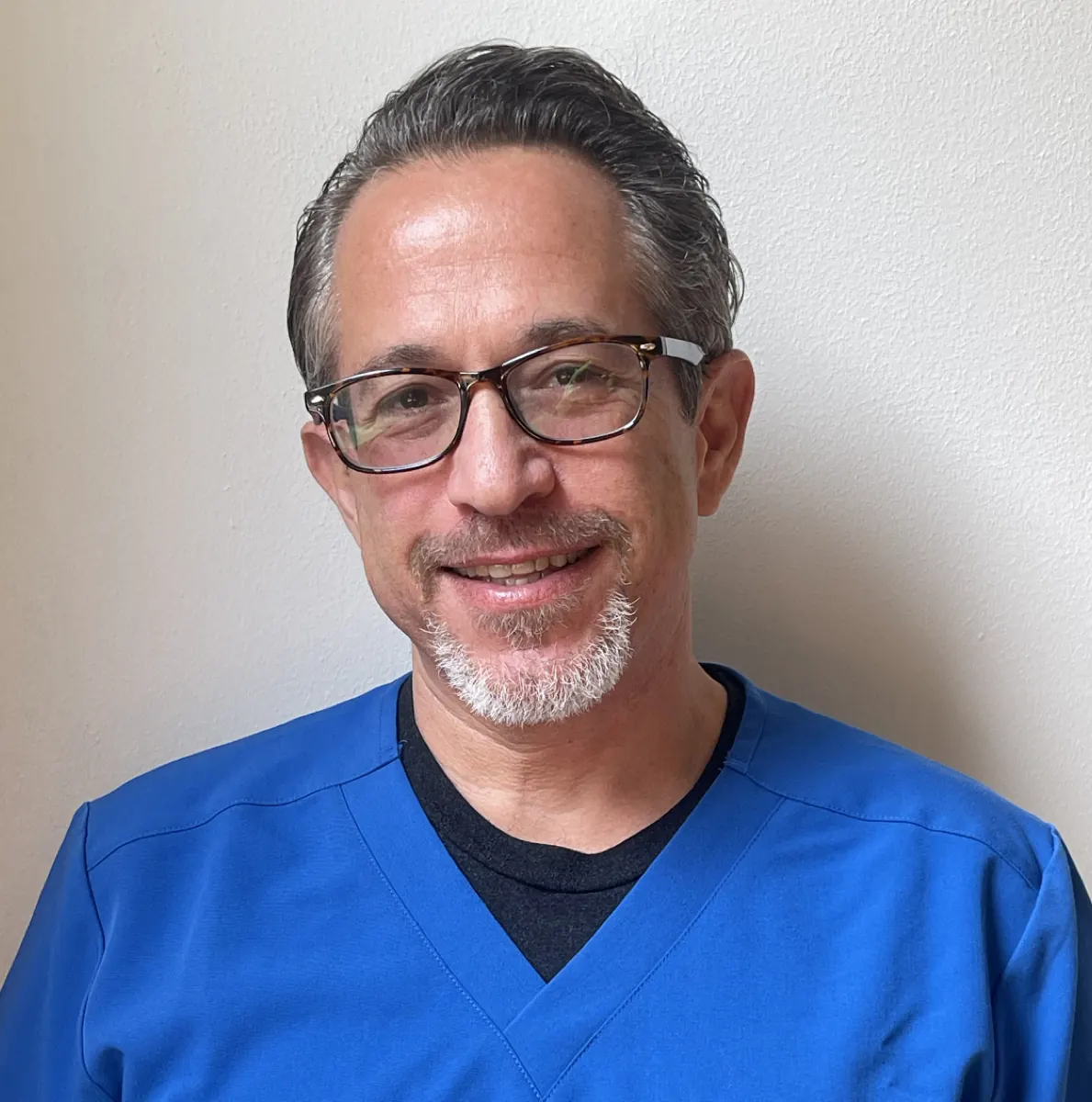
Medically Reviewed by Dr. Jason Z.W. Powers, MD, MAPP
Board-Certified in Family Medicine & Addiction Medicine | University of Pennsylvania
Understanding Heroin Addiction
Drug poisoning is now the leading cause of injury-related death for Texans aged 24 to 69. Texas drug deaths increased 80% between 2019 and 2024, driven largely by opioids and synthetic opioids like fentanyl.
Heroin is an illegal opioid derived from morphine. It can be injected, smoked, or snorted. Today's heroin supply is increasingly contaminated with fentanyl, making every use potentially fatal. The person using heroin often started as a patient taking prescribed medication. Understanding this progression removes shame and opens the door to treatment.
If you or someone you love has progressed to heroin use, please do not wait. The fentanyl contamination in today's heroin supply makes every use a gamble with life. Help is available right now.
Forms of heroin: Black tar heroin, white powder heroin, brown powder heroin. Today's heroin is increasingly laced with fentanyl, making it far more dangerous than in previous decades.
Your message is confidential, and someone from our team will reach out to you soon.
Protected by HIPAA. Your information is private.
Recognizing the Signs
Track marks or bruises on arms, legs, or feet. Constricted "pinpoint" pupils. Extreme drowsiness or "nodding off" mid-conversation. Runny nose, flushed skin, severe constipation. Rapid weight loss. Finding needles, spoons, rubber tubing, or small bags.
Disappearing for hours with no explanation. Wearing long sleeves in warm weather. Borrowing or stealing money. Lying about whereabouts. Selling possessions. Associating with new, unknown people. Complete personality change.
Loss of employment, housing, or custody. Criminal charges (possession, theft). Repeated emergency room visits or overdoses. Hepatitis C or HIV diagnosis. Complete withdrawal from family. Homelessness. Continued use despite near-death experiences.
The Science
Heroin devastates the body rapidly. Understanding the damage helps explain the urgency of treatment.
Heroin floods the brain with dopamine beyond anything natural rewards can produce. The brain stops producing its own dopamine, making it impossible to feel pleasure, motivation, or even normalcy without the drug. This is not weakness. It is brain chemistry.
Heroin slows breathing to dangerous levels. With fentanyl now contaminating most heroin supplies, the overdose risk is higher than ever. Mixing heroin with alcohol or benzodiazepines compounds the danger. Narcan can reverse an overdose but every second counts.
Injection heroin use carries serious risks: HIV, hepatitis B and C, endocarditis (heart valve infection), abscesses, collapsed veins, and skin infections. Even without injection, chronic heroin use causes severe constipation, malnutrition, dental decay, kidney and liver damage, and weakened immunity.
The Prescription-to-Heroin Pipeline
It starts with a legitimate prescription for pain. Surgery, injury, chronic condition. The medication works.
Tolerance builds. The prescribed dose stops working. Taking more, refilling early, using for emotional pain, not just physical.
Prescriptions run out or get cut off. Withdrawal is unbearable. Heroin is cheaper and easier to get than pills on the street.
Full heroin dependence. Every day revolves around using and obtaining. Fentanyl contamination makes every dose a potential death sentence. Medical detox is urgent.
What to Expect
Reaching out can feel like the hardest step. Once you do, we walk you through the rest.
Someone on our team answers and listens, with no judgment.
We ask about your situation and verify insurance at no cost.
Your care team recommends detox, residential, or outpatient.
Many clients start the same day. We handle logistics.
Withdrawal
Heroin withdrawal is intensely painful but manageable with medical supervision. Our team provides 24/7 care with medication-assisted treatment to keep you safe and as comfortable as possible.
Anxiety, muscle aches, sweating, yawning, runny nose. Begins 6-12 hours after the last dose. Feels like severe flu at first.
Severe muscle and bone pain, cramping, vomiting, diarrhea, goosebumps, insomnia. The most physically miserable phase. Medical support makes a critical difference.
Physical symptoms begin to resolve. Depression, irritability, and cravings intensify. MAT (Suboxone) helps stabilize brain chemistry.
Acute withdrawal resolves but cravings and mood instability can persist for months. Continued treatment through residential or IOP is critical to prevent relapse.
Your Treatment Path
Every person's path to recovery is different. We offer a full continuum of care so you get the right level of support at every stage.
Medically-supervised detox with 24/7 nursing care. 4-6 day programs with medication to manage withdrawal safely.
Learn About Detox24/7 inpatient care at 3 Texas campuses. Group therapy, individual counseling, family workshops, and the Positive Recovery curriculum.
Learn About ResidentialFlexible programming 3-4 days per week at 15+ Texas locations. Continue working or going to school while getting the support you need.
Learn About IOPA Different Approach
Heroin provided an escape from pain. Our approach helps you build a life where escape is no longer necessary, through positive emotions, meaningful relationships, engagement, purpose, and achievement.
When your life is genuinely fulfilling, heroin loses its power. This is what makes us different from traditional programs that focus only on what's wrong.
Learn About Our ApproachMedication-Assisted Treatment (MAT)
FDA-approved medications help manage withdrawal, reduce cravings, and support long-term recovery. MAT is always combined with therapy.
Partial opioid agonist that reduces cravings and withdrawal without producing the full high. Gold standard for opioid MAT. Can be prescribed in outpatient settings.
Reduces anxiety, agitation, muscle aches, and sweating during acute detox. Not an opioid itself.
Blocks opioid effects entirely. Monthly injection prevents relapse. Used after detox is complete.
Monthly buprenorphine injection. Steady medication levels without daily dosing.

All medications are prescribed and monitored by our physicians. MAT is most effective combined with behavioral therapy and our Positive Recovery curriculum.
Co-Occurring Disorders
Heroin use almost always co-occurs with other conditions: chronic pain that started the opioid use, depression, anxiety, PTSD, or trauma. Many users are self-medicating emotional pain that was never properly treated.
At Positive Recovery, we treat the whole person. Our clinicians address co-occurring disorders alongside opioid addiction with coordinated care.

"The staff is great, very knowledgeable, and helpful in your recovery. This is a very good place to go."Ben Staton Google Review
For Families
Living with the fear that today might be the day you get the call. The lies, the stealing, the disappearing. You love them, and you are terrified.
You are not helpless. Keep Narcan in your home and car. Learn the signs of overdose. Our family workshops help you set boundaries that could save their life, communicate without enabling, and prepare for the moment they are ready. Call us even if they are not ready yet.
Common Questions
Heroin withdrawal is extremely uncomfortable but rarely life-threatening with medical supervision. The real danger is quitting alone and relapsing. Tolerance drops rapidly during withdrawal, and a single dose after a few days of abstinence, especially with fentanyl-laced heroin, can be fatal.
Acute heroin withdrawal lasts 5-7 days, peaking around days 2-3. Our medical detox runs 4-7 days with MAT support. Post-acute symptoms can persist for weeks to months.
Not necessarily. Some clients use MAT short-term during detox and early recovery, then taper off. Others benefit from longer-term MAT. Our medical team works with you to find the right approach.
Very common. About 80% of heroin users started with prescription opioids. When prescriptions became unavailable or too expensive, heroin was cheaper and easier to get. This progression is a well-documented medical phenomenon, not a moral failure. You deserve treatment, not judgment.
Yes. The Mental Health Parity Act requires most plans to cover substance abuse treatment. We're in-network with BCBS, Aetna, Cigna, UnitedHealthcare, and many others. Call 713-904-4699 for free verification.
This is urgent because of fentanyl contamination. Keep Narcan accessible. Stop giving money. Set clear boundaries. Call us to discuss intervention options. Many families find that a professional intervention, combined with having a treatment bed ready, creates the moment of clarity needed.
After medical detox (5-7 days), most heroin clients benefit from residential treatment before stepping down to outpatient. Our residential programs at Garden Oaks, Hill Country, and DFW provide the structure needed for early heroin recovery. IOP follows when you are ready.
We Also Treat
This page is for informational purposes only and does not constitute medical advice. Consult a qualified healthcare professional for diagnosis and treatment.
Where We Treat
We treat heroin addiction across Texas. Start at our Houston treatment locations, our Dallas-Fort Worth treatment locations, or our Austin and Hill Country treatment locations, or browse all 20+ Positive Recovery locations to find the clinic closest to you.
Today's heroin carries real risks, and help is within reach. Our admissions team is here 24/7 whenever you are ready to talk.