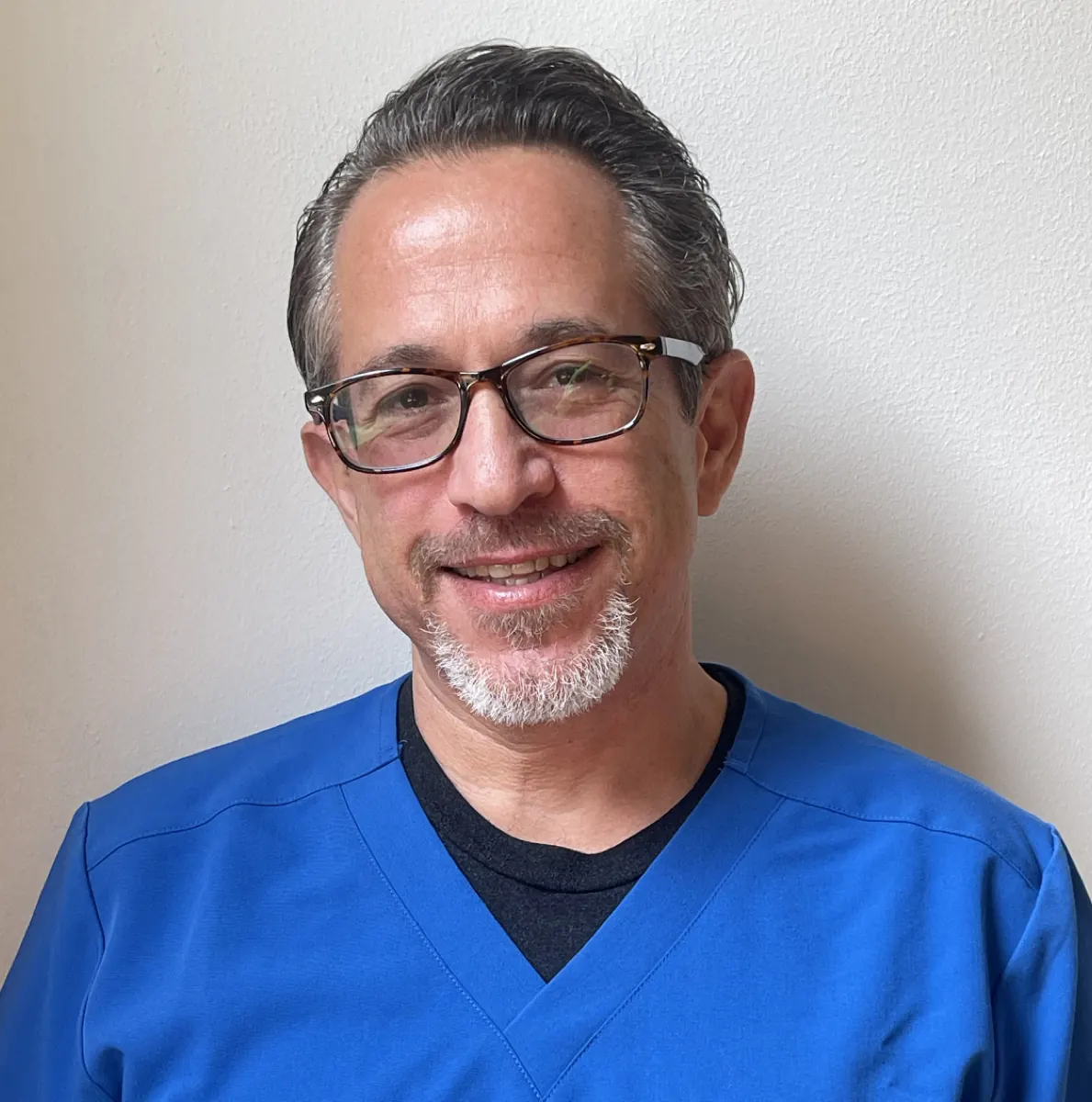
Medically Reviewed by Dr. Jason Z.W. Powers, MD, MAPP
Board-Certified in Family Medicine & Addiction Medicine | University of Pennsylvania
Understanding the Problem
Alcohol is the most commonly abused substance in the United States. In Texas alone, more than 7,000 people die from alcohol-related causes every year.
Alcohol use disorder (AUD) develops gradually, and many people don't recognize they have a problem until the consequences become severe. Physical dependence on alcohol makes quitting dangerous without medical supervision, as withdrawal symptoms can range from uncomfortable to life-threatening.
If you or someone you love is struggling with alcohol, you're not alone, and help is available. Recovery is possible, and it starts with reaching out.
Your message is confidential, and someone from our team will reach out to you soon.
Protected by HIPAA. Your information is private.
Recognizing the Signs
Increased tolerance (needing more to feel effects), withdrawal symptoms when not drinking (shaking, sweating, nausea), drinking to avoid withdrawal, neglecting personal hygiene or health.
Drinking more or longer than intended, unsuccessful attempts to cut down, spending significant time obtaining or recovering from alcohol, giving up activities you once enjoyed.
Strained relationships with family and friends, problems at work or school, drinking despite knowing it causes problems, isolation or secrecy around drinking habits.
The Science
Understanding the physical impact of alcohol can help motivate change. The good news: many of these effects are reversible with sustained recovery.
Alcohol disrupts the balance between GABA (calming) and glutamate (excitatory) neurotransmitters. Over time, the brain adapts to alcohol's depressant effects by overproducing stimulating chemicals. This is why stopping suddenly causes anxiety, tremors, and seizures. Chronic use can cause memory problems, impaired judgment, and difficulty concentrating.
The liver processes alcohol, but chronic heavy drinking causes fatty liver, alcoholic hepatitis, fibrosis, and cirrhosis. According to the National Institute on Alcohol Abuse and Alcoholism, liver disease is one of the leading causes of alcohol-related death. Early-stage liver damage is often reversible with abstinence.
Heavy drinking raises blood pressure, increases the risk of cardiomyopathy (weakened heart muscle), arrhythmias, and stroke. These cardiovascular effects can develop over years of heavy use and represent a serious long-term health risk.
Alcohol weakens the immune system, making you more susceptible to infections like pneumonia and tuberculosis. Even a single episode of heavy drinking can impair immune function for up to 24 hours.
Alcohol causes the pancreas to produce toxic substances that can lead to pancreatitis, a dangerous inflammation. It also irritates the stomach lining, causing gastritis, ulcers, and acid reflux, and impairs nutrient absorption.
The National Cancer Institute identifies alcohol as a known human carcinogen. Regular heavy drinking increases the risk of cancers of the mouth, throat, esophagus, liver, breast, and colon. Risk increases with the amount consumed.
The Progression
Alcohol use disorder develops gradually. Understanding where you or your loved one falls on this spectrum can help clarify the level of care needed.
Drinking in social settings. No negative consequences. Able to stop without difficulty.
Drinking to cope with stress. Occasional blackouts. Drinking more than intended. Minor consequences at work or home.
Increased tolerance. Withdrawal symptoms when not drinking. Failed attempts to cut back. Drinking despite consequences.
Loss of control. Physical dependence. Severe consequences. Medical detox is needed to stop safely. Professional treatment is critical.
No matter where you are on this spectrum, help is available. Earlier intervention leads to better outcomes.
Call for a Free AssessmentSelf-Assessment
Take this quick, confidential assessment. It only takes 2 minutes.
Your assessment is confidential. We'll personalize your results and recommendations.
If your results suggest you may benefit from a conversation with a counselor, we'd like to be able to follow up. This is completely optional.
Based on your answers...
This self-assessment is not a medical diagnosis. A professional evaluation is recommended.
What to Expect
Reaching out can feel like the hardest step. Once you do, we walk you through the rest.
Someone on our team answers and listens. You can share as much or as little as you are ready to.
We ask about your situation and verify your insurance at no cost.
Your care team recommends the right level of treatment for you.
Many clients begin treatment the same day. We handle the logistics.
What to Expect
Alcohol withdrawal can be dangerous without medical supervision. At Positive Recovery, our medical team monitors you 24/7 and administers medication to keep you safe and comfortable.
Anxiety, insomnia, nausea, shaking, sweating. Symptoms may begin within hours of the last drink.
Increased blood pressure, elevated heart rate, confusion, fever. Medical monitoring is critical during this phase.
Risk of delirium tremens (DTs) in severe cases. Hallucinations, seizures possible. Our medical team provides round-the-clock care.
Symptoms begin to subside. Our team prepares you for the next phase of treatment, whether residential or outpatient.
Your Treatment Path
Every person's path to recovery is different. We offer a full continuum of care so you get the right level of support at every stage.
Medically-supervised alcohol detox with 24/7 nursing care. 4-6 day programs with medication to manage withdrawal safely.
Learn About Detox24/7 inpatient care at 3 Texas campuses. Group therapy, individual counseling, family workshops, and the Positive Recovery curriculum.
Learn About ResidentialMost intensive outpatient option. 5 days a week, several hours per day. Right step after detox or for clients who need clinical structure without leaving home.
Learn About PHPFlexible programming 3-4 days per week at 15+ Texas locations. Continue working or going to school while getting the support you need.
Learn About IOP
A Different Approach
At Positive Recovery, we believe that addiction develops when happiness is pursued ineffectively, and recovery takes place when people pursue happiness the right way.
Our approach, created by Dr. Jason Z.W. Powers (MD, MAPP from the University of Pennsylvania), goes beyond addressing what's wrong. We help you cultivate positive emotions, meaningful relationships, engagement, and purpose so that a sober life is more rewarding than alcohol ever was.
This is what makes us different from traditional 12-step-only programs. We combine the best of evidence-based treatment with the science of well-being.
Learn About Our ApproachCo-Occurring Disorders
Many people struggling with alcohol also face mental health conditions like depression, anxiety, PTSD, or bipolar disorder. Treating one without the other often leads to relapse.
At Positive Recovery Centers, we treat the whole person. Our clinicians are trained to identify and address co-occurring disorders alongside alcohol addiction. This integrated approach means you receive coordinated care for both conditions simultaneously, rather than being bounced between separate providers.
Common co-occurring conditions we treat alongside alcohol use disorder:

Evidence-Based Care
Our treatment combines multiple evidence-based approaches with our proprietary Positive Recovery curriculum. Here are the specific therapies our clinical team uses.
Identifies and changes negative thought patterns that drive drinking behavior. Helps develop practical coping strategies for triggers and cravings.
Teaches mindfulness, distress tolerance, emotion regulation, and interpersonal skills. Especially effective for clients with co-occurring emotional dysregulation.
A collaborative approach that strengthens your personal motivation for change. Helps resolve ambivalence about treatment and recovery.
Our proprietary approach created by Dr. Jason Powers, blending positive psychology with clinical treatment. Focuses on cultivating positive emotions, engagement, relationships, meaning, and achievement.
Structured introduction to the principles and community of 12-step recovery programs like AA. Builds a peer support network that extends beyond treatment.
Addresses how addiction affects the entire family unit. Improves communication, rebuilds trust, sets healthy boundaries, and creates a supportive recovery environment at home.
Medical Support
Our medical team may prescribe medications to help manage withdrawal safely and reduce the risk of relapse. These are always used alongside therapy, never as a standalone solution.
Prescribed during detox to reduce the risk of seizures and manage the acute phase of alcohol withdrawal safely.
Minimizes alcohol cravings and causes unpleasant physical reactions if alcohol is consumed, supporting abstinence.
Blocks the feel-good receptors activated by alcohol, reducing cravings and the reward associated with drinking.
Thiamine, magnesium, and folic acid address nutrient deficiencies caused by chronic alcohol use.
Can minimize alcohol consumption and extend periods of abstinence in later recovery stages.

All medications are prescribed and monitored by our physicians. We never use medication as a replacement for therapy. Our approach combines medical support with the Positive Recovery curriculum for the best outcomes.
Real Reviews
"Positive Recovery Centers literally saved my life. I came in broken and hopeless, and left with the tools to live a meaningful, sober life. The staff genuinely cares about every single person who walks through their doors."Jordan A. Google Review
"I now live with peace and freedom since working on my strengths through the positive recovery curriculum. I highly recommend the work of Positive Recovery Centers and its amazing staff!"Faithe Bowen Google Review
"The facility is beautiful and the staff is caring, knowledgeable, and invested in the clients. I learned a lot about myself that I still use today and would recommend Positive Recovery to my friends and family."Andrea Olivas Google Review
After Treatment
Regular structured group meetings led by licensed counselors. Peer support, accountability, and sober social engagement. Our alumni community is active and welcoming. Many graduates voluntarily attend for years after completing treatment.
Learn About Aftercare →Transitional housing in a safe, substance-free environment. Ideal for those who need a stable living situation while completing outpatient treatment. Available at our Montrose and DFW/Euless campuses.
Learn About Sober Living →Before you leave treatment, your team creates a personalized relapse prevention plan. This includes identifying triggers, building coping strategies, connecting with community support, and scheduling ongoing care.
Learn About Long-Term Care →For private pay residential clients: if you relapse within one year of discharge, you can return once for stabilization at no additional cost. We stand behind our program and the people we serve.
Learn About the Commitment →
For Families
If you're searching for help for a family member, partner, or friend, know that your concern is valid and your instinct to help is right.
Alcohol addiction affects the entire family. You may be dealing with broken trust, financial strain, fear for their safety, or the exhaustion of trying to help someone who isn't ready. We understand, and we are here for you too.
Our family workshops and counseling sessions help loved ones understand addiction, set healthy boundaries, communicate effectively, and support the recovery process without enabling. Even if the person you love isn't ready for treatment yet, we can help you.
Common Questions
Yes, it can be. Alcohol withdrawal can cause serious and potentially life-threatening symptoms including seizures and delirium tremens (DTs). Medical detox provides 24/7 monitoring and medication to manage withdrawal safely. We strongly recommend professional medical supervision rather than quitting cold turkey.
Alcohol detox at Positive Recovery typically lasts 4-6 days, although this varies based on the severity of dependence, overall health, and individual factors. Withdrawal symptoms usually peak within 48-72 hours and begin to subside after that.
Detox is just the first step. After detox, your treatment team will recommend the next level of care based on your progress and needs. This may include residential treatment, PHP (day treatment), or IOP (outpatient). Continued treatment after detox is critical for long-term recovery.
Yes, most major insurance plans cover substance abuse treatment. We are in-network with BlueCross BlueShield, Aetna, Cigna, UnitedHealthcare, and many other providers. Our admissions team will verify your benefits at no cost and explain your coverage in plain language. Call 713-904-4699 to get started.
Yes, if outpatient treatment is appropriate for your situation. Our IOP program runs 3-4 days per week with day and evening options, allowing you to continue working or attending school. We have 15+ outpatient locations across Texas to make access convenient.
This is one of the hardest situations a family can face. You cannot force someone into treatment, but you can set boundaries, stop enabling, and take care of yourself. Our admissions team can talk you through your options, including professional intervention services. Sometimes the most powerful thing you can do is call and get guidance for yourself first. We're here at 713-904-4699.
Research shows that genetics account for about 50% of the risk for alcohol use disorder. If you have a parent or close family member with alcohol addiction, your risk is higher. However, genetics are not destiny. Environmental factors, mental health, stress, and social influences all play a role. Treatment works regardless of family history.
Alcohol abuse refers to a pattern of drinking that causes harm or puts you at risk, but without physical dependence. Alcohol dependence (addiction) means your body has adapted to alcohol and you experience withdrawal symptoms when you stop. Both benefit from professional treatment, but dependence typically requires medical detox as a first step.
We Also Treat
Related Reading
Practical advice for navigating your first sober holiday season.
Read MoreWhat most people get wrong about addiction, and what the science actually says.
Read MoreReal benefits of sobriety that go far beyond just not drinking.
Read MoreThis page is for informational purposes only and does not constitute medical advice. Always consult with a qualified healthcare professional for diagnosis and treatment of alcohol use disorder.
Where We Treat
We treat alcohol addiction across Texas. Start at our Houston treatment locations, our Dallas-Fort Worth treatment locations, or our Austin and Hill Country treatment locations, or browse all 20+ Positive Recovery locations to find the clinic closest to you.
Call now for a confidential consultation. Our admissions team is available 24/7.