Substance Abuse Treatment

Kratom Addiction Treatment in Texas

Kratom is a plant-based substance that acts on opioid receptors in the brain. Although legal in Texas, kratom is not safe and is not regulated for purity or potency. The newer derivative 7-hydroxymitragynine (7-OH) is significantly more potent and is...

Call Now: 713-904-4699 Verify Insurance
Medically Reviewed by Dr. Jason Z.W. Powers, MD, MAPP | Chief Medical Officer, Positive Recovery Centers | Last updated April 2026
192
Texas poison control calls (2025)
Legal
But not safe or regulated
20+
Our Texas treatment locations
24/7
Help available right now

On This Page

Understanding Kratom The 7-OH Threat Signs of Use Effects on Body Stages of Use What to Expect Withdrawal Timeline Treatment Options Therapies We Use Dual Diagnosis For Families FAQ

Understanding Kratom Addiction

Kratom Addiction is Treatable

Kratom is a plant-based substance from the leaves of Mitragyna speciosa, a tree native to Southeast Asia. Its main alkaloids, mitragynine and 7-hydroxymitragynine, act on the same brain receptors as opioids. At low doses kratom acts like a stimulant. At higher doses it acts like an opioid. Although legal in Texas, kratom is not safe and is not regulated for purity or potency. The newer concentrated derivative 7-hydroxymitragynine (7-OH) is significantly more potent and is driving a surge in addiction and poison control calls. At Positive Recovery Centers, we treat kratom addiction with the same medical care and respect as any opioid use disorder.

Common forms: Kratom powder, kratom capsules, kratom extracts, kratom shots and drinks, 7-hydroxymitragynine (7-OH) tablets and gummies, "feel free" tonics, "OPMS Black" liquid shots

Common pattern: Many people start kratom trying to self-treat opioid withdrawal, chronic pain, anxiety, or low energy. The plant gets sold as a "natural" or "herbal" supplement, which makes the dependence that follows feel surprising and shameful. It should not. Kratom binds the same receptors as morphine. The body responds the way it does to any opioid.
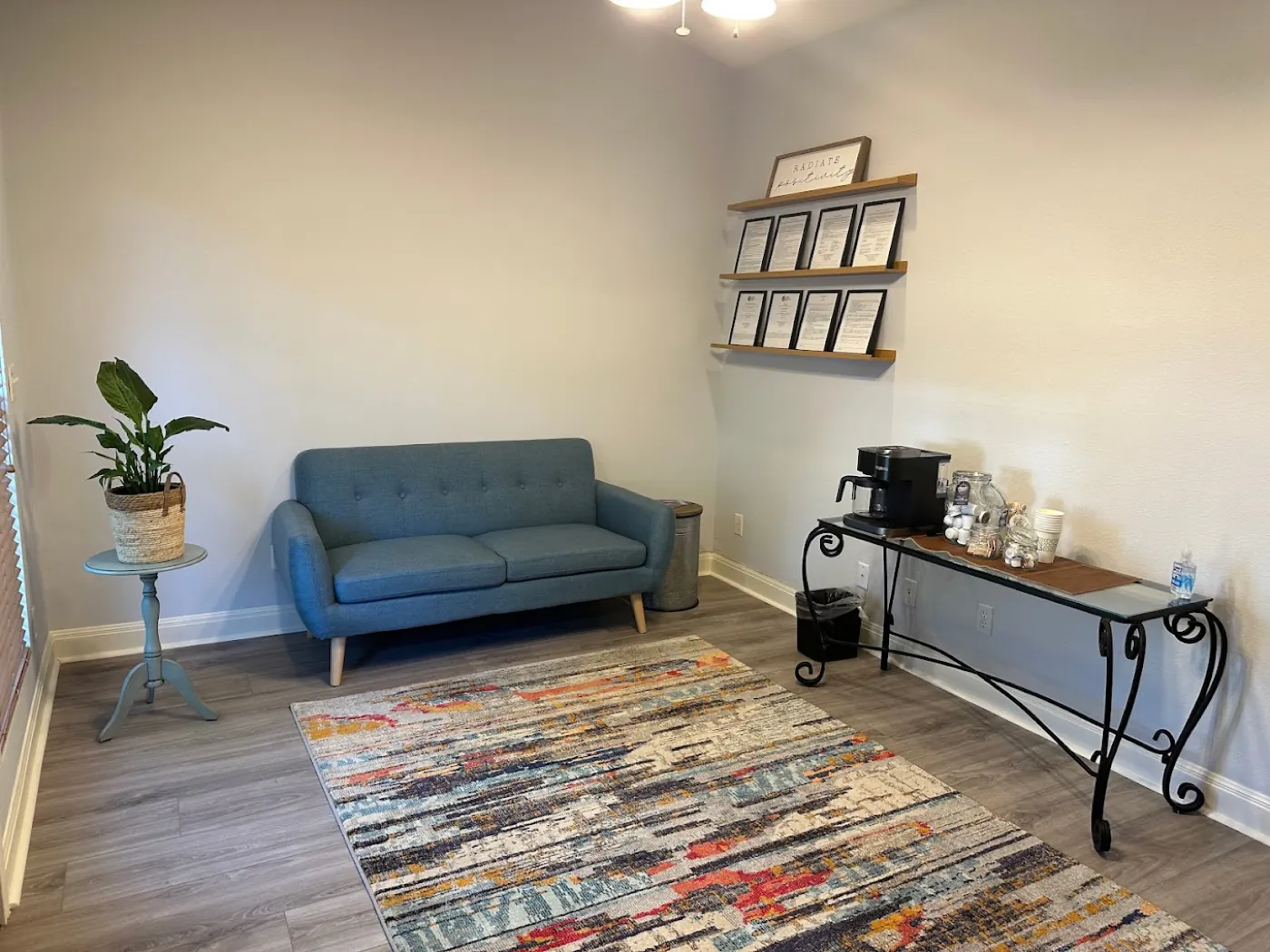

Treatment lounge at Positive Recovery Centers

7-OH is Not Kratom. It is a Concentrated Drug.

7-hydroxymitragynine sold as tablets, gummies, or shots is not the same as drinking kratom tea. It is a concentrated metabolite hundreds of times more potent at the mu-opioid receptor than mitragynine. Tolerance builds in days. Withdrawal can rival short-acting opioids and last weeks to months.

If you are using a 7-OH product daily and have tried to stop, you are dealing with an opioid use disorder. That is treatable. Call 713-904-4699 for a confidential medical assessment.

Recognizing the Problem

Signs of Kratom Addiction

Because kratom is sold over the counter at gas stations, smoke shops, and online, the signs often hide longer than they would with a prescription opioid. Watch for the following.

Physical Signs

  • Constricted "pinpoint" pupils after high doses, dilated when withdrawing
  • Nausea, vomiting, constipation
  • Sweating, chills, runny nose between doses
  • Itching, especially face and arms
  • Muscle aches and restless legs when a dose is missed
  • Liver-related symptoms (yellowing of skin or eyes, dark urine)

Behavioral Signs

  • Daily or multiple-times-daily dosing on a strict schedule
  • Buying in bulk at smoke shops or online
  • Stockpiling 7-OH shots in cars, drawers, work bags
  • Anxiety or irritability when supply runs low
  • Defending kratom as "natural" or "not a real drug"
  • Hiding use from family or doctors

Life Impact

  • Cannot start the day without a dose
  • Money tied up in daily kratom or 7-OH habit
  • Failed attempts to quit or cut back
  • Worsening anxiety, depression, or sleep problems
  • ER visit, poison control call, or seizure
  • Tried to use kratom to come off another opioid and got stuck

Three or more of these is a clinical picture, not a habit. Treatment works.

The Science

What Kratom Does to Your Body and Brain

Kratom's pharmacology is what makes it sneak up on people. The same plant produces stimulant-like effects at low doses and opioid-like effects at higher doses. The brain adapts to whichever pattern you train it on. Tolerance, dependence, and withdrawal follow.

Opioid-Like Effects

Kratom's active compounds (mitragynine and 7-hydroxymitragynine) bind to the same brain receptors as opioids. At higher doses, kratom produces euphoria, sedation, and pain relief similar to prescription opioids, along with the same risk of physical dependence.

7-OH: The Emerging Threat

7-hydroxymitragynine is significantly more potent than standard kratom. It produces stronger opioid-like effects and more severe withdrawal. Poison control calls related to kratom and 7-OH surged to 192 in Texas alone by mid-2025.

Liver Damage

Cases of kratom-induced liver injury have been documented, including some requiring hospitalization. The lack of regulation means products may contain contaminants or inconsistent doses.

Withdrawal Reality

Despite marketing as a "natural" or "herbal" supplement, kratom withdrawal is real and can be severe, with symptoms nearly identical to opioid withdrawal. 7-OH withdrawal can last significantly longer, potentially up to three months.

Progression

How Kratom Use Becomes Addiction

Almost no one starts kratom planning to take it every few hours. The progression follows a predictable arc.

1

Self-Medication

Used for energy, focus, anxiety relief, chronic pain, or to come off another opioid. Dose feels controlled. Effects feel manageable.

2

Tolerance

Old dose stops working. Switch to extracts or 7-OH for stronger effect. Dosing becomes scheduled, not occasional. Money spent climbs.

3

Dependence

Body needs kratom to feel normal. Missing a dose triggers withdrawal. Anxiety, sweating, runny nose between doses. Quitting on your own keeps failing.

4

Crisis

ER visit, poison-control call, seizure, liver injury, lost job, or relationship damage. The story everyone says is "I never thought it would do this."

First Step

What Happens When You Call Us

When you call, you talk with a clinical admissions specialist who has had this conversation many times before. There is no script and no pressure.

STEP 1

Confidential Call

15-20 minute conversation. We learn what you are using, how often, what has been tried, what is going on at home and at work. No judgment.

STEP 2

Insurance Check

We verify your benefits at no cost and tell you exactly what is covered before you commit. Most major plans accepted.

STEP 3

Clinical Plan

Our medical team recommends a level of care: medical detox, residential, PHP, or IOP. The plan accounts for 7-OH if it is part of the picture.

STEP 4

Same-Day Admission

Most patients can start treatment the same day they call. Detox beds across our Texas campuses. Outpatient programs at 17 locations.

What to Expect

Kratom Withdrawal Timeline

Withdrawal can be dangerous without medical supervision. Our medical team monitors you 24/7 and provides medication to keep you safe and comfortable.

6-12 hrs

Onset

Anxiety, muscle aches, runny nose, sweating, irritability. Onset is similar to opioid withdrawal.

1-3 days

Peak

Muscle pain, nausea, diarrhea, insomnia, depression, intense cravings. 7-OH withdrawal may be more severe and prolonged.

4-7 days

Subsiding

Physical symptoms begin to ease. Fatigue and psychological symptoms persist. Medication management helps.

Weeks-Months

Extended (7-OH)

7-OH withdrawal can produce protracted symptoms lasting up to 3 months. Ongoing clinical support is important.

Your Treatment Path

Treatment Options at Positive Recovery

Every person's path to recovery is different. We offer a full continuum of care so you get the right level of support at every stage.

Evidence-Based Care

Therapies We Use for Kratom Addiction

Because kratom acts on opioid receptors, treatment closely mirrors opioid use disorder care. The Positive Recovery curriculum and positive psychology framework run alongside.

Cognitive Behavioral Therapy (CBT)

Identifies the thought patterns that drive dosing schedules and the "I'll just take one more" loop. Replaces them with skills you actually use between groups.

Medication-Assisted Treatment

Buprenorphine is used off-label to stabilize the opioid system during kratom and 7-OH detox. Significantly reduces withdrawal severity and relapse risk for daily users.

Motivational Interviewing

Especially useful when you started kratom for a real reason (pain, anxiety, or to come off opioids) and quitting feels like losing something that worked.

Group Therapy

Daily groups built around the Positive Recovery curriculum. Connection with people who have walked the same road. Accountability that does not feel like punishment.

Trauma-Informed Care

Many kratom users started self-medicating around trauma, chronic pain, or anxiety that never got properly treated. We address the root, not just the substance.

Family Therapy

Kratom dependence often hides in plain sight at home. We help families understand what they are dealing with and how to support recovery without enabling.

Co-Occurring Conditions

Kratom and Mental Health

Most people who develop a kratom problem are treating something else with it. We screen for and treat both, in the same program, at the same time.

Common patterns we see with kratom and 7-OH use:

  • Opioid Use Disorder. Many kratom users started kratom trying to come off prescription opioids or heroin. Treating one without the other rarely holds.
  • Chronic Pain. Real pain that needs real treatment. Our medical team coordinates non-opioid pain management as part of recovery.
  • Anxiety Disorders. Kratom often gets used as a self-prescribed anxiolytic. We treat the anxiety properly so the substitute is not needed.
  • Depression. Long-term kratom use disrupts mood regulation. Depression often surfaces in detox and needs clinical attention, not toughing out.
  • ADHD. Some users start kratom for low-dose stimulant effects and slip into the opioid-dose pattern. ADHD that is real should be treated, not self-medicated.
Dr. Jason Powers, Chief Medical Officer at Positive Recovery Centers

For Loved Ones

If Someone You Love Is Using Kratom

Kratom hides better than most addictions because it is sold in gas stations and marketed as a supplement. Here is what tends to help.

Take It Seriously

Do not let "it's just a supplement" or "it's natural" close the conversation. Daily kratom or 7-OH use is opioid dependence. The medical reality does not care about the marketing.

Talk to a Clinician First

Call us before the conversation, not after. We can coach you through how to bring it up, what to expect, and how to have detox ready if your loved one says yes.

Be Ready to Move Fast

Kratom withdrawal can drive relapse within 24-48 hours. If your loved one agrees to treatment, that window is real. Same-day admission is possible at our Texas campuses.

FAQ

Common Questions About Kratom Treatment

Yes. Kratom is legal in Texas at the state level, though some cities have restrictions and the FDA has issued repeated warnings. Legal does not mean safe. Kratom acts on opioid receptors, produces real physical dependence, and has been linked to liver injury, seizures, and overdose deaths, particularly when combined with other substances or used in concentrated 7-OH form.

7-hydroxymitragynine (7-OH) is a metabolite of kratom that has been concentrated and sold as a separate product in shots, tablets, and gummies. It is significantly more potent at opioid receptors than mitragynine, the main alkaloid in standard kratom. 7-OH products produce stronger euphoria, faster tolerance, and more severe withdrawal. Texas poison control calls related to kratom and 7-OH surged through 2025.

Kratom withdrawal closely resembles opioid withdrawal: anxiety, muscle pain, runny nose, sweating, nausea, diarrhea, insomnia, restless legs, and intense cravings. While not typically life-threatening on its own, withdrawal can be severe enough to drive relapse and is medically managed safely with the same protocols used for opioid detox. 7-OH withdrawal can be more prolonged.

Heavy daily users, anyone using 7-OH, anyone with co-occurring conditions, and anyone with a history of relapse should detox under medical supervision. Medications and supportive care make withdrawal safer and dramatically reduce relapse risk. Self-detox often fails because the cravings and protracted symptoms wear people down within days or weeks.

Most major insurance plans cover medical detox and substance use treatment, including for kratom. Our admissions team verifies your benefits at no cost and explains exactly what is covered. We accept most major commercial insurance plans across our 20 Texas locations.

Because kratom acts on opioid receptors, treatment closely resembles opioid use disorder care: medical detox to manage withdrawal, evidence-based therapy (CBT, motivational interviewing, group therapy), our Positive Recovery curriculum, and in many cases medication-assisted treatment using buprenorphine off-label to stabilize the opioid system. Most patients step down through PHP or IOP after detox.

Dr. Jason Z.W. Powers, Chief Medical Officer

A Different Approach

Why Positive Psychology Works

At Positive Recovery, we believe addiction develops when happiness is pursued ineffectively, and recovery takes place when people pursue happiness the right way.

Our approach goes beyond addressing what's wrong. We help you cultivate positive emotions, meaningful relationships, engagement, and purpose so that a sober life is more rewarding than kratom ever was.

Learn About Our Approach
Logos of major insurance plans accepted at Positive Recovery Centers

Insurance or Self-Pay, We'll Work With You

Our team verifies your benefits at no cost.

Check Coverage Self-Pay

We Also Treat

Other Substances

Alcohol Opioid Fentanyl Heroin Benzodiazepines Cocaine Meth Prescription Drugs Adderall / Stimulants
Clinical Sources & References
  • National Institute on Drug Abuse (NIDA). "Kratom DrugFacts." nida.nih.gov
  • U.S. Food and Drug Administration (FDA). "FDA and Kratom." fda.gov
  • Substance Abuse and Mental Health Services Administration (SAMHSA). National Helpline data on plant-based opioid use disorders. samhsa.gov
  • American Society of Addiction Medicine (ASAM). The ASAM Criteria, Fourth Edition. asam.org
  • Centers for Disease Control and Prevention (CDC). "Notes from the Field: Unintentional Drug Overdose Deaths with Kratom Detected." cdc.gov
  • Diagnostic and Statistical Manual of Mental Disorders, Fifth Edition, Text Revision (DSM-5-TR). American Psychiatric Association. psychiatry.org
  • Texas Poison Center Network. Annual exposure data, 2024-2025. poisontx.com
  • Henningfield JE, et al. "Kratom and 7-hydroxymitragynine: pharmacology, abuse potential, and clinical implications." Peer-reviewed pharmacology literature, 2023-2025.

This page is medically reviewed by Dr. Jason Z.W. Powers, MD, MAPP, Chief Medical Officer of Positive Recovery Centers. Content is for informational purposes only and does not replace personalized medical advice. If you are in crisis, call 988 or 911.

Where We Treat

Treatment Locations Across Texas

We treat kratom addiction across Texas. Start at our Houston treatment locations, our Dallas-Fort Worth treatment locations, or our Austin and Hill Country treatment locations, or browse all 20+ Positive Recovery locations to find the clinic closest to you.

You Don't Have to Fight This Alone

Call now for a confidential consultation. Our admissions team is available 24/7.

Call 713-904-4699 Verify Insurance