If you found yourself reading this blog post, then you've come to the right place. No matter what place in life you've found yourself in, whether you're researching common signs of alcohol abuse for a loved one or questioning if you yourself may have an alcohol problem, we are here for you.
Recognizing that your relationship with alcohol may be changing can bring up a lot of emotions. You may feel confused, defensive, embarrassed, worried, or even unsure whether what you're experiencing is "serious enough" to ask for help. The truth is, you don't have to wait until alcohol has completely taken over your life before taking a closer look at your relationship with it.
While this isn't a comprehensive list and everyone's experience with alcohol looks different, we're tackling five common signs you may have an alcohol problem.
1. Lying About How Much You Drink or Hiding Bottles
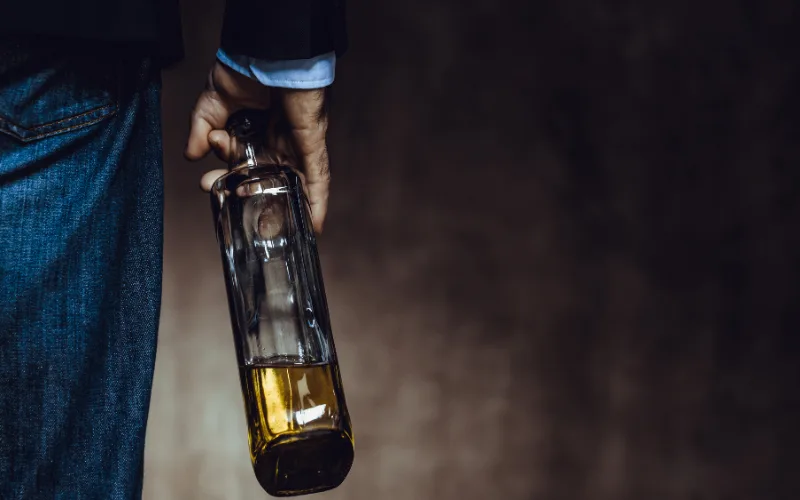
If you have begun drinking after work before you come home so your family doesn't question if you've been drinking, this is a common sign you have an alcohol problem. Maybe you've started hiding empty bottles in places your loved one may not think to look. Or maybe you've started lying about how much you're actually drinking when you're out with friends.
Secrecy around alcohol can begin subtly. You may tell yourself you're simply avoiding an argument or that no one needs to know exactly how much you had. However, when hiding, minimizing, or lying about your drinking becomes a pattern, it can be worth asking yourself why you feel the need to keep it hidden in the first place.
Sometimes, that realization can be uncomfortable. However, noticing the behavior is not a reason to feel ashamed. It can be an opportunity to pause, become more honest with yourself, and consider whether alcohol is beginning to have more control over your choices than you would like.
2. Having to Drink More to Get the Same Effect
A glass of red wine on the weekends slowly becomes multiple glasses at dinner each night. The one or two drinks that once helped you relax may no longer seem to have the same effect, leading you to drink more to reach the feeling you're looking for.
Over time, the body can develop a tolerance to alcohol. This means you may need larger amounts to experience the same effects you once felt after drinking much less. You may not even notice the change right away because it can happen gradually.
Think back to what drinking looked like for you six months ago, a year ago, or even several years ago. Has the amount increased? Are your drinks stronger? Are you drinking more frequently than you used to? An increasing tolerance alone doesn't tell the whole story, but when combined with other changes, it may be a sign that an alcohol problem is developing.
3. Feeling Like You Have to Drink Alcohol at Every Social Gathering
It always begins with just one drink. Just one drink with friends, just one drink at dinner, or just one drink while watching your favorite show. Slowly, one drink becomes another, and before you realize it, you may be several bottles or glasses deep, questioning how you even got there.
Social drinking is common, which can sometimes make it difficult to recognize when alcohol has shifted from something you occasionally enjoy to something you feel like you need. You may start wondering what the point of going out is if you can't drink, or you may find yourself avoiding events where alcohol won't be available.
Consider how you would feel attending a wedding, dinner, birthday party, sporting event, or weekend getaway without drinking. Would you still look forward to going, or would the absence of alcohol make you feel anxious, uncomfortable, or uninterested? When alcohol begins to feel necessary in order to relax, socialize, have fun, or feel comfortable around others, it may be time to take a closer look at the role it has begun to play in your life.
4. Strong, Frequent Alcohol Cravings
Is the urge to drink alcohol a constant in your life? Maybe you find yourself thinking about the drink you'll have when you get home while you're still at work. Perhaps you're planning when you can drink next, making sure there's alcohol in the house, or feeling distracted or irritated when you know you can't have it.
Cravings can be physical, emotional, or both. They may appear during stressful situations, after a difficult day, while celebrating something exciting, or simply because drinking has become part of your everyday routine.
It can also be helpful to pay attention to what happens when you try to ignore the urge. If thoughts about alcohol are difficult to push aside, interfere with your responsibilities, or regularly influence your decisions, those cravings may be telling you something important about your relationship with alcohol.
5. Your Relationships Have Started to Notice Changes in Your Mood and Behavior
Has your spouse brought up significant changes in your mood or behavior while drinking? Have your children begun noticing that their parent seems different lately? Or has a coworker, friend, or family member asked if you're doing okay or if you need support?
We may not always recognize these changes in ourselves at first. Sometimes, the people closest to us notice that we have an alcohol problem before we are ready or able to see it ourselves.
You may become more irritable, withdrawn, emotional, forgetful, unpredictable, or distant. Maybe arguments are happening more frequently. Perhaps you've said or done things while drinking that you regret the next morning. You might even find yourself becoming defensive whenever someone brings up your drinking.
It can be easy to dismiss the concerns of the people around you, especially if you don't believe your drinking is affecting anyone else. However, if multiple people you trust are noticing similar changes, it may be worth hearing what they have to say. It's important to recognize that their concern may not be about judging you; rather, it may simply come from loving you and recognizing that something has changed.
Bonus: You No Longer Feel Like You Without Alcohol
Maybe you found this blog post because you're questioning your relationship with alcohol and starting to feel yourself slipping away, almost as if you're no longer "you" without the presence of alcohol.
You may notice that the things you once enjoyed don't feel as exciting anymore. Your hobbies have fallen to the side. Your relationships feel different. You may struggle to relax, laugh, celebrate, socialize, or cope with difficult emotions without having a drink nearby.
Sometimes an alcohol problem isn't first recognized through one major crisis. Instead, it can feel like slowly losing pieces of yourself. You may remember a version of yourself who felt more present, hopeful, connected, motivated, or confident and wonder where that person went.
That person is still there.
Recovery isn't about becoming someone completely different. For many people, it is about rediscovering parts of themselves that alcohol slowly pushed into the background and creating space for something more meaningful to take its place.
Think You May Have an Alcohol Problem? We Are Here for You
If you recognized yourself in one or several of these signs, you may be wondering what happens next.
First, know that questioning your relationship with alcohol does not mean you need to have everything figured out today. It simply means you're paying attention. And sometimes, acknowledging that something may need to change is one of the most important steps you can take.
An alcohol problem can look different from one person to another. You don't have to reach a certain "rock bottom," lose everything, or experience a life-changing consequence before you deserve support. If alcohol is affecting your relationships, responsibilities, mental well-being, physical health, or ability to feel like yourself, it is okay to ask for help now.
At Positive Recovery Centers, we believe recovery is about much more than simply removing alcohol from your life. It is about helping you build a life filled with meaning, connection, purpose, and hope.
Through individualized treatment and compassionate support, our team works with you to understand what brought you here, what you need moving forward, and what flourishing in recovery can look like for you. If you suspect you or a loved one may have an alcohol problem, we are here to support you. Call 713-904-4699 any time to talk with a recovery specialist, or learn more about our addiction recovery services.