When it comes to addiction, it is important to remember that it is a family disease. When one person in the family struggles with addiction, it impacts everyone. The turmoil, pain, and confusion it brings ripple through every relationship, leaving no parent, sibling, or spouse unmarked. There is good news: families can and do heal together. In fact, familial support can increase the chances of your loved one's long-term sobriety.
If you have a loved one who is struggling with addiction, you may find yourself asking, "How can I navigate this without falling into the trap of enabling?" The importance of family involvement in the recovery process cannot be overstated.
Get to Know Our Hosts
In this podcast discussion, Julie DeNofa, President of Positive Recovery Centers, and Colleen Hargrove, LCDC, Outpatient Manager at PRC Round Rock, discuss the various family roles in addiction and how to support your loved ones on their journey to recovery. As they explore the delicate balance between providing support for recovery and enabling addiction, Julie and Colleen offer practical tips and real-life examples of families who have successfully navigated this path.
Family involvement can look different depending on the family dynamic. Given the variety of ways families can support their loved ones, one thing is for sure: when families are actively engaged in recovery, they help foster an environment of accountability, understanding, and shared commitment, which can significantly enhance the chances of long-term sobriety.
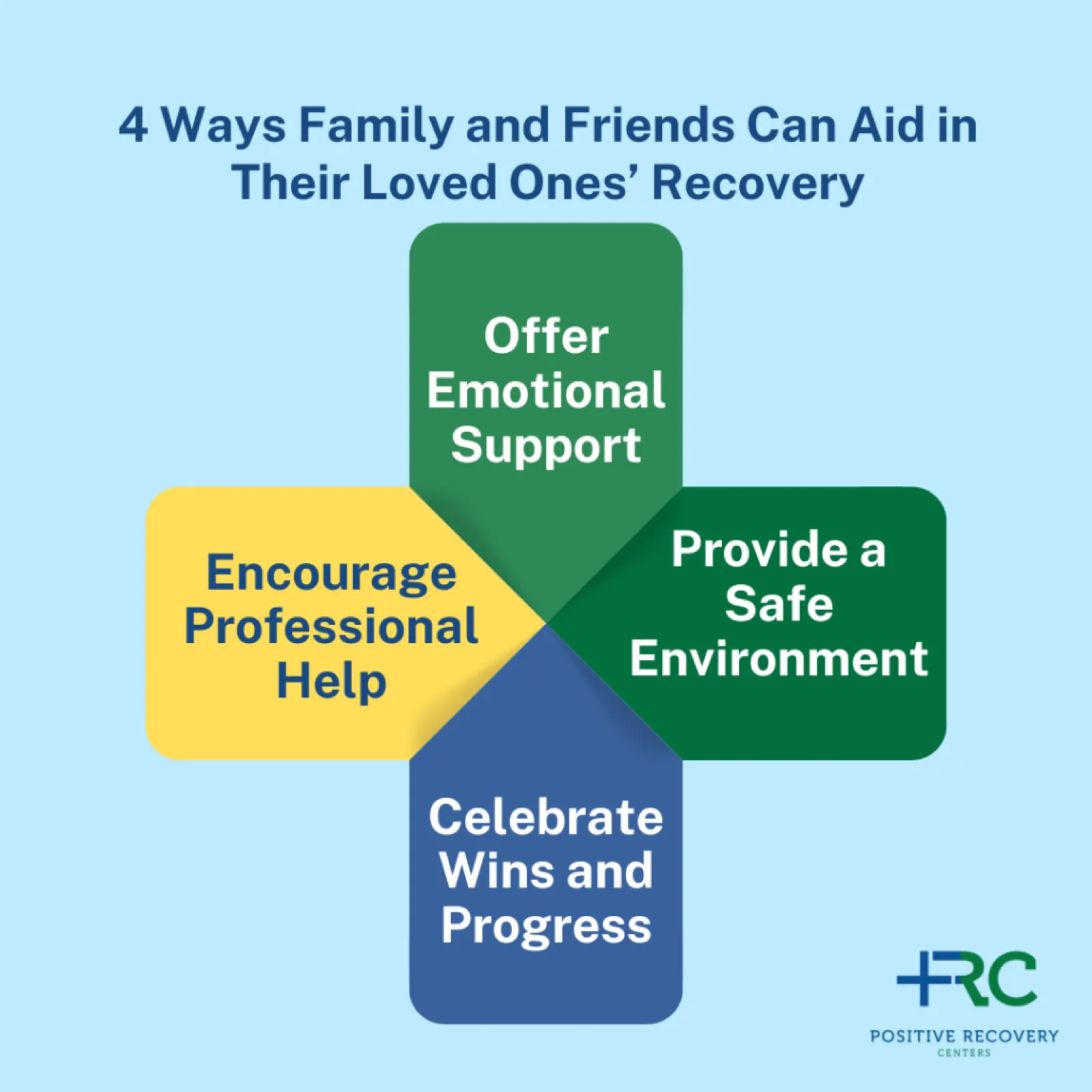
Emotional Support: Being There for Your Loved One
Emotional support means being present, listening without judgment, and offering a shoulder to lean on during challenging times. Addiction recovery is a rollercoaster of emotions, one that covers a multitude of thoughts and feelings. Your loved one may experience moments of doubt or fear of the unknown. They may even feel frustrated when daily activities become challenging or if they are faced with making hard decisions.
There will be other times when your loved one will experience moments of relief and excitement over new opportunities in recovery. They may even surprise you with their grit, resilience, and dedication to enduring demanding tasks. All of these emotions are normal parts of daily life and can be significantly heightened after overcoming addiction. Being emotionally available when they need advice or even understanding and care when they just need someone to listen can help them feel less isolated and more connected.
Providing a Safe Environment for Recovery
Creating a safe, stable environment is another critical component of familial support. If your loved one is living with you, removing triggers that could lead to relapse, such as alcohol, drugs, or even specific stressors that could overwhelm your loved one, is a great start. Like extending emotional support, providing a safe environment means fostering a home atmosphere where your loved one feels secure.
Two of the most important aspects of providing a safe environment are establishing clear boundaries and maintaining open lines of communication. By creating a trusting environment, you can set clear expectations from the start. As your loved one navigates their new life in recovery, it may take some extra time for them to re-learn how to establish healthy relationships. With this understanding, patience can go a long way.
Want to Be Part of the Recovery Process?
Our family workshops give loved ones the language, boundaries, and education needed to support recovery without burning out. Call to learn more.
Encourage Professional Help for Long-Term Success
While your emotional support and safe environment are invaluable, professional help is a cornerstone of successful recovery. Encouraging your loved one to seek or continue with professional treatment can make a significant difference. This might involve helping them find a therapist, attending family counseling sessions alongside them, or encouraging them as they participate in group therapy or outpatient programs.
Professional help provides your loved one with the tools and strategies they need to manage their addiction, and your encouragement can help them stay on track. Offering gentle guidance allows them not to feel pressure but to be at ease with discovering and continuing the right recovery plan for them.
Celebrating Wins and Recognizing Forward Progress
Recovery can be a long and challenging journey, so it is important to celebrate even the smallest victories along the way. Acknowledging your loved one's progress, whether they are starting today and making the active choice to stay sober or dedicating an entire year without substances, reinforces their efforts and boosts their confidence. While recovery is not about striving for perfection, it is about documenting the progress being made along the way.
Are you curious about how you can celebrate your loved one's recovery journey? It can be a simple acknowledgment via text message or handwritten card sharing how much growth you have witnessed over a specific period of time. You can invite them to a special dinner, make their favorite meal, and invite a few close friends for their "soberversary." You can also throw a big celebration in honor of their dedication and resilience. Any milestone is worth celebrating.
Loved This Conversation? Hear More Like It
If you want to learn more about how addiction affects the entire family and how to offer familial support, listen to the full Positive Recovery MD podcast wherever you stream your favorite shows. Or call us at 713-904-4699 to talk with our team about family programming.