Who We Help · College Students

College Student Addiction Treatment in Texas

Campus normalizes a lot: the binge weekends, the study drugs, the idea that everyone is doing it. For some students it stays in the background. For others it quietly takes over the grades, the health, and the reason they came to school. Getting help does not have to mean dropping out.
Call Now: 713-904-4699 Verify Insurance
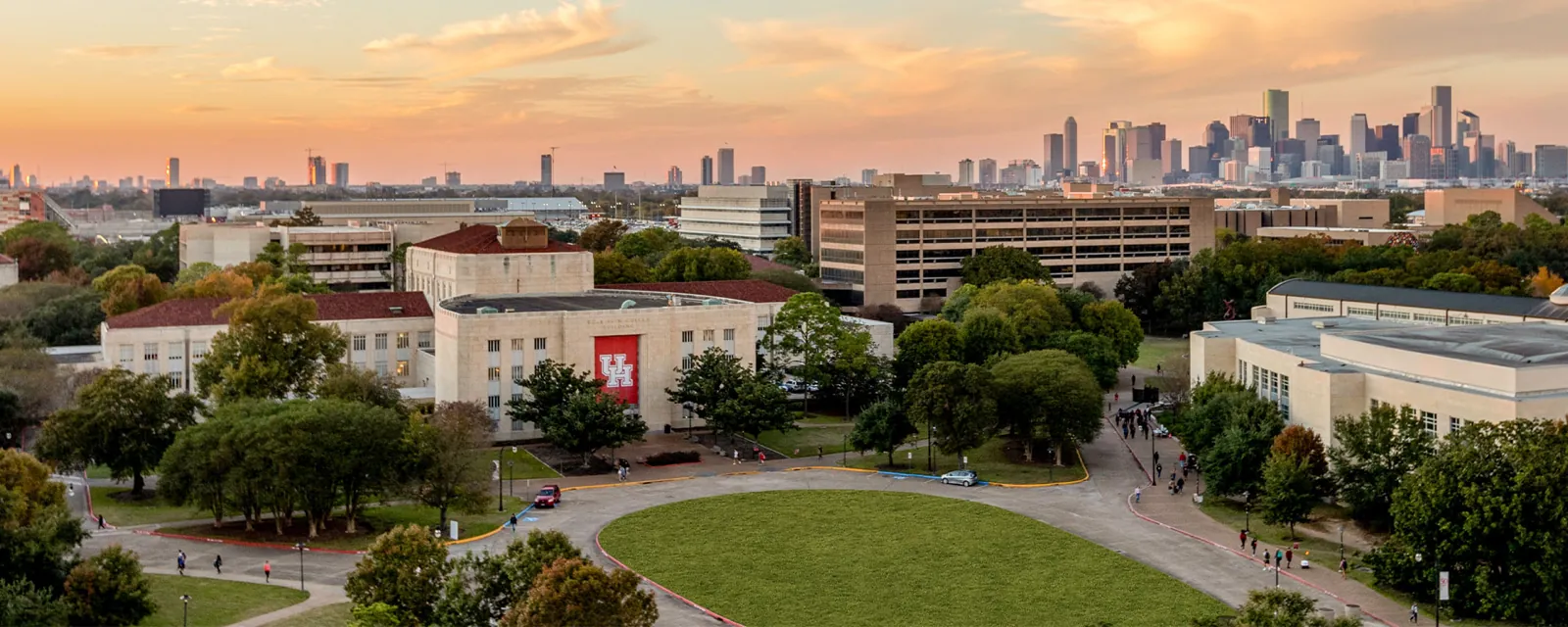
College campus with the Houston skyline at sunset
20+ Texas Locations Houston · Austin · DFW
Joint Commission Gold Seal of Approval
Joint Commission Gold Seal Accredited
24/7 Confidential Care Admissions any time, day or night

Does Any of This Sound Familiar?

What students and parents tell us.

"Everyone drinks like this here. I just can't seem to stop when they do."

"His grades fell off a cliff and he won't tell us what's going on."

"I started taking Adderall to study. Now I can't focus on anything without it."

"She's anxious all the time and the only thing that quiets it is using."

A High-Risk Environment

College Hides a Problem in Plain Sight

No other environment normalizes heavy substance use the way a college campus does. When everyone around you is doing it, a real problem looks like a normal semester.

Binge drinking is woven into campus social life. Stimulants like Adderall get passed around as study tools. Cannabis is constant, and counterfeit pills are a phone tap away. For a brain still developing into the mid-twenties, all of it lands harder and hooks faster than it would later in life.

Underneath much of it is the campus mental health crisis: anxiety, depression, and burnout that students quietly self-medicate. Treat the substance alone and the reason for it is still sitting in the dorm room. That is why dual diagnosis care for the anxiety, depression, or ADHD underneath is built into every level of treatment at Positive Recovery.

The good news is that catching it during college, before it derails a degree or a decade, is one of the best times to get ahead of it.

What We See Most on Campus

  • Binge drinking that crossed from social into compulsive
  • Study drugs — Adderall and other stimulants taken without a prescription
  • Daily cannabis that quietly replaced motivation and sleep
  • Counterfeit pills bought through social media, a leading overdose risk
  • Anxiety and depression being self-medicated instead of treated

Help Without Dropping Out

Treatment Built Around the Academic Calendar

Getting help should not cost a student their degree. Most start at a level of care that fits around classes, and step up only if they need to, with a plan to protect their enrollment.

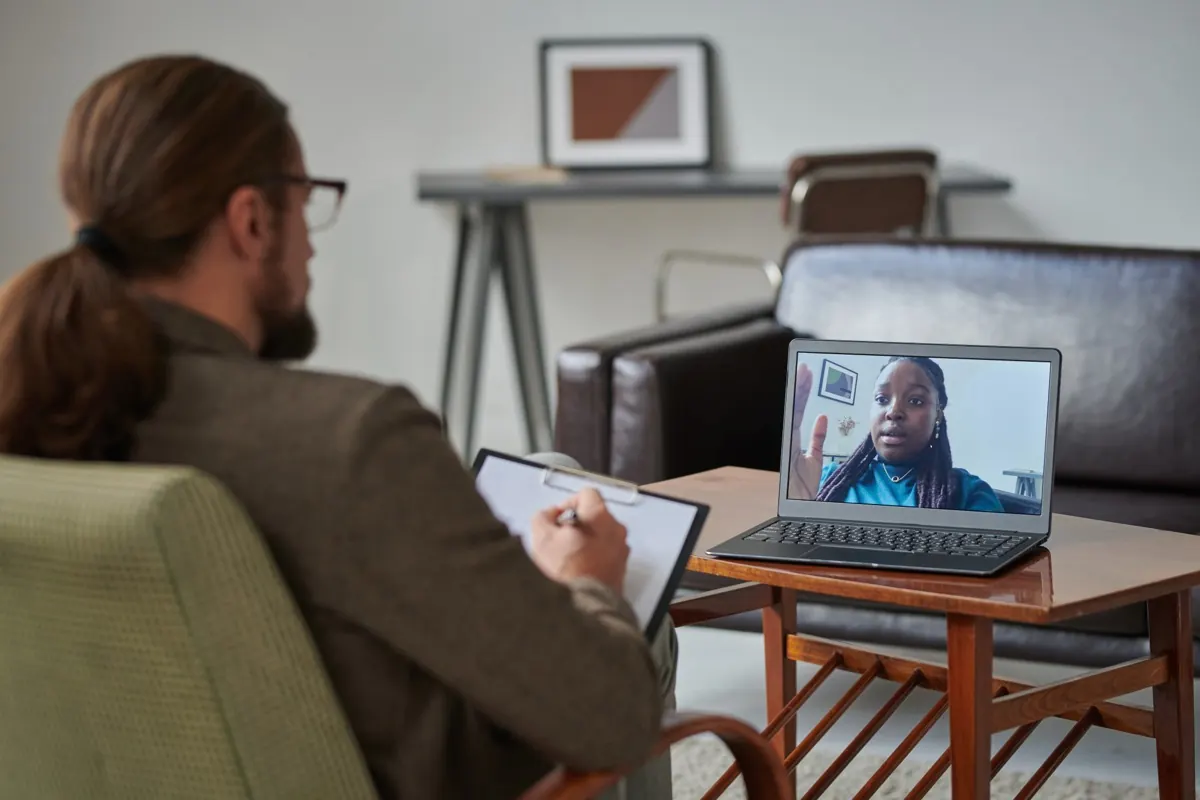
Online treatment that lets college students stay enrolled at Positive Recovery
  • Online Treatment

    A full outpatient program by secure video. A student can stay enrolled, keep attending classes, and get real treatment between them.

  • Intensive Outpatient (IOP)

    Therapy a few days a week, scheduled around a course load, for students who want structure without leaving campus life behind.

  • Residential & Medical Leave

    When a full reset is the right call, a medical leave of absence can make room for residential care, with a planned return to campus afterward.

  • Aftercare & Continued Support

    Staying sober on a campus full of triggers is its own challenge. Aftercare keeps support in place once a student is back in the routine.

Privacy & Academic Standing

Getting Help Without Risking the Degree

The fear of academic or social fallout keeps a lot of students stuck. Here is how the protections actually work.

Private by Law

Treatment is protected by HIPAA and 42 CFR Part 2. We do not report to a school, and for a student over 18, nothing is shared with parents without their consent. It is a health decision, kept private.

Medical Leave Options

Most colleges have a medical leave or withdrawal process that protects a student's standing during treatment and allows a clean return. The dean of students or registrar can walk through the specific policy.

A Planned Return

Treatment is not the end of college. We help time care around the academic calendar and build the aftercare that makes going back to campus sustainable.

Why Our Model Fits

Positive Psychology Meets Students Where They Are

A program built on shame and rock bottom rarely connects with a twenty-year-old who still has most of their life ahead of them. Positive Recovery is the world's first Joint Commission-accredited program to combine positive psychology with proven, evidence-based addiction treatment.

Instead of organizing recovery around failure, it builds on strengths, values, and the future a student is actually working toward. For someone in the middle of figuring out who they are, that turns recovery into part of the plan, not a detour from it.

How Positive Psychology Works
Positive Recovery Commitment Program

Our Commitment to You

We Stand Behind Your Recovery

Complete the treatment program and follow discharge recommendations. If a relapse happens within a year, return once for stabilization at no additional cost.*

Learn About Our Commitment Program

Common Questions

What Students and Parents Ask First

Often, yes. Online treatment and intensive outpatient programs are built to fit around a class schedule, so many students keep attending while they get help. When a higher level of care is needed first, we help plan the timing around the academic calendar so as little as possible is lost.

Most colleges have a medical leave or withdrawal process that protects a student's standing while they step away for treatment, then return. If detox or residential care is the right starting point, a medical leave can make space for it without ending the degree. Your student's dean of students or registrar can explain the school's specific policy.

It can be. Taking a stimulant that was not prescribed to you, or taking more than prescribed to study or stay up, is misuse, and it can become a stimulant use disorder. Tolerance builds, the crashes get worse, and many students find they cannot function or focus without it. That is exactly the pattern treatment addresses.

Medical treatment for substance use is protected by federal privacy law (HIPAA and 42 CFR Part 2). We do not report to a school, and for a student over 18, information is not shared with parents without the student's consent. Getting treatment is a private health decision.

That worry is justified. Counterfeit pills sold as Xanax, Percocet, or Adderall are common on and around campuses and are often laced with illicit fentanyl, which can be deadly in a single dose. If a student is buying any pill outside a pharmacy, treat it as urgent and call us right away.

Where to Go Next

Related Programs & Pages

More Ways We Help

Working Professionals Legal Professionals Young Adults Family Support College Students

Getting Help Now Can Save the Semester

Whether you are the student or the parent watching from a distance, one confidential call is the right first step. No obligation, available 24/7.

Call 713-904-4699 Verify Insurance