The Term, Defined
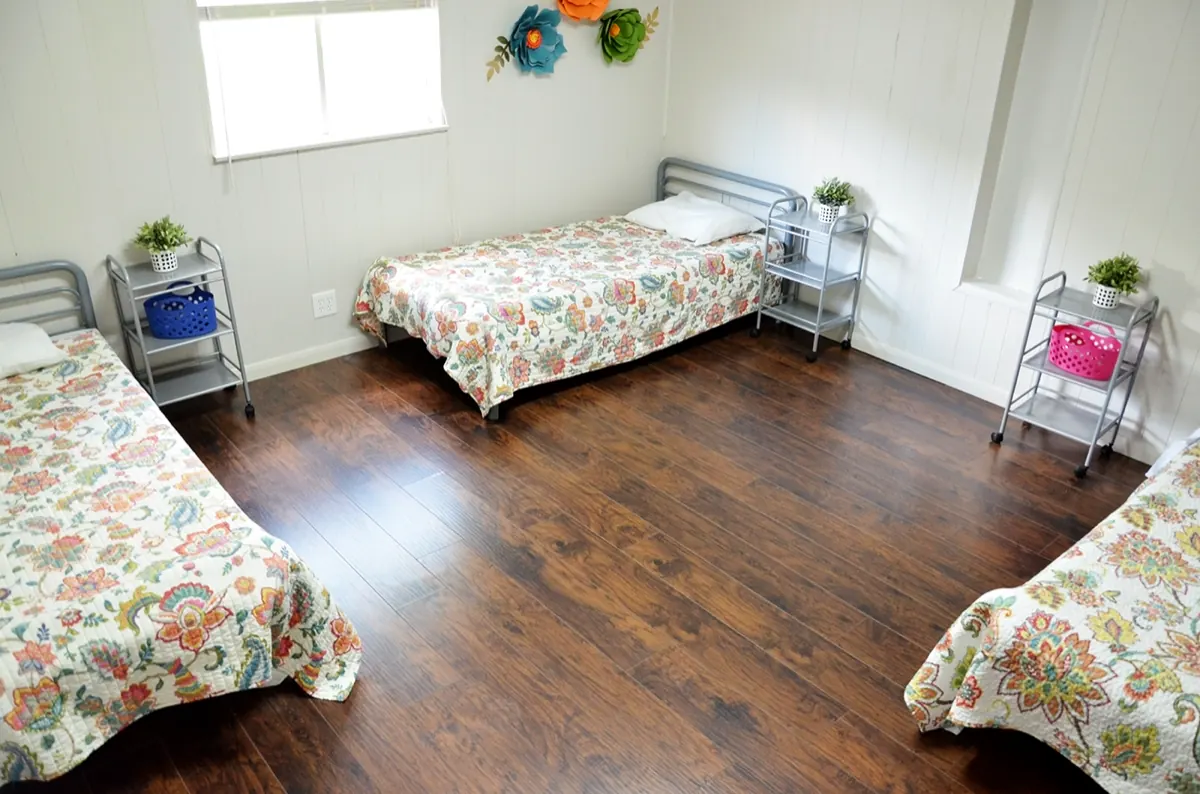
Inpatient care is the umbrella for the two 24/7 levels of treatment at Positive Recovery: medical detox and residential treatment. You live on a treatment campus with a clinical team around the clock instead of traveling in for sessions.
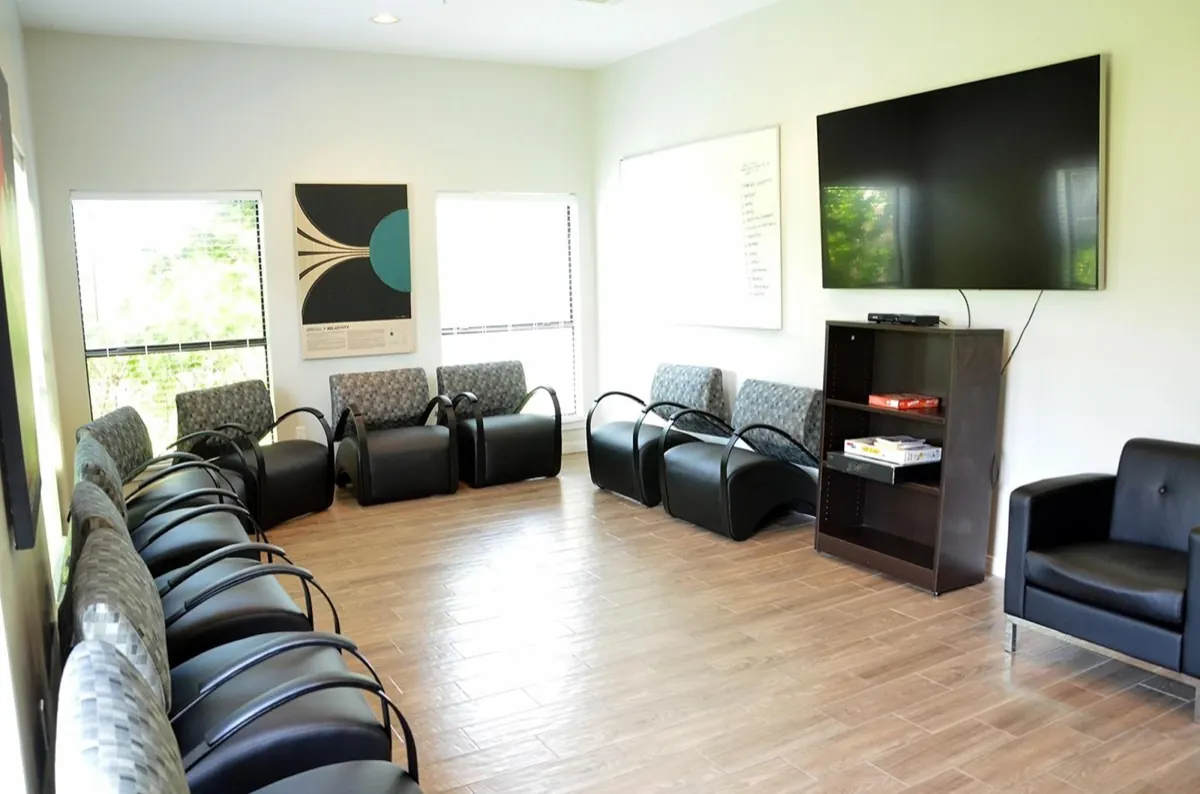
It is the most immersive tier of addiction treatment. You step out of the people, places, and routines tied to using, into an environment built entirely around getting well. The day has structure: medical care, individual and group therapy, the Positive Recovery curriculum, meals, rest, and time to start feeling like yourself again.
For most people, the two levels flow together as one continuous stay. First, medical detox brings you off substances safely under supervision, usually over four to six days. Then residential treatment begins, where the real work of recovery happens now that the body is stable. Mental health care for the anxiety, depression, or trauma underneath is built into both, because treating addiction without it is the most common reason recovery does not last.
Inpatient care is a starting point in a longer recovery. It gives you a strong footing for the next steps, day treatment and outpatient care.
Not sure? A free, confidential assessment will tell you which level of care fits.
How Inpatient Care Works
Inpatient care moves you from stabilizing the body to rebuilding the life, without changing providers in between.
Phase 1
Safe, monitored withdrawal with 24/7 medical supervision and medication to manage symptoms. The first step when the body is physically dependent, so the rest of treatment can begin from a stable place.
About Medical DetoxPhase 2
Full-time therapy, the Positive Recovery curriculum, and dual diagnosis care in a structured residential setting. Where the real work of recovery happens once the body is stable.
About Residential Treatment
A Day Inside
Early recovery is easier inside a rhythm than inside a vacuum. Inpatient days are built so you always know what comes next, with the clinical work spaced around rest, meals, and connection.
Where You'll Stay
Inpatient care is offered at our three residential campuses. Outpatient step-down is available at 20+ locations statewide.
Our flagship Houston residential campus, close to the heart of the city.
Houston RehabA residential campus in the Texas Hill Country near Austin, built for focus and calm.
Hill Country RehabResidential care serving the DFW metroplex and North Texas.
DFW RehabPaying for Treatment
Under federal parity law, most major plans must cover inpatient addiction treatment at parity with medical care. We verify your benefits at no cost and tell you what to expect before you arrive.
Out-of-network or prefer to keep treatment off your insurance record? Inpatient care is available as private pay, and we'll walk you through the pricing clearly before you decide.
Our Commitment to You
Complete your treatment program and follow discharge recommendations. If you relapse within a year, return once for stabilization at no additional cost.*
Learn About Our Commitment ProgramCommon Questions
Inpatient (residential) rehab means you live at a treatment campus and receive 24/7 care, including overnight supervision. Outpatient care means you live at home and attend treatment sessions during the day or evening. Inpatient is the right starting point when the body needs medical detox, when home is not a stable place to recover, or when round-the-clock structure is what makes early recovery possible.
Length of stay depends on the person, the substance, and how treatment is progressing. Medical detox often runs several days, and residential stays commonly range from a couple of weeks to 30 days or more. Your care team sets the plan with you and adjusts it as you stabilize, then steps you down to PHP, IOP, or outpatient care.
Yes. For many people, medical detox is the first phase of inpatient care. You are monitored 24/7 and given medication and supportive care to manage withdrawal safely before residential treatment begins. Detox alone is not treatment, which is why it flows directly into the rest of the inpatient program.
Most major insurance plans cover inpatient addiction treatment at parity with medical care under federal law. Our admissions team verifies your benefits at no cost and explains exactly what is covered before you arrive. Private pay is also available.
Each campus has its own policy on personal items and device use, generally balancing your connection to loved ones with a focused, distraction-limited environment. Our admissions team gives you a full packing list and the current policy when you schedule your intake.
Where Inpatient Care Fits
The safe, supervised first phase of inpatient care for the body to come off substances.
Learn About DetoxThe core of inpatient care, where recovery is rebuilt once the body is stable.
Learn About ResidentialThe common step down from inpatient care, with day-treatment intensity.
Learn About PHPTalk to someone who understands about whether inpatient care is the right first step. Confidential, no obligation, available 24/7.